

If you’ve ever fancied yourself as a courier for a post-apocalyptic world, or just a fan of the slow, steady, and oddly compelling walking simulator genre, then Death Stranding 2 is here to fulfill your wildest (and weirdest) delivery dreams. It’s a game that doubles down on the original’s unique blend of exploration, stealth, and story, wrapped up in an atmosphere that feels equal parts Lord of the Rings epic trek and Metal Gear Solid sneaky sneaky.
The Story: Cryptic, Emotional, and Deeply Personal
Picking up from where the first game left off, Death Stranding 2 weaves a narrative as dense and cryptic as a Tolkien riddle. You’re thrown into a fractured world where the boundary between life and death is blurred by the titular “Death Stranding” event, and your job—well, it’s more than a job—is to reconnect isolated communities by delivering packages that are often more metaphorical than physical.
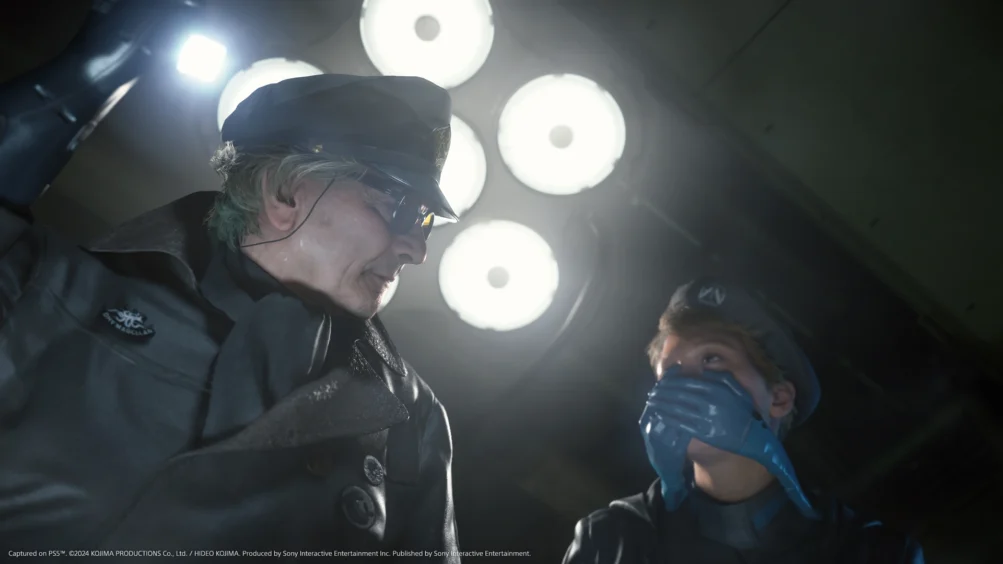
This time around, the story feels even more intimate, with a sharper focus on the characters’ emotional journeys. You’ll meet a cast of eccentric, mysterious figures, each with their own baggage (both literal and figurative). The game probes deep themes of isolation, connection, and the burdens we carry—sometimes quite literally on our backs.
Gameplay: The Art of Walking, Running, Driving, and Sneaky Sneaky
At its core, Death Stranding 2 is a walking simulator — but don’t let that put you off. This isn’t aimless wandering; it’s an intense, methodical test of balance, stamina, and strategy. You walk, you run, you climb, you occasionally ride vehicles (think: your trusty Shadowfax, but with more rust and less speed), and you stealth your way past terrifying ghostly BTs that could ruin your day — or your entire delivery.
Cargo management is a game in itself. You’ll carefully balance weight, adjust posture, and plan routes with the precision of a seasoned logistics manager. One wrong move, and your packages spill, forcing frustrating resets. It’s repetitive, sure, but there’s a rewarding rhythm to it. Like a hobbit with a backpack full of doom, you learn the terrain, weather patterns, and best paths like second nature.
Vehicle handling adds variety but comes with its quirks. Sometimes it feels like riding a mule that refuses to listen when you want to turn, especially on rough terrain. But when the route’s clear, it’s a welcome break from all the foot slogging.
The stealth mechanics dial up the tension significantly. The BTs, or “Beached Things,” are eerie and unpredictable, turning even familiar terrain into a terrifying playground. You crouch, hold your breath, hide behind rocks, and sneak around like Solid Snake in his prime — except instead of enemy soldiers, you’re evading spectral horrors. The creeping dread here is real and often jolts you out of the monotony.
Visuals and Graphics: A Post-Apocalyptic Masterpiece
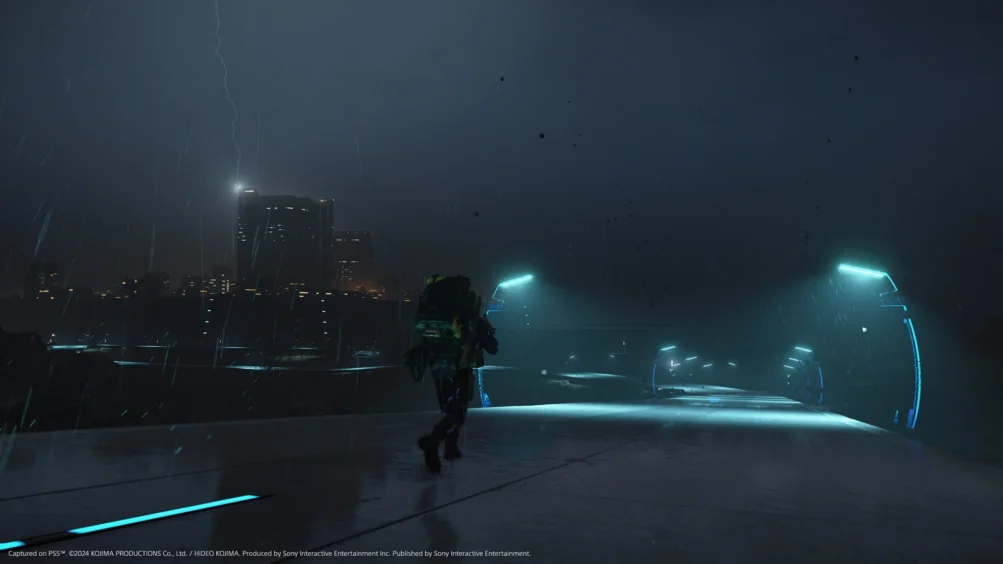
Visually, Death Stranding 2 is breathtaking. From the rain-slicked rocks to misty valleys and craggy mountain peaks, every inch of this world is crafted with stunning detail. The weather effects—rain, fog, and storms—don’t just look incredible; they affect gameplay, making traversing certain areas a strategic challenge.
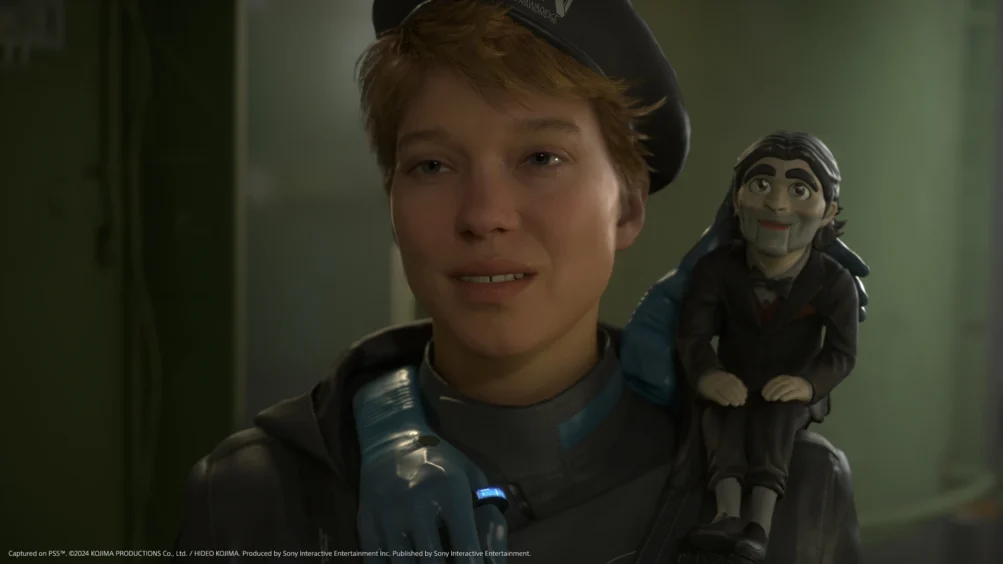
Day-night cycles bring different moods to the world, with the golden glow of sunset casting long shadows and the cold blue of night amplifying the sense of isolation. Character models are detailed and expressive, helping to ground the story’s emotional weight.
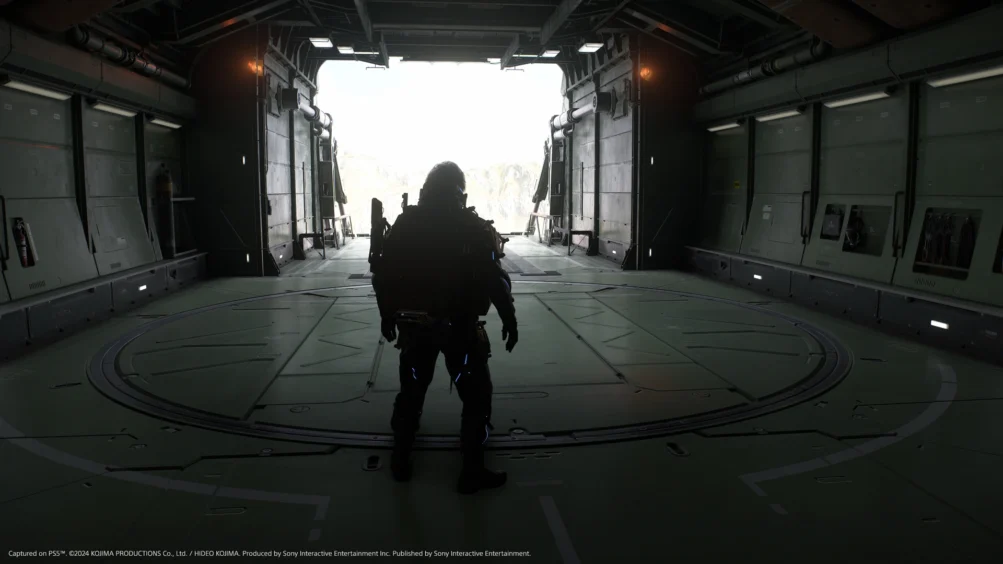
The environment is not just a backdrop but a character in itself, telling stories of devastation and hope through ruined cities, abandoned outposts, and makeshift camps. It’s a world begging to be explored… slowly.
Sound and Music: Atmosphere That Haunts and Comforts
The sound design in Death Stranding 2 is top-tier. Ambient noises—the crunch of footsteps on gravel, distant thunder, or the eerie silence before a BT encounter—immerse you completely. The haunting soundtrack complements the mood perfectly, weaving subtle melodies that tug at your emotions without overpowering the gameplay.
Voice acting is strong across the board, adding depth to characters and drama to key scenes. The dialogue sometimes drifts into melodrama, but it’s all part of the Kojima charm—larger-than-life characters caught in a surreal world.
Repetition: The Game’s Soul (And Your Greatest Challenge)
Here’s the kicker: Death Stranding 2 is repetitive—and proud of it. Where most games shy away from repetition, Kojima Productions embraces it, making it the very backbone of the experience. You’ll be walking, running, sneaking, driving, and fighting over and over, across mountains and valleys, through storms and sunshine.
But it’s a repetition with purpose. Each trip builds mastery, each route becomes a known path, each delivery a tiny victory in an enormous, lonely war. It’s meditation disguised as gameplay, a slow march toward connection in a fractured world.
Technical Performance and Polish
On the technical side, Death Stranding 2 runs smoothly with minimal load times, and it’s clear the developers put care into optimizing performance. There are occasional hiccups, but nothing that breaks immersion or frustrates significantly. The controls feel responsive, though vehicle handling can feel awkward on tight turns.
Final Verdict
Death Stranding 2 is a bold, divisive, and deeply personal game. It demands patience, a love for slow-burn storytelling, and the willingness to embrace repetition like an old friend. But for those who stick with it, it delivers a haunting, beautiful, and uniquely rewarding experience that lingers long after the final delivery.
If you’ve got the stamina for a marathon, the patience of a saint, and a heart ready to connect, then Death Stranding 2 is your next great journey. Just don’t expect to sprint — this is a trek worthy of Middle-earth itself.
Death Strading 2 On The Beath Trailer
Read more awesome reviews >>here<<.
Game code was provided by the Publisher.
I reviewed it, and then it was edited by my partner.



You must be logged in to post a comment.