Generative AI is no longer a futuristic concept; it is actively reshaping the way games are created, experienced, and monetised. From indie studios to AAA developers, AI is being integrated into level design, NPC behaviour, storylines, and procedural world-building.
AI-Driven NPCs: Dynamic Worlds, Personalised Stories
Non-playable characters (NPCs) are becoming smarter and more responsive thanks to AI. Instead of static dialogue trees and pre-programmed behaviour, NPCs can now react to player actions, mood, and even external in-game events. For example, in upcoming RPGs, an NPC may remember past interactions, adjust their dialogue tone, and influence quest availability accordingly. This increases immersion, replayability, and emotional engagement.
AI-powered storytelling tools can dynamically generate quests, side-missions, and even branching narratives. Developers can now create worlds that feel alive without the need for huge scripting teams. This is particularly beneficial for indie and mid-tier studios, allowing them to deliver rich, AAA-like experiences without the corresponding overhead.
Back to Pillar: The Future of Gaming 2025
Procedural Worlds Made Smarter
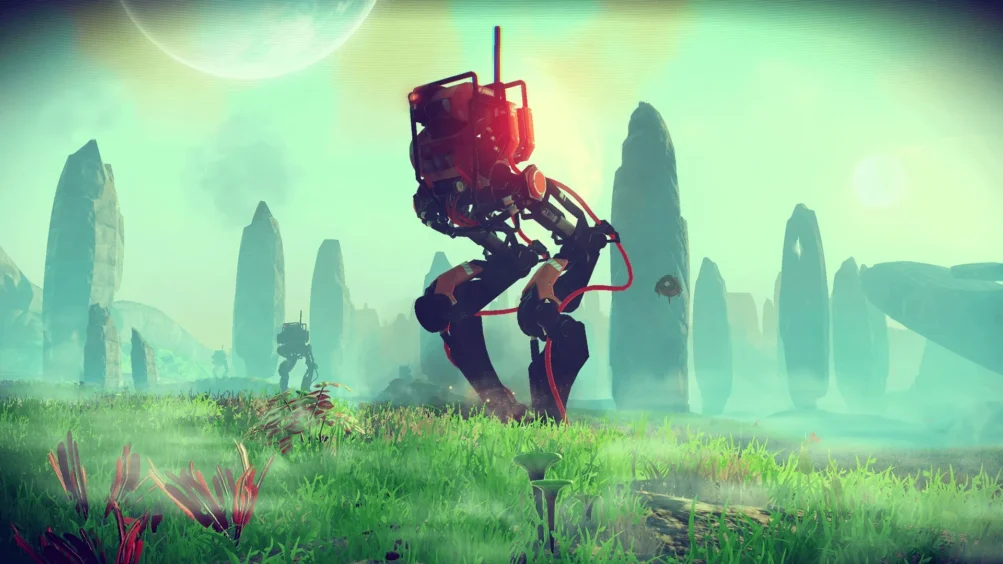
Procedural generation isn’t new, but AI is taking it to the next level. Entire worlds — including cities, forests, and terrain — can be generated dynamically, influenced by player choices, environmental conditions, and even in-game events. Imagine a game where weather patterns evolve naturally, wildlife migrates realistically, and urban populations react to the player’s presence. Games like No Man’s Sky are already experimenting with AI to create such dynamic environments.
Procedural AI helps reduce repetitive content and increases longevity. Players can return to a game weeks or months later and find new surprises, which keeps engagement high. From an editorial perspective, this allows for constant coverage opportunities as developers release new AI-driven updates.
Small Teams, Big Worlds
AI dramatically reduces development time and costs. Indie developers can now produce rich, complex worlds without massive teams. For example, a two-person studio can leverage AI to create a dynamic RPG with thousands of quests, procedurally-generated dungeons, and unique NPCs — something that would have previously required dozens of developers. This democratisation of game creation is increasing competition and variety in the gaming market.
From a content perspective, this is a goldmine. Coverage can include AI tools, tutorials, case studies of small studios, and trend analysis — all of which appeal to both gamers and industry professionals.
Real-World Examples
- AI Dungeon: Generates infinite storylines based on player input.
- Cyberpunk 2077 next-gen updates: NPC behaviour and side quests enhanced with AI scripts.
- No Man’s Sky: Procedural AI for planets, flora, fauna, and environmental events.
- Indie titles: Small studios using AI for complex quests and dynamic dialogue.
Monetisation & Engagement Opportunities
AI-generated content allows studios to release dynamic DLC, seasonal events, and player-specific content without heavy manual work. This increases engagement, encourages subscriptions, and boosts in-game microtransactions. From a journalism standpoint, covering AI-powered updates or highlighting new AI-driven titles is a consistent traffic driver.
If you enjoy games and gaming and want more NEWS from the Gaming World Click Here