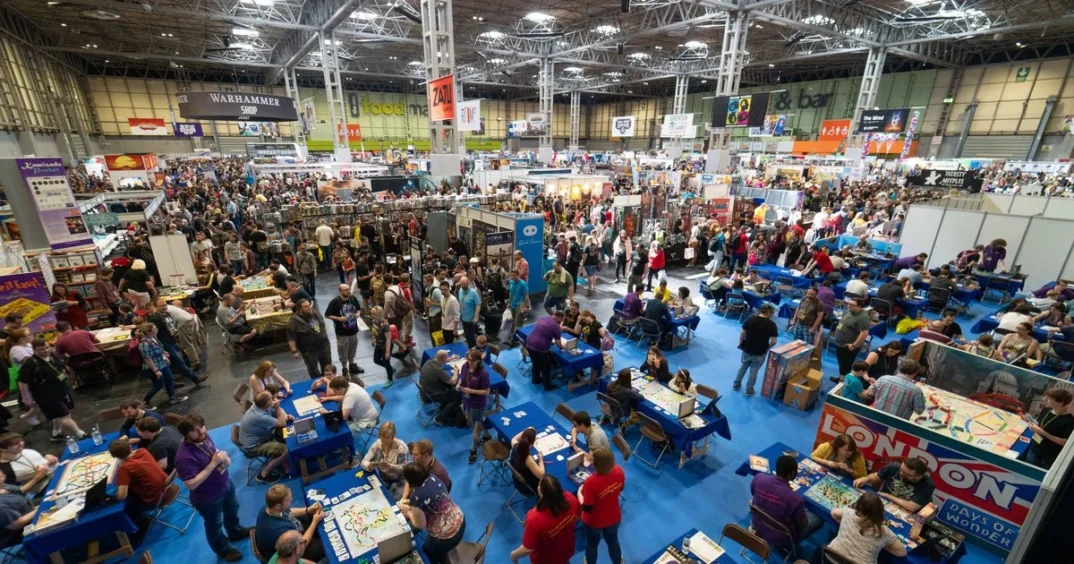
Twenty years can reshape an entire scene. UK Games Expo reaches that mark in 2026, and the scale of the event shows how far UK tabletop culture has moved. What began as a focused convention now fills five halls at the NEC Birmingham and extends into the Hilton Metropole Hotel. That growth did not happen in isolation.
The wider shift toward online connection played its part. Forums, streaming platforms, and more than one platform changed how communities form and stay active. It is no surprise that any online gaming platform for bingo, casino gaming, and similar formats can report larger communities due to stronger interfaces and broader game choice. Access improved, and participation followed.
UKGE reflects that wider pattern. The expo floor still matters, yet conversation continues long after doors close. The real story is not only about an anniversary. It is about how physical and online spaces grew at the same time and reshaped UK gaming culture.
UKGE at 20: Growth in Scale and Scope
UK Games Expo began as a focused tabletop event. Today, it fills multiple halls at the NEC Birmingham and extends into the Hilton Metropole Hotel. The 2026 edition will run from 29 to 31 May and marks two decades of steady expansion.
Attendance has increased over the years, with thousands of visitors now expected across the weekend. Publishers use the show to debut board games. Independent designers test prototypes in open play areas. In recent years, major brands such as Asmodee and Ravensburger have maintained a visible presence, which shows how the expo now attracts both global and local names.
This growth says something about the UK audience. Tabletop gaming never disappeared. It evolved. Card games, strategy titles, and role-playing systems all sit side by side at the event. UKGE reflects that range. It offers tournaments, panels, and retail space under one roof.
After twenty years, the event feels established. Yet it still asks a quiet question. How does a physical convention stay relevant in a time when much of the conversation takes place online?
Who Are Today’s UK Gamers?
Data from the Appinio Hype Train Report gives a clear picture. Eighty-nine percent of Brits play games at least occasionally. That statistic alone challenges old stereotypes about who takes part.
The report states that men and women show a similar likelihood of playing video games. It also notes that Gen Z and Millennials report participation rates of 96%, while 96% of those aged 35 to 44 also play. Gaming does not sit within one narrow group. It crosses age brackets and backgrounds.
Forty-five percent of Brits identify as frequent gamers. More than half of 35 to 44-year-olds say they play daily. Those numbers reflect routine behaviour rather than rare activity.
UKGE benefits from this broad base. The audience arrives with varied interests and levels of commitment. Some attend for competitive tournaments. Others focus on discovering new board titles. The demographic spread strengthens the event’s long-term position.
Streamers and the Shift in Attention
Streaming platforms changed how games gain visibility. British gamers follow creators across YouTube, Instagram, and Twitch. Sixty-eight percent follow streamers on YouTube, 50% on Instagram, and 49% on Twitch.
Names such as Ninja, TimTheTatman, and Mr Beast appear in survey responses among UK audiences. Their focus may centre on video games, yet their reach influences wider gaming discussion. A featured title can gain rapid traction after one broadcast.
This culture of shared viewing builds discussion before and after events like UKGE. A board game demo at the NEC may later appear in a recorded playthrough online. Viewers who could not attend still join the conversation. The boundary between expo floor and online chat grows thin.
The result feels clear. Community now forms in layers. Physical gatherings anchor the scene. Online platforms keep it active all year. UKGE at 20 stands as proof that both spaces can grow side by side rather than compete.
Community Beyond the Convention Hall
One in three British gamers says they belong to an online gaming community. That figure highlights how connection extends beyond physical gatherings. Discord servers host tabletop campaigns and discussion groups. Reddit forums such as r/gaming feature UK-focused threads about releases and local events.
These spaces create daily contact. Players share rule clarifications, arrange meetups, and debate new mechanics. The sense of community does not pause when an expo ends.
UKGE sits within this broader structure. Conversations that begin online often lead to in-person meetings at the NEC. After the weekend, those same discussions return to digital channels. Physical and online formats support each other rather than compete.
Twenty years after its launch, UKGE stands as proof of that balance. The expo marks a milestone, yet the wider UK gaming community shows that growth continues far beyond a single venue.
If you enjoy games and gaming and want more NEWS from the Gaming World Click Here