
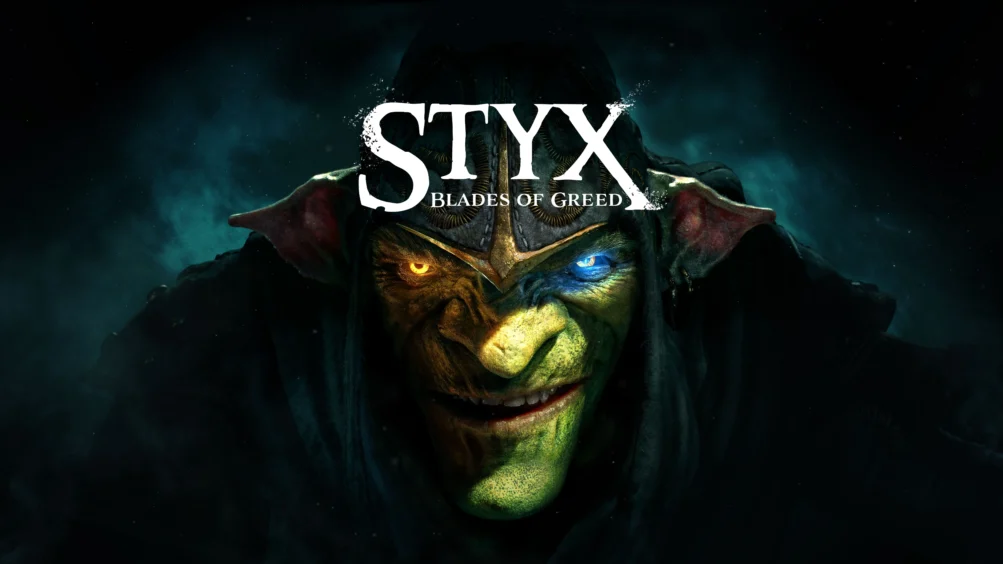
Styx Blades of Greed marks the long-awaited return of gaming’s most foul-mouthed goblin master thief. Developed by Cyanide Studio and published by Nacon, the game arrived on February 19, 2026 for PC, PlayStation 5, and Xbox Series X|S, to everyone, however, purchase the Quartz Edition, and you will get to play it on the 17th, a little earlier, though the game was originally delayed to give the team time for extra polish, and it shows.
This latest entry does not reinvent Styx, but it absolutely refines him. Expansive vertical environments encourage creative infiltration, new powers tied to the mystical Quartz resource open up fresh tactical options, and a subtle Metroidvania-style progression system rewards curiosity rather than punishing it. Exploration feels intentional. Routes feel earned.
After spending significant time with the PC version, this is easily the most confident Styx title to date. It’s sharper, more flexible, and far more ambitious in level design than its predecessors. It is not flawless, a few rough edges remain, but when it leans into player freedom and movement, it delivers something stealth games rarely manage: genuine improvisation without breaking immersion.
Traversal Is the Real Star
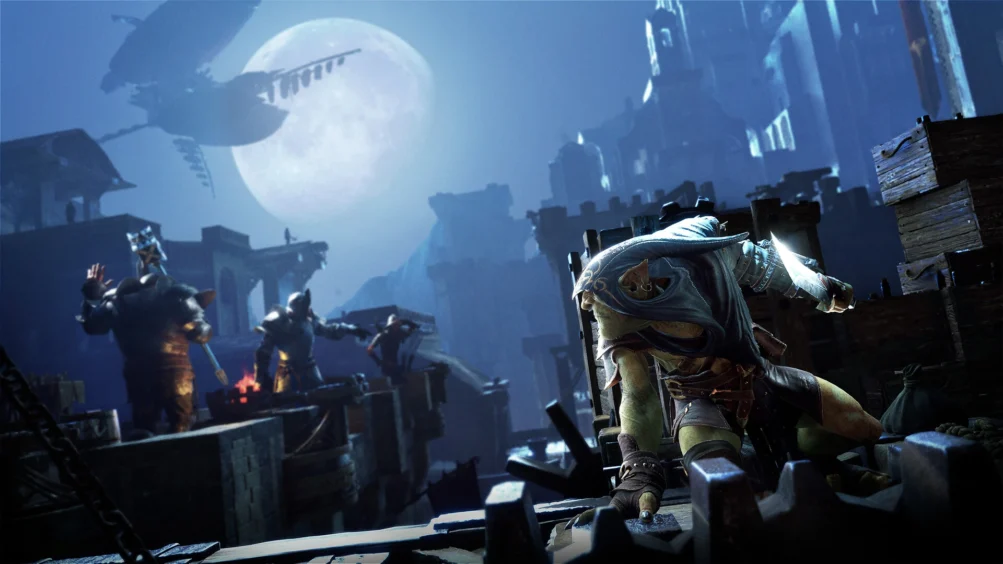
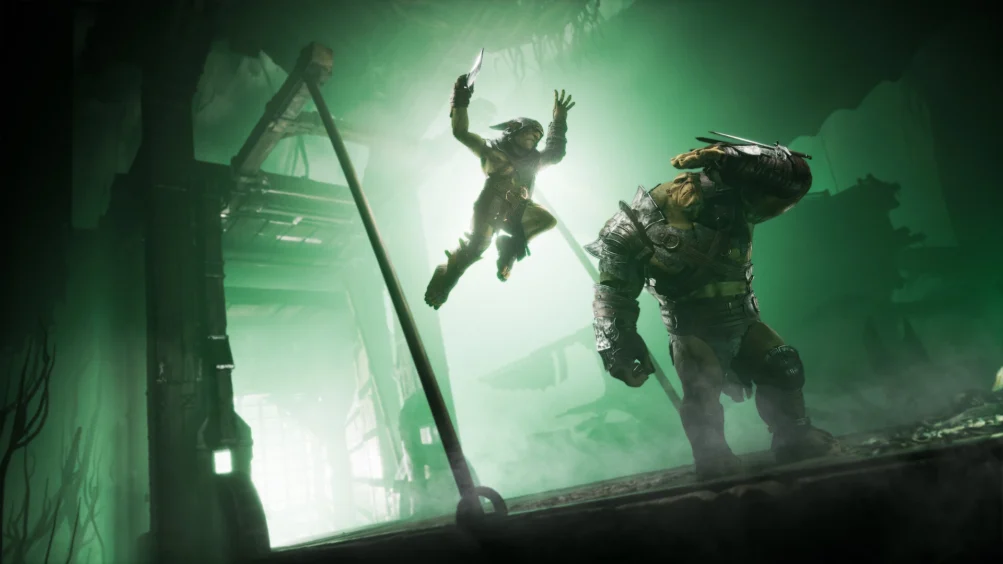
The most immediate and impactful evolution in Styx Blades of Greed is its movement. Traversal isn’t just improved, it’s transformed. Every major environment is built with verticality at its core, encouraging you to think like a predator rather than a trespasser. Rooftops, rafters, hanging vines, and scalable walls are not decorative; they are deliberate invitations to experiment. Success rarely comes from hugging the ground. It comes from thinking three dimensions ahead.
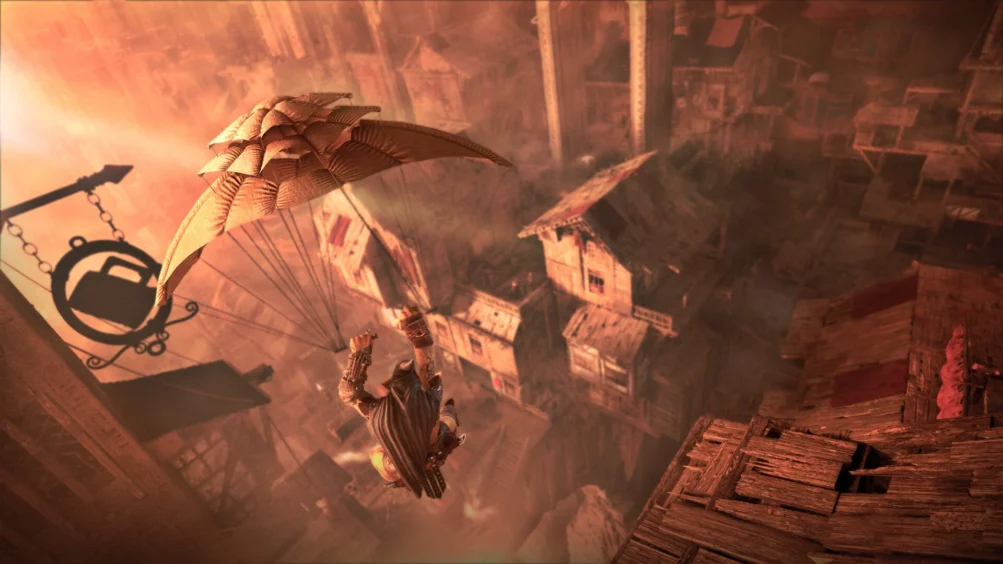
Styx Blades of Greed’s world is divided into three sprawling open zone, The Wall, Turquoise Dawn (a dense, lived-in orc settlement), and the crumbling elven capital of Akenash, and each feels designed as a layered playground. Height is not a gimmick here; it’s the foundation. A deployable glider allows you to silently drift across gaps or descend into guarded courtyards. A grapple enables sudden vertical bursts to safety. Claws let you cling and climb where older Styx titles would have forced a detour. It’s classic lock-and-key level design, but expanded into something far more fluid.
This commitment to layered spaces elevates the entire stealth loop. There ís a genuine thrill in weaving above patrol routes or slipping beneath structures unseen, constantly adjusting your approach mid-run. Movement becomes expression. Encounters feel tactical and dynamic rather than slow and rigid. For the first time in the series, stealth is not just about patience, it’s about momentum.
Stealth and Powers That Expand Your Toolbox
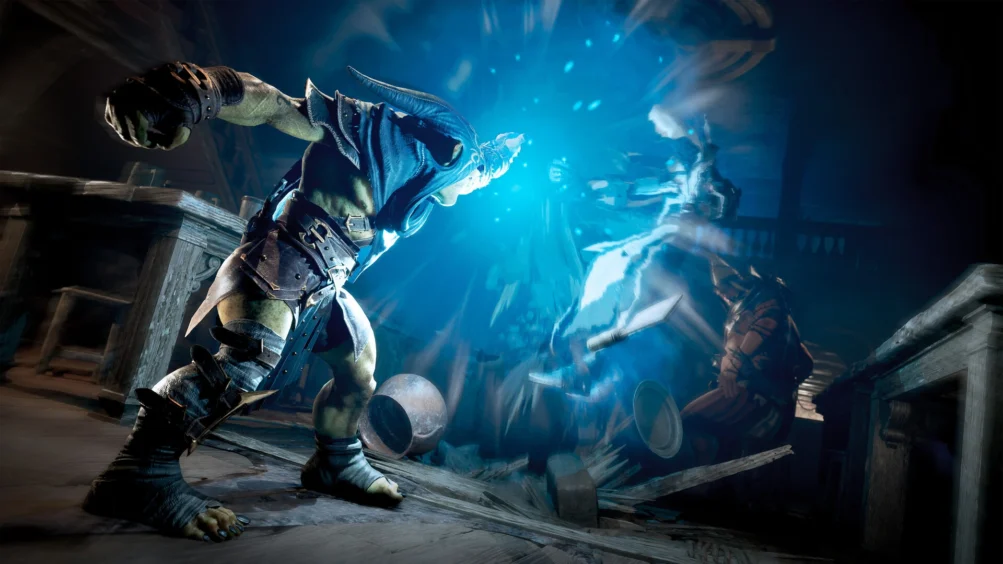
Combat remains something you avoid, not master. Styx Blades of Greed makes it abundantly clear from the outset: Styx is a knife in the dark, not a frontline fighter. Get cornered and you’ll feel it immediately. The game does not flatter your ego, it punishes recklessness, and that commitment to stealth-first design gives the experience real tension.
What truly elevates this entry, though, are the new Quartz-based powers. Returning Amber abilities like cloning and invisibility still form the backbone of your toolkit, but Quartz expands the sandbox in meaningful ways. Mind control lets you briefly turn guards into unwitting accomplices, redirecting patrol routes or isolating targets. Time shifting slows the world just enough to create openings, slipping beneath triggered traps, stealing keys mid-patrol, or crossing exposed spaces that would otherwise be suicidal.
These abilities do not trivialize encounters; they reframe them. Each infiltration starts to feel less like sneaking through a corridor and more like solving a living puzzle. You are not overpowering the system, you are bending it.
Crucially, the layered world design complements these tools perfectly. Vertical routes, hidden passages, and multiple objective paths mean your powers rarely have just one solution. Redirect a guard and slip through a skylight. Slow time and ghost past an elite patrol. Create a clone as a distraction while you disappear into the rafters. The systems interlock cleanly, making Styx’s sandbox feel deliberate, flexible, and, when it all clicks, immensely satisfying.
Story and Character Work Better Than Expected
Styx games have never been known for epic stories. But Styx Blades of Greed is actually kind of fun. Styx isn’t just sneaking around this time. He’s leading a crew on a zeppelin, chasing Quartz, while elves, humans, and orcs argue below. It’s chaotic. It’s funny. The goblin-style sarcasm is everywhere. You’ll meet strange characters, get double-crossed a few times, and, as always, Styx causes trouble wherever he goes.
The writing doesn’t take itself seriously, and that’s fine. Styx is still the main draw. He’s charming, a bit cheeky, a little menacing. Some voice lines are off in cutscenes, sure, but they don’t ruin things. Most of the time, the story makes sneaking around feel worth it—you care about what happens.
Level Design and Exploration That Rewards Curiosity
Styx Blades of Greed shines in its levels. They aren’t just big maps; they feel alive. Hidden paths, high ledges, clever choke points—they make you stop and think: “Okay, how do I handle this my way?” Finding a route that works for you? That’s a small but real thrill.
The Metroidvania-style progression helps too. Unlock a new power, go back to an old area, and suddenly there’s something new. Optional paths aren’t just filler—they actually reward curiosity. Trying something different pays off.
PC Performance and Technical Bumps
On PC, Styx Blades of Greed mostly works. Not perfect, though. Sometimes animations glitch. AI can be dumb. Guards react smartly one moment, then completely ignore distractions the next. You’ll need a decent rig—at least 12 GB RAM and a modern GPU for higher settings. Most problems should be fixed in patches.
Audio and Presentation
Graphically, Styx Blades of Greed is simple but effective. Levels are easy to read. Lighting and verticality make stealth easier. The sound design is excellent. Environmental cues help you figure out what’s going on. Styx’s voice acting usually nails it, though a few cutscenes feel off. When everything works together, the world feels alive and playful.
Final Thoughts
Styx Blades of Greed isn’t trying to reinvent stealth games. And that’s okay. Verticality, powers, and a sandbox world make heists satisfying. Technical hiccups and AI issues hold it back from perfect, but pulling off a clever plan makes it all worth it.
If you like stealth games where exploration matters and choices count, Styx Blades of Greed best Styx adventure so far. PC, PS5, or Xbox Series X|S—take your pick
Read more awesome reviews >>here<<.
The game was provided to us for the express purpose of reviewing.
The review was written by me and edited by my partner.




You must be logged in to post a comment.