
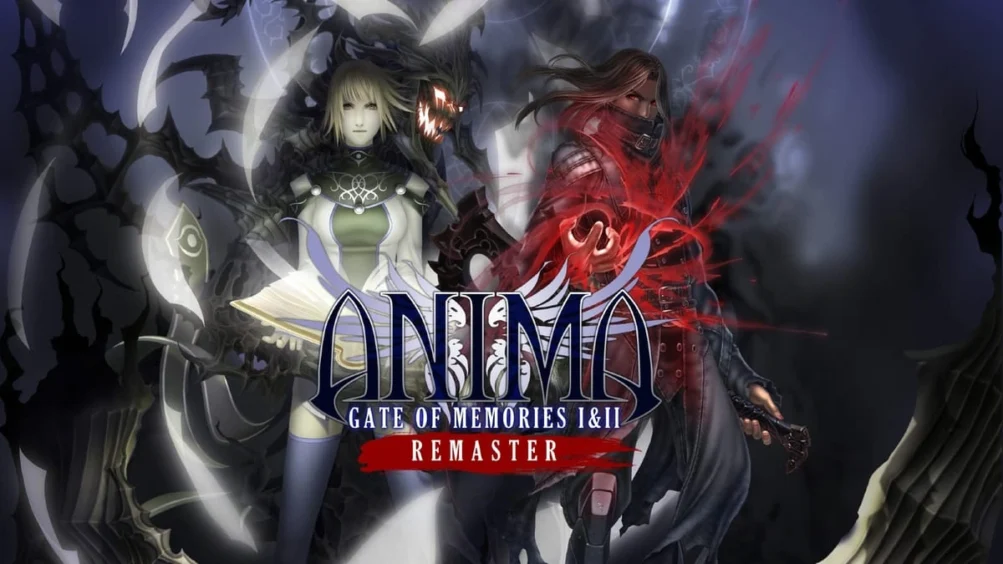
With Anima Gate of Memories, developers Anima Project took on the Herculean task of translating the tabletop RPG Anima: Beyond Fantasy to digital life. Choosing to bring any tabletop RPG to another medium with its oodles of dense lore and systems is a daunting task, and the world of Gaia and its impending apocalypse hit gaming platforms in 2016. Two years later, the second game in the series, Anima Gate of Memories – The Nameless Chronicles, took gamers back into the impending apocalypse.
Now, Anima Project have plunked both of those games into one remastered collection with Anima Gate of Memories I and II Remaster.
Story & Characters
In the first game, you’re thrown into the shoes of dual protagonists, The Bearer and the demon Ergo Mundus. Sent to reacquire an artefact called the Byblos, they find themselves trapped in a strange tower whose innards are built from the memories of its monstrous inhabitants. Your choices will determine their fate. The Nameless Chronicles puts you in the shoes of the mysterious Nameless immortal from the first game who stood in your path. His story takes place at the same time as that of the first game, showing you the other side of the conflict. Is he a saviour? Or a destroyer?
Gameplay & Combat
Despite coming out in 2016, Anima Gate of Memories feels like an action RPG from a much earlier era: from the late PS2 to early PS3 era of design, in fact. Now that’s no slight on the way the game plays, as that age of gaming had no shortage of legendary action titles and RPGs in its midst. While Anima Gate of Memories uses a more open world-ish approach to its game design in how you’re allowed to tackle its environments, it feels very reminiscent of games like Nier, Drakenguard, Devil May Cry and just that little bit of Legend of Zelda.
The Anima games are highly hack-and-slash, combat-heavy, and it’s very clear that Devil May Cry provided a significant amount of inspiration here, though the game can’t live up to those bombastic action chops. It does do a really good job of giving you a nice array of skills and melee attacks to deal out, and in the first game, you can switch between the Bearer and Ergo at the drop of a button, allowing for some fancy chain combos to juggle enemies with. Ergo and The Bearer play fairly differently as well, with Ergo a more in-your-face brawling powerhouse while The Bearer works better as a ranged attacker.
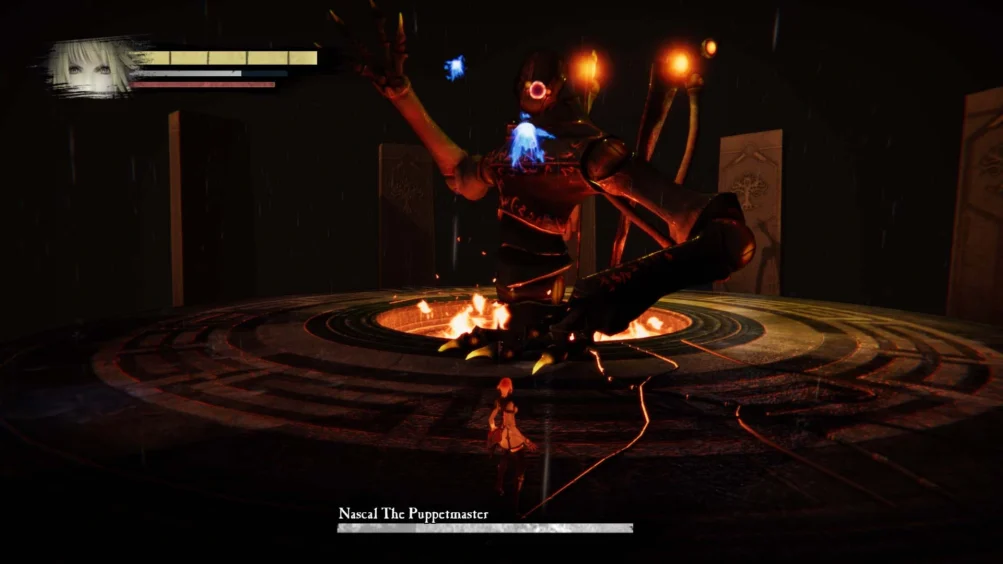
Nameless, from the Nameless Chronicles, is the only shoe you’ll be stepping into for the follow-up game, and he plays like an all-rounder; great at both melee and projectile attacks. In both games, combat is weighty and fast-paced with light and heavy attacks, AOE’s, ranged magic attacks and dodges, all governed by a stamina bar and a magic bar, both of which refill over time.
There’s an assortment of weapons and accessories to pick up along the way, each with its own stats. Ergo, the Bearer have to share these items, so there’s some thought into who you’re going to equip with what. As you level up, you’re given skill points to put into each character’s skill tree. Major skills are linked by stat upgrades. You’re limited to how many skills you can equip, but one nice touch is that you can have a different set for aerial attacks versus ground attacks.
One minor visual decision did irk me a little bit in that, in the first game, weapons are only used for stat and ability changes, and it’s only in the second game that each weapon has its own mesh. A minor quibble, but one I overcame.
Combat Balancing & Design Updates
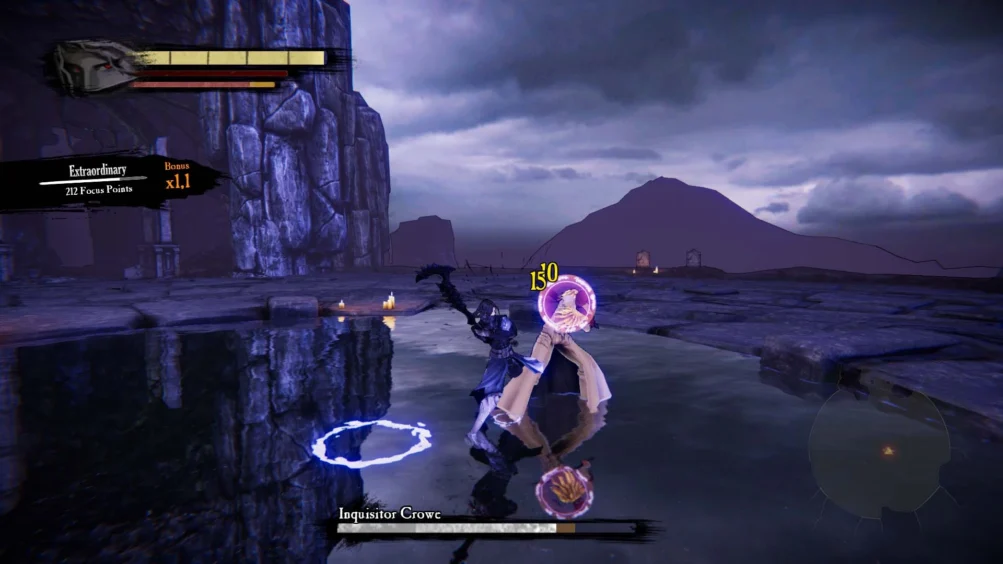
One of the changes that Anima Project made to the games was gameplay and combat re-balancing. For the most part, combat is fast and fun, and both feel and sound meaty thanks to some wonderful sound effects, but most fights ended up turning into projectile spawnathons as the enemies deal those out quite liberally. While you can hit a magic attack with a magic attack, it makes it difficult to get to some enemies without getting hammered and stuck in a string of knock-back loop attacks. I feel like this is one aspect of rebalancing that the developers didn’t nail.
Narrative & Lore Presentation
For a story-heavy game, you can bet that lore plays a very important part here. There’s a fair amount of dialogue to consume, along with diary entries to delve into the tragic backstories that most of the characters have. The narrative is definitely one of the game’s strengths, as I never tired of finding out more about this world and its inhabitants. How the lore was presented to players has also been refined with this outing, and I feel like Anima Project did a fantastic job here.
I’m less enthusiastic about the game’s voice acting, though, which, quite frankly, is pretty bad. There’s a lot of fully voice-acted dialogue here, which I can get through, but I could have done without lore exposition dumps and diary entries being read to me.
Visuals & Art Direction
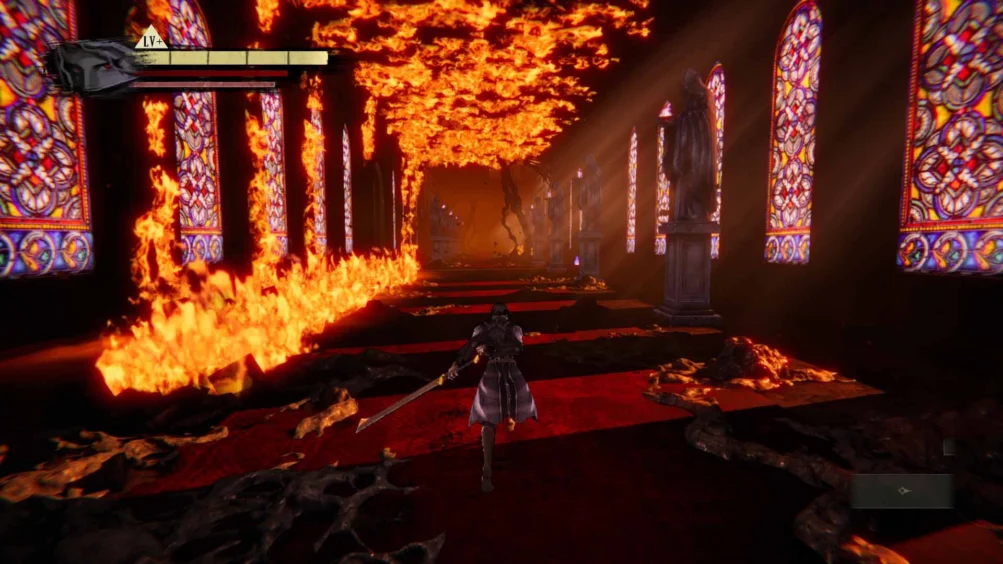
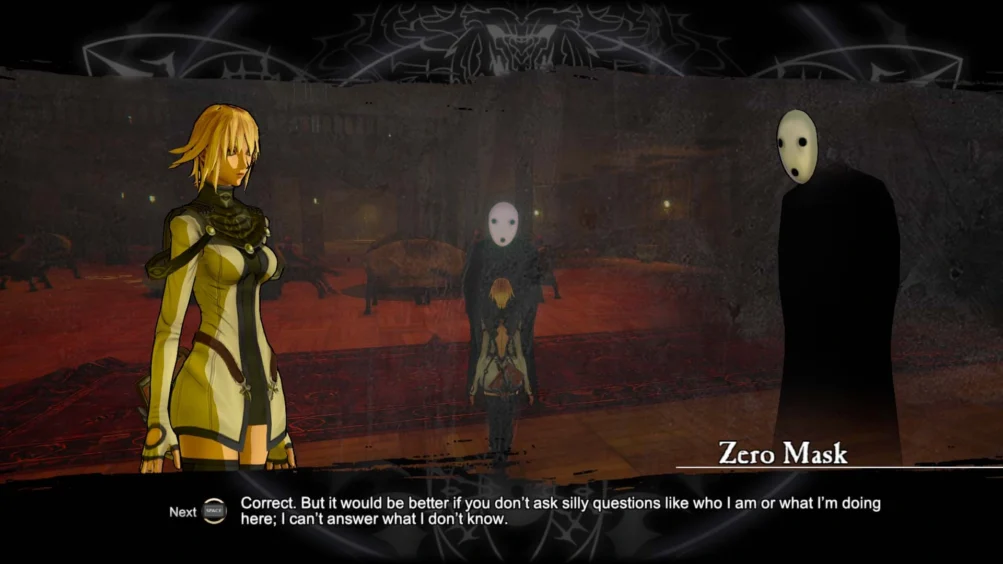
The most striking upgrade, and the one you’ll immediately notice, is the game’s visuals. Anima Gate of Memories employs a stylised, Western anime look with character models sporting a nice, thick, black outline. It’s not quite cel-shaded, but rather has aspects of the style in its visual identity. The game’s textures, materials, visual effects and lighting have received a lovely upgrade, making the game striking to look at. From its burning Church galleys to its haunted mansions, the game has a haunted, Gothic atmosphere about it.
That said, levels are rather sparse in design, favouring large, empty open spaces rather than prop-heavy ones we expect by today’s standards.
Conclusion
Anima Project have done a great job in making Anima Gate of Memories easier to get into. While not all the changes and balances work, specifically the projectile-heavy side of combat and the voice acting, the easier-to-understand lore and fascinating narrative make certain this is the edition of the games you should play, even if you’ve experienced them before.
Anima Gate of Memories Trailer
Read more awesome reviews >>here<<.
The game was provided to us for the express purpose of reviewing.
The review was written by me and edited by my partner.


You must be logged in to post a comment.