
Online gambling is often discussed in extremes, with flashy bonus offers on one side and compliance stories on the other. The more interesting discussion is in between, where product teams compete on design and user habits.
That is why the recent profile that mentions Soft2Bet is a useful starting point. It frames the company through the broader arc of leadership and community work around Uri Poliavich, which makes it easier to notice what usually gets missed in iGaming conversations: how the most resilient operators behave like consumer-tech companies, with long roadmaps and systems thinking.
The product layer that people rarely describe
Soft2Bet describes themselves as a turnkey iGaming platform provider for casino and sportsbook operators. In other words, they provide the engine behind gambling brands – the platform, the UI, and the software that enables regulated gambling across multiple geos.
What makes this niche worth watching is that the “platform” is only half of the job. The other half is behavior design. A casino lobby can contain thousands of games that look similar across brands, so differentiation often comes from the meta-experience: missions, collections, seasonal events, and structured challenges that turn a catalogue into something that feels alive.
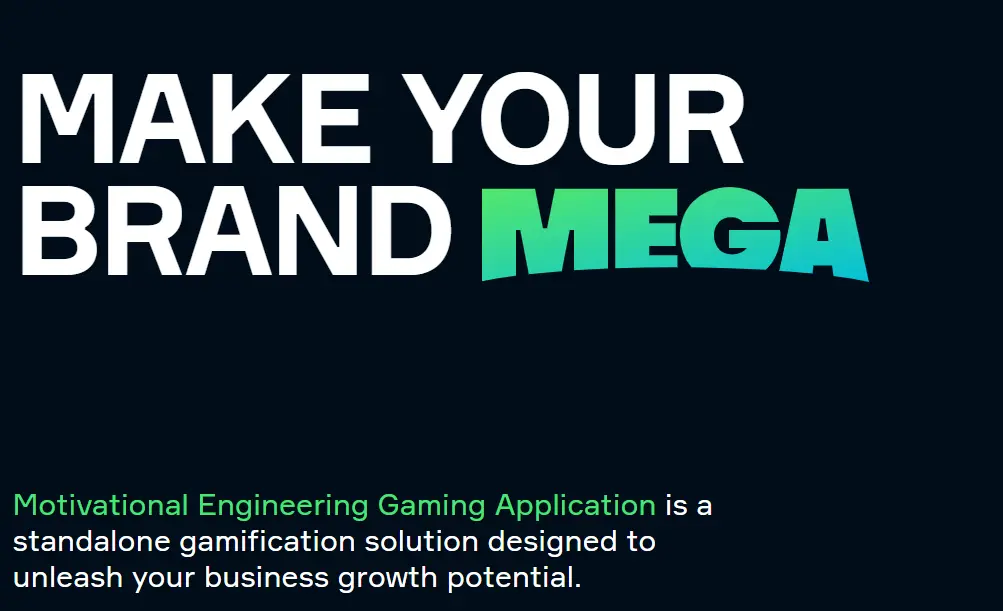
Soft2Bet’s public materials repeatedly push in that direction, especially through its gamification stack branded as MEGA, short for Motivational Engineering Gaming Application. The company positions MEGA as a layer that can integrate via API, with features like challenges, leagues, and other engagement mechanics intended to lift retention and value over time.
MEGA and the new craft of retention
Gamification is a bit of a dirty word in the gaming space, so it’s useful to define it as a design term, not a buzzword. In mature markets, “more bonuses” stops working as a strategy. Operators then look for systems that can do three things at once: keep the experience fresh, personalize it without feeling intrusive, and create goals that feel achievable.
MEGA is described as a modular engagement engine with mechanics such as collectibles, challenges, and competitive ladders. Soft2Bet also highlights reported performance lifts for partners in its own overview of MEGA, which signals how central that layer is to its identity.
A practical way to understand what this kind of system tries to solve is to look at what it replaces. Instead of relying on one-time promotions, a gamification layer can support an “always-on” experience, where:
- a returning player sees continuity rather than a reset,
- events feel seasonal instead of random,
- loyalty becomes a storyline rather than a points counter.
This is also where regulated-market reality matters. Engagement tools need to coexist with responsible gambling controls and jurisdiction-specific requirements. Soft2Bet’s positioning leans into regulated operations and market adaptability, which is where engineering, legal, and product teams tend to either sync well or break down.
A company that behaves like a studio
The most compelling iGaming companies often resemble creative studios as much as they resemble software vendors. They run multiple brands, test formats, learn from audience behavior, then iterate quickly. Soft2Bet’s “about” materials emphasize a portfolio approach: different projects tuned for different markets, with a consistent underlying capability in platform delivery and user experience.
That studio mindset shows up in the choices that are easy to overlook:
- Front-end identity matters. A “skin” is no longer just colors and fonts; it is onboarding, navigation, pacing, and the rhythm of rewards.
- Localization is product design. Market entry involves language, payments, content preferences, and compliance constraints that can reshape the entire user journey.
- Content is part of the product. Sportsbook, live events, and game offerings can benefit greatly from being presented in a curated way, rather than being presented as a list.
Soft2Bet has also been showcasing their product MEGA at major industry events, suggesting that it’s a flagship product and not just an add-on.
Signals that Soft2Bet is playing a longer game
It is easy for an iGaming article to drift into hype. A more grounded approach might be to look for signs that generally correlate with longevity, such as systems, product clarity, and a consistent narrative across various channels.
Here are a few signs that stood out to me through publicly available information:
- A named engagement framework. Building a branded gamification layer suggests sustained investment and a desire to standardize learnings across launches.
- An emphasis on integration. “Integrate via API” language hints at modular engineering, which generally scales better than one-off builds.
- A portfolio mindset. Showcasing multiple market-specific projects implies an operating model that expects variation and keeps shipping.
These signals are subtle, yet they matter more than marketing claims. In iGaming, the teams that keep building through changing regulations, acquisition costs, and shifting player habits are the teams that treat product as a long-term craft.
Finally, leadership narratives can be overused in tech storytelling, yet they still provide clues. The The Jerusalem Post profile that includes Uri Poliavich places visibility on education and identity initiatives alongside industry work, which can reflect the kind of internal culture a company tries to sustain.
Where this leaves the industry conversation
Soft2Bet’s story is interesting because it sits in the intersection of regulated engineering and entertainment design. The company’s materials point to a belief that the future of iGaming will be shaped less by who has the biggest catalogue and more by who builds the best systems around that catalogue: engagement loops that feel coherent, tools that adapt to markets, and platforms that can evolve without breaking.
That direction also mirrors a broader shift. The most competitive gambling products increasingly borrow from mainstream consumer apps: progression, personalization, and community-style dynamics. The difference is that in iGaming, those mechanics must operate under a sharper ethical and regulatory lens.
A healthy way to read Soft2Bet’s positioning is through questions that matter beyond one company:
- What does “engagement” look like when it has to coexist with responsible-play tooling?
- Which gamification mechanics support sustainable behavior rather than short spikes?
- How do operators create identity in markets where many brands share similar game inventories?
Soft2Bet’s visible focus on MEGA and on multi-market delivery suggests it is trying to answer those questions with product systems rather than with slogans.
And that is why the company tends to attract attention in industry circles: it represents the part of iGaming that feels most “builder-led” — the ongoing work of turning compliance-heavy infrastructure into experiences that users can navigate easily, return to, and understand.
If you enjoy games and gaming and want more NEWS from the Gaming World Click Here




You must be logged in to post a comment.