

The Atelier Ryza Trilogy represented a watershed moment for Gust and Koei Tecmo’s Atelier series; a niche, cosy JRPG franchise known more for its strict time limits and intimidating alchemy menus than its mainstream appeal. Before Reisalin “Ryza” Stout burst onto the scene in 2019, Atelier was pretty much unknown in the West, with not even the mid-2010s cosy boom able to lift it from relative obscurity.
Fast forward to late 2025, and the Atelier Ryza Secret Trilogy Deluxe Pack (DX) stands as a monument to the most successful sub-series in the franchise’s history. This “definitive” collection brings together “Ever Darkness & the Secret Hideout”, “Lost Legends & the Secret Fairy”, and “Alchemist of the End & the Secret Key,” including all DLC and new scenarios for all three titles. For a newcomer, it’s a staggering amount of content, encompassing hundreds of hours of material-gathering, friendship-building, and world-saving.
However, while the DX versions polish the gameplay loop and consolidate every scrap of DLC, on Switch 2, they are marred by a technical decision that feels increasingly out of place in 2025: a locked 30fps framerate on consoles that should be capable of much more.
The Core Gameplay Loop
The “Atelier” gameplay loop has always been about the joy and personal journey of creation, and the Ryza trilogy perfects this. The DX collection highlights just how refined this loop became over three games.
It follows a rhythmic, meditative loop:
- Gather: Venture into vibrant fields to whack trees, shatter rocks and pluck flowers using your array of custom tools.
- Synthesise: Return to the atelier to transform those raw materials into powerful bombs, healing salves, and gear.
- Progress: Use those items to defeat stronger monsters and unlock new areas.
Alchemy and Linkage Synthesis
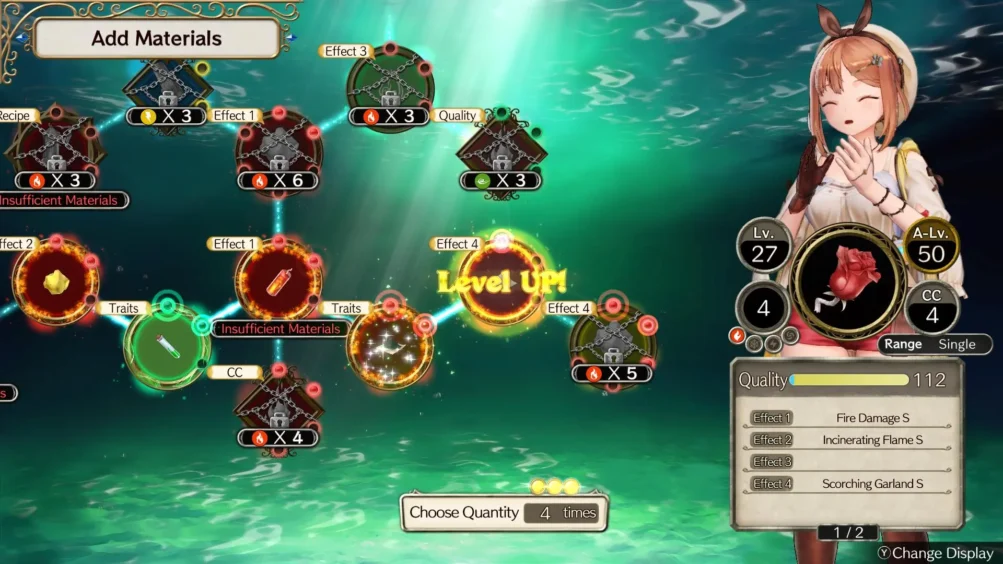
What makes the Ryza trilogy specifically stand out is the Linkage Synthesis system. Unlike the grid-based puzzles of other games in the series, Ryza uses a node-based system that is visually intuitive but deceptively deep. I expected to despise this element of the game, but the fluid way in which you’re able to upgrade and evolve your items, however you desire, kept drawing me further and further in.
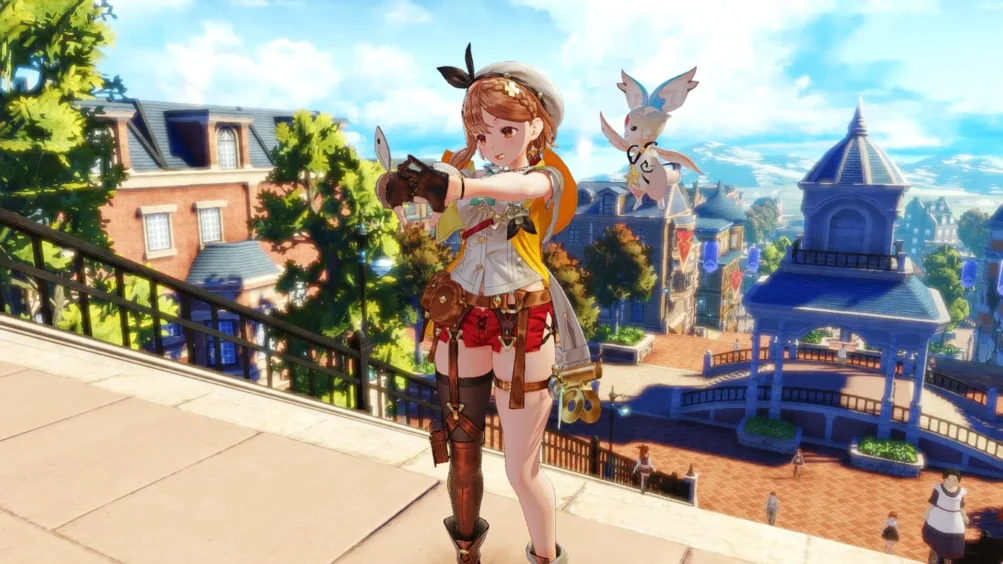
Pretty much as soon as you unlock alchemy in Ryza 1, you’re able to play around with upgrading and evolving equipment to ridiculous levels, and whilst if done right this can trivialise encounter difficulty, I found it incredibly satisfying to be able to consistently improve my loadouts from the get-go by grinding and increasing alchemy level. The alchemy is central to the game, no doubt, and it’s better for it as a natural, meaningful complement to the otherwise straightforward RPG formula.
Quality of Life and Progression
The DX versions include quality-of-life upgrades like increased basket capacity and revised event requirements, ensuring that the “busy work” never outweighs the “fun work.” There is a profound sense of “just one more item” as you chase a specific trait or a higher quality rating, and the trilogy handles this progression curve masterfully between titles as it gently adds and evolves in the second and third entries.
Gathering and Exploration
Gathering and exploration are pretty consistent throughout the series, with the variety of tools you are able to use affecting what materials each node yields. Use an axe on a tree, and you’ll find wood, but use a sickle, and you’ll get sap and bark as an example. It’s intuitive and rewards experimentation.
Combat Evolution Across the Trilogy
One of the Atelier Ryza Trilogy’s most significant departures from series tradition was its move away from pure turn-based combat. The Real-Time Tactics system is a highlight of this collection, particularly in the second and third entries.
Instead of waiting for your turn, the battle flows constantly in a way somewhat comparable to The Xenoblade titles, but minus the automation. You manage AP (Action Points) to trigger skills, which are built through performing normal attacks. CC (Core Charge) is also spent to use the items you spent hours crafting.
Thankfully, your hard-won items aren’t consumable in the traditional sense, with CC dictating how many item uses you get before needing to temporarily “burn” another item to refill these core charges to full. It’s a great system which encourages item use and rewards experimentation. I didn’t feel the need to “save” my best items like I tend to do in other RPGs, allowing me to actually find the fun in using them.
Mechanical Refinement and World Design
The DX edition’s addition of a “Custom Combat” mode in the first game is a respectable inclusion, allowing veterans to tune the difficulty and speed to their liking, though I didn’t really find much use for it in my playthrough.
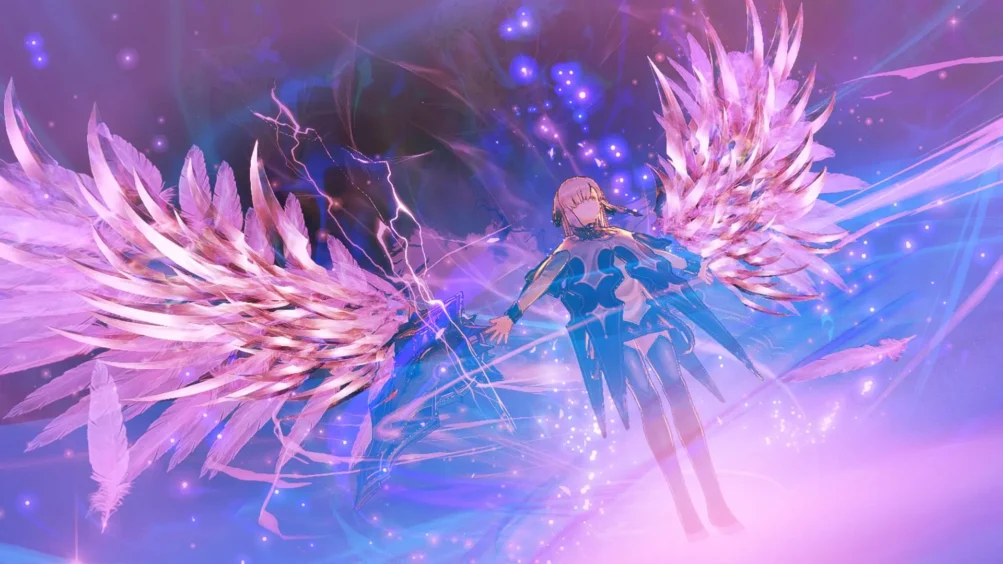
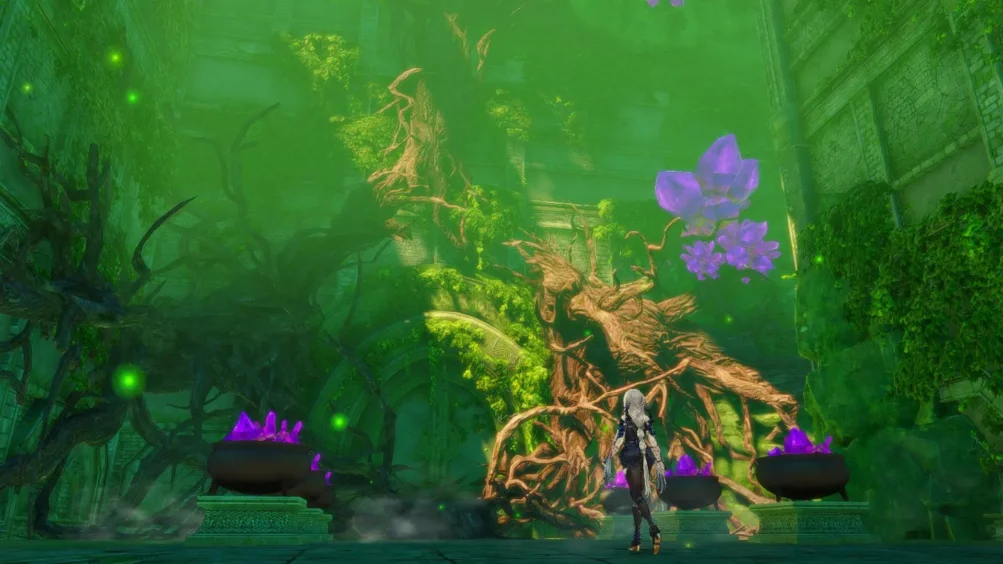
Whilst these mechanics are mostly consistent across the trilogy, there are some key evolutions which happen as you transition from one game to the next. The combat moves from basic ATB in the first game to a high-speed, chain-based tactical system by the third, ramping up intensity drastically. The map design also transitions from a series of interconnected zones to a massive, seamless open world by Ryza 3.
Alchemy and Combat Synergy
The synergy between the alchemy and combat is the trilogy’s greatest strength. In most JRPGs, gear is a stat stick you buy at a shop, but in Atelier Ryza, your gear is a physical manifestation of your effort. When you finally craft a godly bomb and watch it delete a boss, the satisfaction is immense.
Technical Performance and Value
While the content and mechanics are stellar, we have to talk about the technical performance and overall value. The Atelier Ryza Trilogy DX is being marketed as the “definitive” way to play, yet it arrives with a locked 30fps cap on most consoles, including the Switch 2.
The irony is that the Atelier Ryza Trilogy DX versions actually improve stability. The original releases often dipped into the low 20s during intense scenes; the Atelier Ryza Trilogy DX versions hold a rock-solid 30. But for a re-release in 2025, “stable 30” feels like a consolation prize rather than a feature.
Nintendo Switch Version Concerns
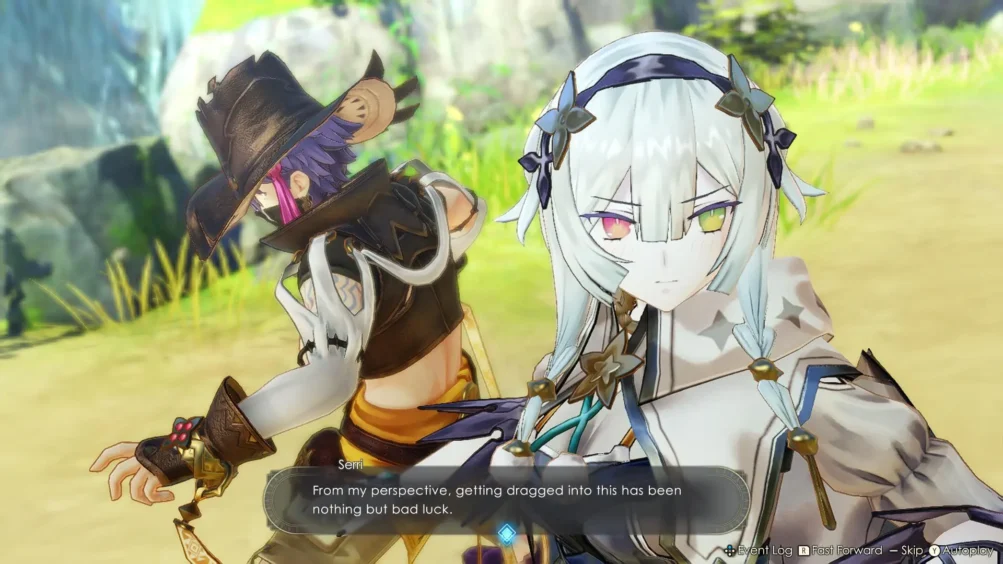
To add insult to injury, the way in which the Atelier Ryza Trilogy has been treated on Nintendo’s handheld is questionable to say the least. It’s available as both a Switch 1 and Switch 2 version, but despite a small boost to resolution and lighting, the two versions are identical – and locked to 30fps.
Final Thoughts
Despite the framerate and version-specific gripes, the Atelier Ryza Trilogy DX is an incredible value proposition. Watching Ryza grow from a bored farm girl into a master alchemist—and seeing her friends evolve into confident adults—remains one of the most heartwarming journeys in the genre.
The Atelier Ryza Trilogy DX is a masterpiece of game design held back by a conservative technical ceiling and some frankly ridiculous developmental and publishing choices.
Atelier Ryza Trilogy DX Trailer
Read more awesome reviews >>here<<.
The game was provided to us for the express purpose of reviewing.



You must be logged in to post a comment.