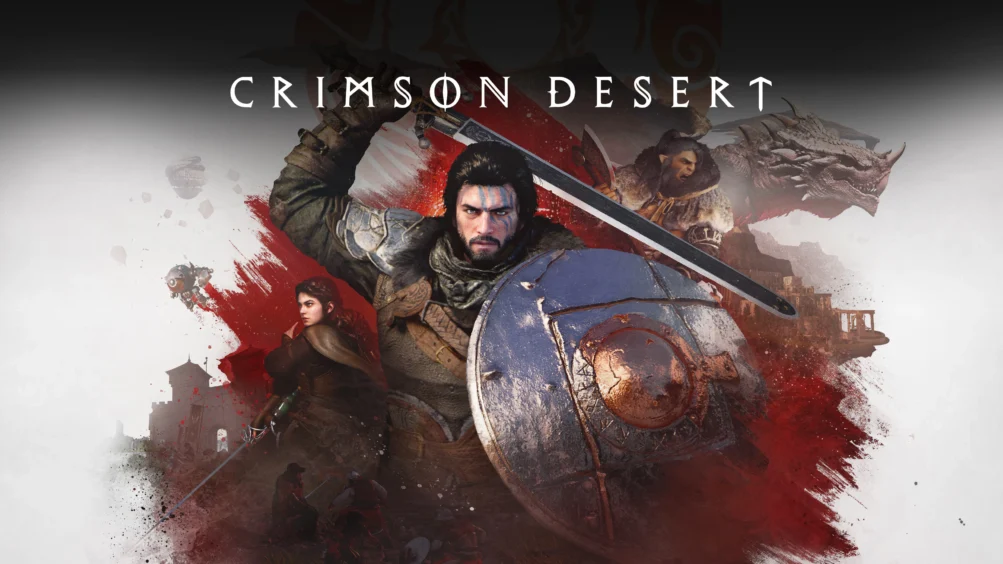
Crimson Desert isn’t here to hold your hand, and it isn’t trying to fit into whatever box you think an open-world RPG needs to. After spending time in Pywel — fighting, exploring, climbing, grappling, riding dragons, and switching between the three playable protagonists — one thing is obvious: this game is wild, chaotic, ambitious, and unashamedly huge.
It’s messy in places. Unfocused in others. Overbuilt and complex most of the time.
But when everything lines up? It’s genuinely thrilling — a blend of sandbox systems, visceral action, and moments that feel uniquely its own.
On PC, especially, it really shows what Pearl Abyss’ BlackSpace Engine can do. With enough power under the hood, the visuals, physics, and sheer activity on screen feel like you’re playing something next-gen — not just a bigger world, but a more reactive one.
Combat — Brutal, Physical, and Always Alive
Combat in Crimson Desert is one of those things that hits differently once you get into it.
It’s not a lazy hack-and-slash. Every move has weight. Every hit feels impactful. You can’t just mash light attacks and hope for the best — it rewards timing, positioning, and creativity. This type of content, based on the games I am currently playing, reminded me of No Rest for the Wicked, a game I wholly recommend.
There’s a real rhythm to fights: dodging, parrying, throwing enemies, vaulting over them, even climbing on bigger foes mid-fight to strike at weak points. You’re constantly reacting, repositioning, and chaining attacks together instead of just waiting for openings.
When you figure out how combos, grabs, environmental interaction, and abilities link together, combat feels deep and expressive — chaotic in the best way possible.
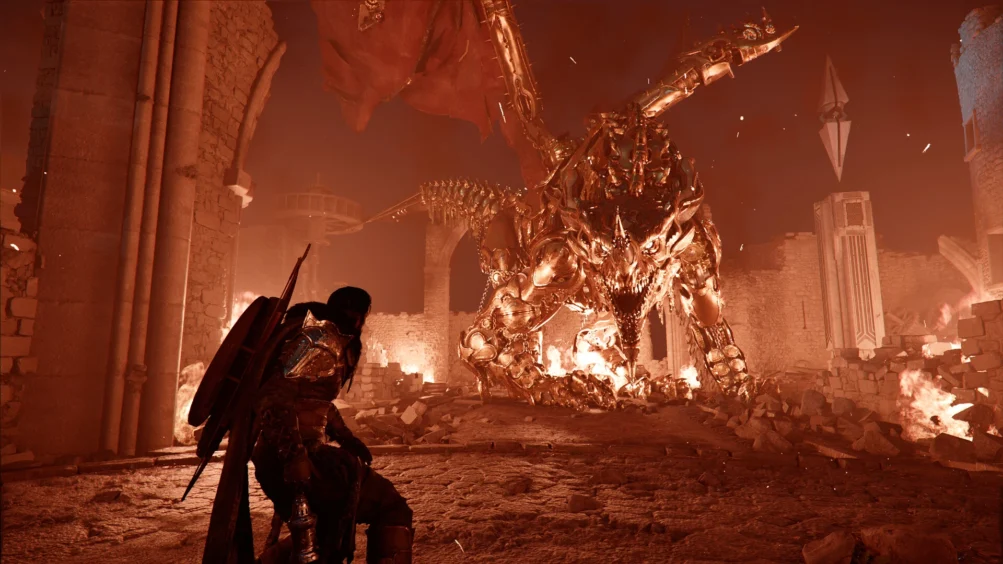
Boss fights especially stand out. They’re huge, aggressive, and demand adaptability as enemies shift phases and hit zones. They don’t feel like pattern queues and chip damage; they feel like battles you have to really read and respond to.
There are rough bits — camera overwhelm in hectic fights and inconsistent lock-ons can cost you in tight moments — but even those feel like part of the package rather than deal breakers. By the time you’ve been launched into mid-air grapples or slammed an enemy into a wall with a full combo, it’s easy to forgive the occasional jank.
World & Scale — Traversal That Feels Meaningful
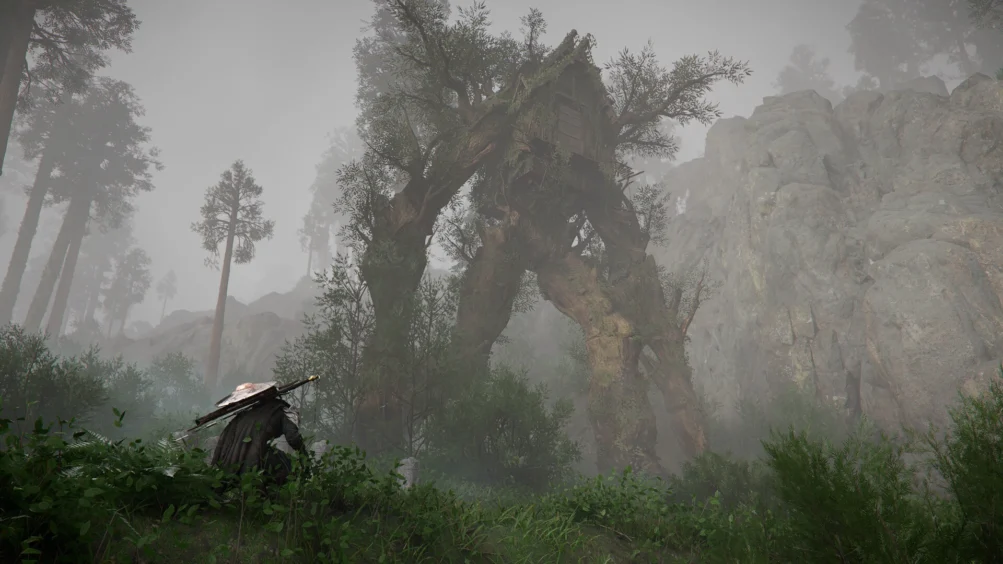
Make no mistake: the world in Crimson Desert is massive — in scope, layers, and possibilities.
Pywel isn’t just a flat map with markers — it’s a living, breathable place. NPCs wander, react, have routines, and their ambitions and rumours shape side content in ways that feel organic rather than forced.
Traversal isn’t an afterthought. You can:
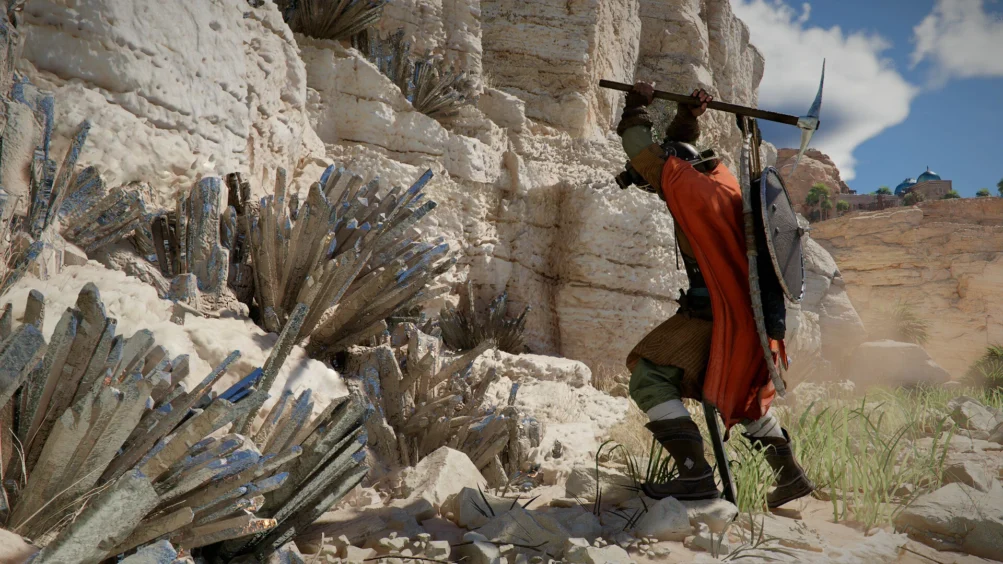
- Climb nearly any surface — cliff faces, castle walls, large enemy backs — giving verticality real meaning.
- Use a physics-based grappling hook to swing across gaps, pull yourself toward combat encounters, or chain mid-air jumps.
- Glide over massive distances using tools like Kliff’s Crow Wings ability.
- Ride mounts ranging from horses and bears to flying dragons, each with unique movement feels and utility that turn exploration into a joy, not a chore.
- Even pilot a missile-firing mech later in the game — yes, a mech — for overpowered traversal and combat choices.
All these tools together make movement feel intentional and fun, not just functional. Traversal isn’t something you tolerate — it’s something you master as part of the experience.
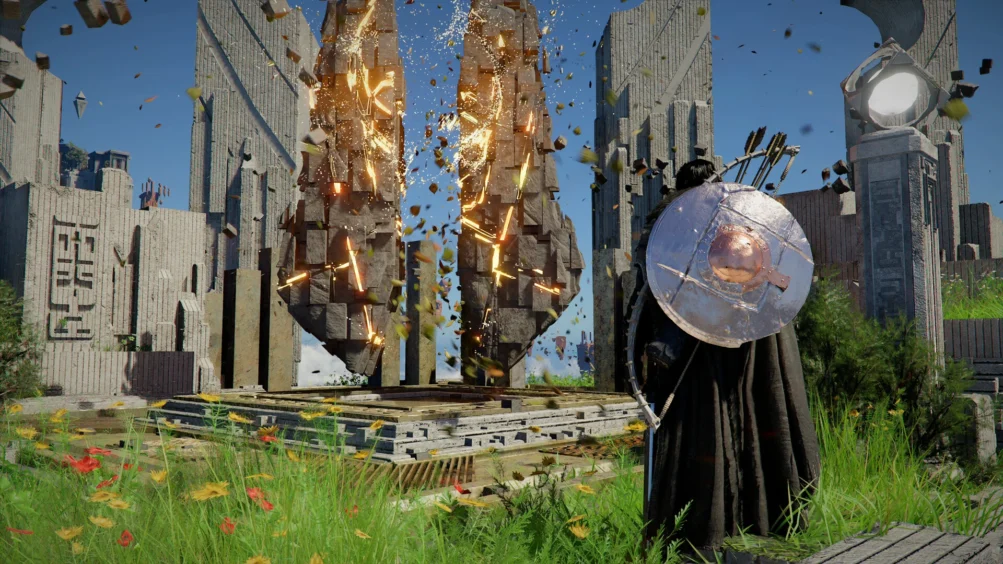
It’s also packed with environmental puzzles and hidden systems, including ancient mechanisms, weather or physics-based obstacles, and rewards for thinking creatively rather than just brute force. Exploration frequently loops into story threads and side content, giving meaningful reasons to explore every nook of Pywel.
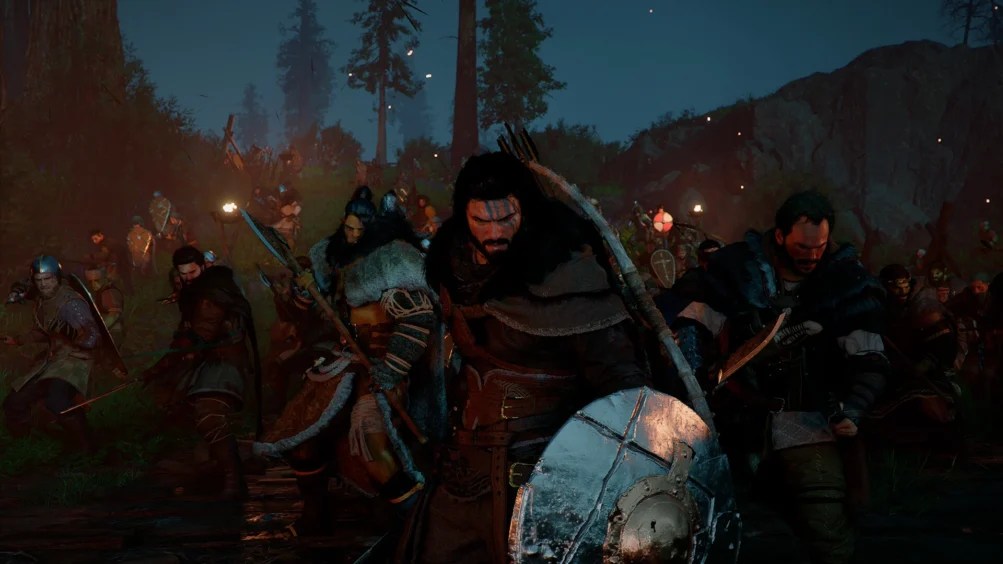
Characters — More Than Just Kliff
One of Crimson Desert’s biggest shifts from the “blank slate protagonist” model is the fact that you don’t customise your own face or origin story — you play as established heroes with distinct combat staples and roles.
Here are the main playable trio:
Kliff Macduff
- Role: Main protagonist, leader of the Greymanes.
- Playstyle: Balanced — versatile with swords, shields, polearms, bows, and more.
- Narrative: Central to story progression and the characters you unlock.
Damiane
- Role: Agile, swift fighter.
- Playstyle: Fast combos with greatsword and ranged magic/pistol attacks — more technical and movement-focused.
- Utility: Can glide and has unique traversal skills tied to her mobility.
Oongka
- Role: Heavy hitter tank.
- Playstyle: Slow, devastating attacks with massive weapons, great at crowd control.
- Strengths: Brutal, punishing strikes that make you feel like a force of nature.
Each has a distinct combat feel and progression — not just palette swaps — and you unlock them at different story points so that switching feels meaningful rather than random. The differences extend beyond combat: some traversal options, puzzle access, and environmental interactions vary per character, giving each playthrough a unique perspective.
Base Building & Greymanes Camp
Beyond combat and exploration, one of the most satisfying layers of Crimson Desert is managing the Greymanes’ base. As you progress, you gain the ability to expand and upgrade your camp, which becomes central to both story and gameplay.
- Structures matter: From workshops and armories to farms and trading posts, every building provides tangible benefits — faster gear upgrades, better consumables, or access to new resources.
- Mission system: You can send allied Greymanes on supply runs or combat missions, rewarding resources, materials, and occasionally rare loot.
- Customization & growth: Decorations and structural upgrades aren’t just cosmetic; they influence efficiency and resource management. You can track progress visually, giving a real sense of accomplishment as the camp grows with you.
Skills & Leveling Up
Character progression goes beyond simple XP gains. Each protagonist has unique skill trees that complement their combat style:
- Kliff: Balanced fighter with versatile sword, polearm, and ranged abilities. Unlocks moves that let him chain heavy and light attacks fluidly.
- Damiane: Agile and technical; her skills focus on speed, dual-wielding, gliding, and ranged magic/pistol combos.
- Oongka: Tanky powerhouse; unlocks devastating area attacks and crowd control, ideal for punishing large groups of enemies.
Leveling isn’t just about combat. Exploration, solving environmental puzzles, completing side content, and discovering hidden areas all feed into unlocking skills and boosting stats, encouraging curiosity rather than grinding alone.
Storage? What Bloody Storage
Inventory quickly becomes a juggling act in Crimson Desert. At launch, there’s no real stash or chest system — everything you collect dumps straight into Kliff’s limited inventory, which only grows slowly. That means excess weapons, armour, crafting materials, and other loot pile up with nowhere safe to keep them. Supply Chests do exist, but they’re barely a solution, only catching unclaimed drops from certain events and offering no way to organise or store your own gear. Though as of patch 1.00.03 Pearl Abyss has added extra storage to Howling Hill Camp.
Graphics & PC Performance — This Is Why You Play on PC
When Crimson Desert is cranked to higher settings, it legitimately looks next gen.
Lighting feels natural and grounded, not overdone. Textures, effects, and particle systems — especially in combat — are intensely detailed. Draw distances remain crisp across massive vistas, and dynamic weather adds mood and tension to your surroundings.
Performance is surprisingly solid for a world this big. With things like DLSS and frame generation in play, you can get high settings while keeping consistent frame rates — something not every big open world title manages without major sacrifices.
There are minor visual glitches (pop-in, texture hiccups), but nothing that kills the overall immersion. When everything’s firing — combat, weather, traversal, mounts — this is the kind of game that truly feels justified being on PC first.
Story — Strong Setup, Not Always the Centerpiece
Crimson Desert doesn’t waste time easing you in. You’re thrown straight into a world that’s already falling apart, playing as Kliff — a mercenary who’s just watched the Greymanes, his own company, get torn to pieces in an ambush he never saw coming. What follows isn’t some neat revenge arc. It’s Kliff trying to scrape together whatever’s left, track down anyone who survived, and figure out whether there’s still something worth fighting for. That personal drive is what keeps the whole journey grounded.
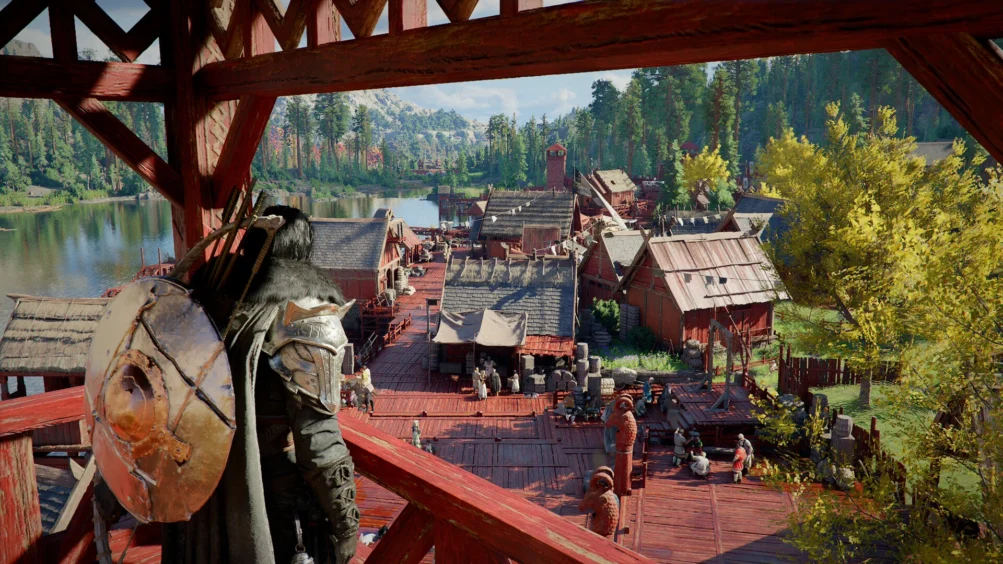
But the story doesn’t stay short lived for long. As you push through games many enviroments to cities, farms, villages not to mention a whole desert region that feels like they’re barely holding themselves together, it becomes obvious that Pywel’s problems run way deeper than Kliff’s. Factions are at each other’s throats, wars are brewing, and there’s this constant sense that something darker is moving behind the scenes. The whispers about the Abyss — whatever it is — give the whole thing a heavier, stranger edge.
That big scope is a blessing and a curse. On the good side, wandering around and meeting new characters feels genuinely fun, and a lot of Kliff’s personal moments hit harder than you’d expect. But the way the game dishes out quests can be all over the place. Sometimes you’re pulled into side missions that don’t add much, or you hit a story beat that feels disconnected from what you were just doing. It’s not bad — just feels odd.
So yeah, there is a strong story here: a guy trying to rebuild after everything goes wrong, set inside a world that’s barely holding together itself. Some moments land beautifully. Others feel like padding. If you enjoy exploring and stitching the story together on your own terms, it works. If you want a tight, clean narrative from start to finish, it’s a bit rough around the edges.
Controls – Controllers are a mess, Saving Grace, Keyboard and Mouse.
Here’s the thing about Crimson Desert: the game clearly wants to do a lot. Combat, traversal, mounts, grapples, all those flashy special moves — it’s ambitious. And you can feel that ambition in the controls. But wow, it doesn’t always make life easy.
If you’re using a controller, the layout mostly works, but you’ll be juggling triggers, face buttons, and shoulder combos just to pull off basic combos. Double-tap sprint? Holding two buttons for an interaction? It’s doable, but it’s not intuitive. Early on, it can feel like the controls are fighting you more than the enemies.
Keyboard and mouse is… mixed. Some people swear by it once they remap a few keys — aiming and camera feel sharper — but the default bindings are a mess. You’ll still find yourself fumbling through actions you should be doing in your sleep.
The community isn’t shy about it either. There’s a lot of “why is this so complicated?” chatter online. And honestly, it’s fair. The game asks a lot of your fingers, and it’s a grind just to feel fully comfortable.
That said, once you get the hang of it, the controls start to click. Combat flows, traversal is smooth, and the game’s depth finally feels earned. But don’t expect an easy ride—Crimson Desert doesn’t do handholding.
The Abyss — More Than Just a Background Threat
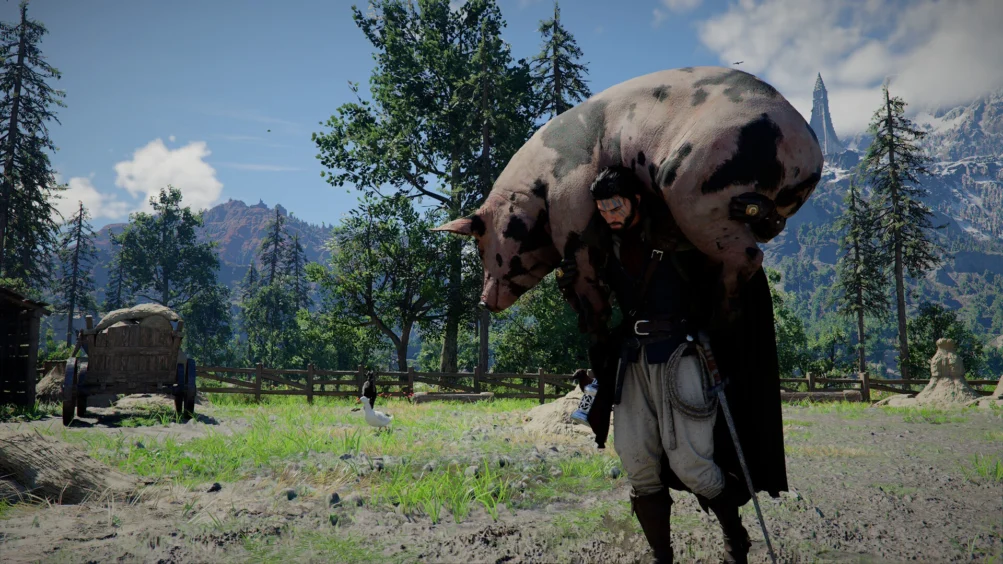
One of the most interesting elements in Crimson Desert’s world is the Abyss, a mysterious force that sits behind much of the game’s larger conflict and lore. It isn’t just a backdrop — it’s woven into both the narrative and the world’s mechanics.
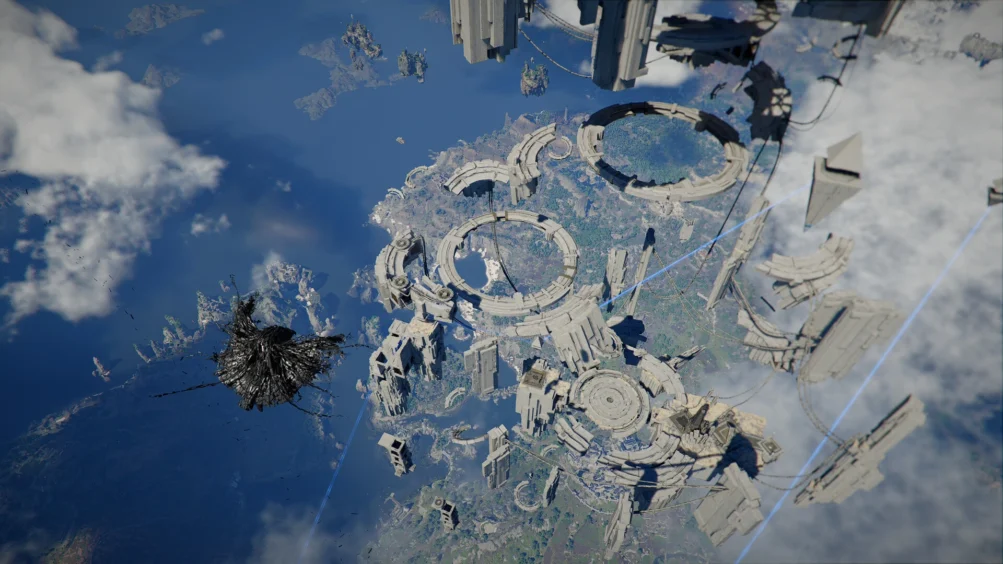
In the story, the Abyss is as a separate realm whose balance has been disrupted, and fragments of its power are falling into the world of Pywel. These fragments aren’t just cosmetic: they’re tied to the game’s progression and story beats — many abilities and upgrades come from discovering or confronting them, and the imbalance is hinted at being behind the chaos sweeping the continent.
This gives the story a broader purpose beyond simple faction squabbles. As Kliff works to rebuild the Greymanes and navigate political warfare, he also starts uncovering how the Abyss ties into Pywel’s survival — and how certain groups want to exploit these fragments for their own goals. Eventually, restoring some form of balance to the Abyss becomes one of the larger threads pulling you through the game’s main story arc.
On the gameplay side, the Abyss isn’t just lore — it’s very relevant. You’ll encounter Abyss‑linked locations during exploration, and these often unlock new fast‑travel points or pathways once you interact with them. Those interactions can involve puzzles, challenges, or atmospheric cues that make the Abyss feel like a real part of the world instead of just story text.
So… What Is Crimson Desert Really?
After significant playtime, the best way to describe this game is:
A massive, character-driven open world where traversal, combat, exploration, base building, and skill growth matter just as much as the story itself.
It blends:
- Action-heavy melee and ranged combat
- Deep, physics-driven traversal
- Multiple playable protagonists with distinct styles
- Base building, skills, and leveling systems tied to Greymanes camp
- Side quests, puzzles, and world systems that reward curiosity
- A sprawling continent full of secrets and vertical opportunities
It’s ambitious in a way few open-world games attempt — and because of that, it doesn’t always feel perfectly polished. But it feels alive, and that matters.
Verdict — Not Perfect, But Bloody Impressive
Crimson Desert isn’t a tidy, ultra-focused RPG. It’s rough around the edges, chaotic by design, and absolutely full of ambition.
That ambition can feel overwhelming at times, and some systems like camera control or story pacing could use refinement.
But when everything clicks — traversal, combat, world exploration, base building, and character play — Crimson Desert delivers moments that feel genuinely next gen rather than just big.
On PC, in particular, this is a world worth diving into. Whether you’re toggling between Kliff, Damiane, or Oongka, swinging across valleys with a grappling hook, riding dragons over ancient ruins, or managing your Greymanes camp — this game does more than most open world titles dare.
Crimson Desert Launch Trailer
Read more awesome reviews >>here<<.
The game was provided to us for the express purpose of reviewing.
The review was written by me and edited by my partner.