
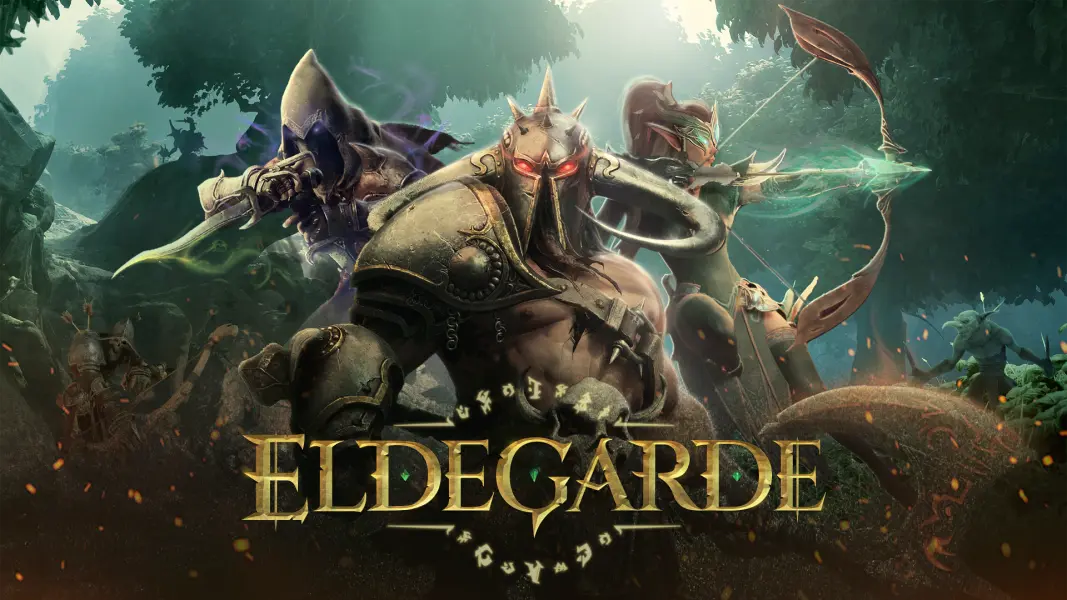
When Eldegarde exited Early Access in January 2026, it was clear this wasn’t chasing the Soulslike crowd or trying to be the next cinematic, story-heavy RPG. Instead, Notorious Studios set its sights on something far more niche — a third-person fantasy action RPG built around PvE, competitive PvP, and tense, high-risk extraction gameplay where every run can either build your power or wipe out your progress.
This isn’t a slow, lore-heavy adventure through a dying kingdom. Eldegarde is about tension, loot, builds and survival. You enter hostile zones, fight monsters, collect gear and attempt to extract safely — all while other players are doing exactly the same thing.
It’s an ambitious hybrid. And while it doesn’t always land perfectly, there’s no denying it does something genuinely interesting within the fantasy RPG space.
What Eldegarde Actually Is
Eldegarde is a third-person action RPG featuring three core modes:
- PvE Expeditions – Cooperative monster-focused runs.
- PvPvE Extraction – High-risk runs where players compete for loot and must extract safely.
- Arena PvP – Direct player combat without loot loss.
You can play solo or in groups of up to three players. The extraction mode is the heart of the experience. Venture too deep without planning and you risk losing everything you’ve collected. Extract successfully and your power grows.
This loop gives Eldegarde its identity. It’s not trying to be a cinematic RPG. It’s trying to be a tense, repeatable, high-stakes fantasy experience.
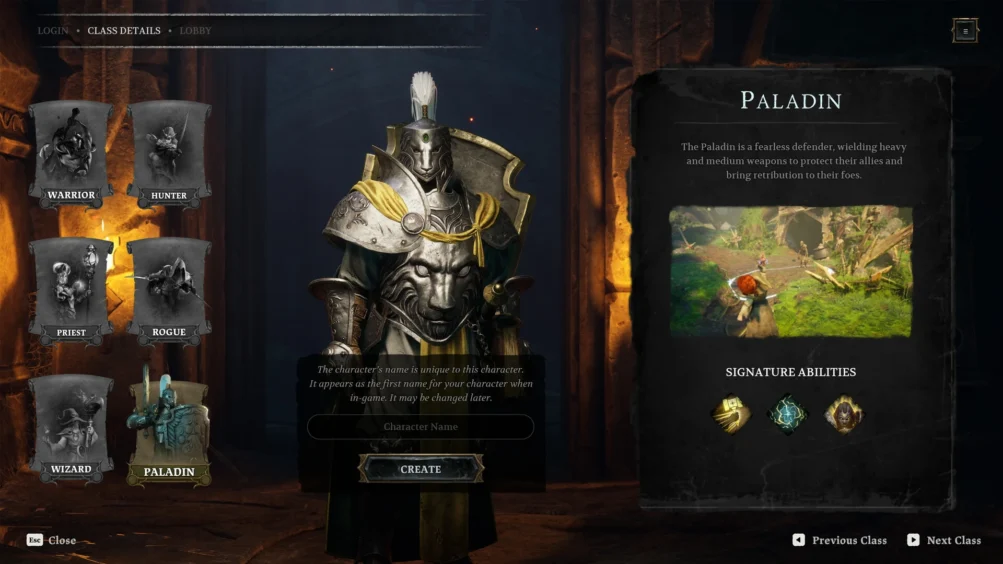
Six Classic Classes With Distinct Roles
At launch, Eldegarde features six playable classes:
- Warrior
- Rogue
- Hunter
- Priest
- Wizard
- Paladin
When I first tried the classes in Eldegarde, it quickly became clear that each one plays very differently. Warriors and Paladins are solid in the thick of things—they can take a hit and hold the front line without too much fuss. Rogues, on the other hand, are all about quick bursts and clever positioning, which makes them fun but easy to mess up if you overextend. Hunters feel really satisfying at range; I spent a few runs picking off enemies from afar and feeling like I was actually controlling the battlefield. Priests are lifesavers in longer fights, keeping the group alive just long enough to push through, while Wizards hit hard, but one misstep and you’re suddenly on the floor.
What really stood out to me was how much team composition actually matters. In one chaotic PvPvE run, our group of a Warrior, a Hunter, and a Priest managed to completely outplay a disorganized squad of solo players. It wasn’t just about abilities—it was timing, positioning, and knowing when to back off.
Balance can be frustrating, though. Some builds paired with high-tier gear definitely dominate in PvP, which I noticed the hard way a few times. The developers are patching and adjusting regularly, but it’s still something the community talks about constantly
Combat – Weighty but Not Always Polished
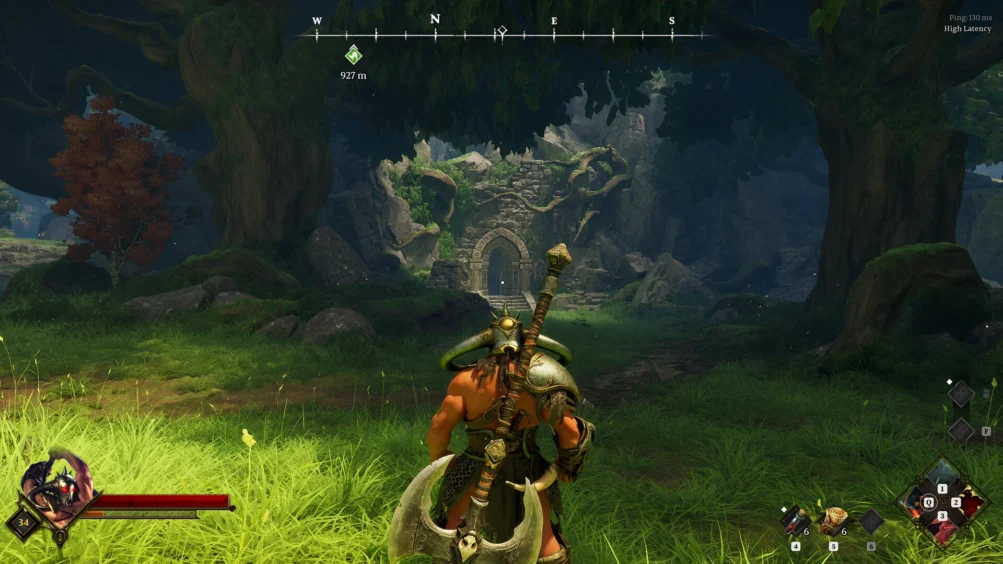
Combat in Eldegarde is ability-driven rather than stamina-locked Soulslike precision. You manage cooldowns, positioning and timing instead of strict stamina bars.
Melee combat has satisfying impact, but responsiveness can occasionally feel slightly heavy. Ranged classes tend to feel smoother in comparison. Skill usage, especially in PvP, becomes about reading enemy cooldowns and baiting defensive abilities.
Where Eldegarde shines is in the chaos of multi-party fights. PvPvE moments — where monsters and rival players collide — create unpredictable, adrenaline-fuelled encounters. These moments are where the game feels truly alive.
That said, technical rough edges do appear. Players have reported UI clunkiness, occasional performance instability and quality-of-life frustrations, particularly around inventory management.
The Extraction Loop
The defining feature of Eldegarde is its extraction system.
You enter a zone, defeat enemies, gather loot, complete objectives and then attempt to escape at designated extraction points. If you die before extracting, you lose what you carried in.
This system creates real tension. Every decision matters:
- Do you push deeper for better loot?
- Do you extract early and secure safe gains?
- Do you hunt other players or avoid them?
For players who enjoy risk-versus-reward mechanics, Eldegarde delivers genuine stakes. But it can also be punishing. Newer players entering with weaker gear may struggle against veterans, especially during peak PvP hours.
The addition of a dedicated PvE mode at full launch was a smart move, allowing players who prefer monster-focused gameplay to avoid constant PvP pressure.
World Design and Presentation
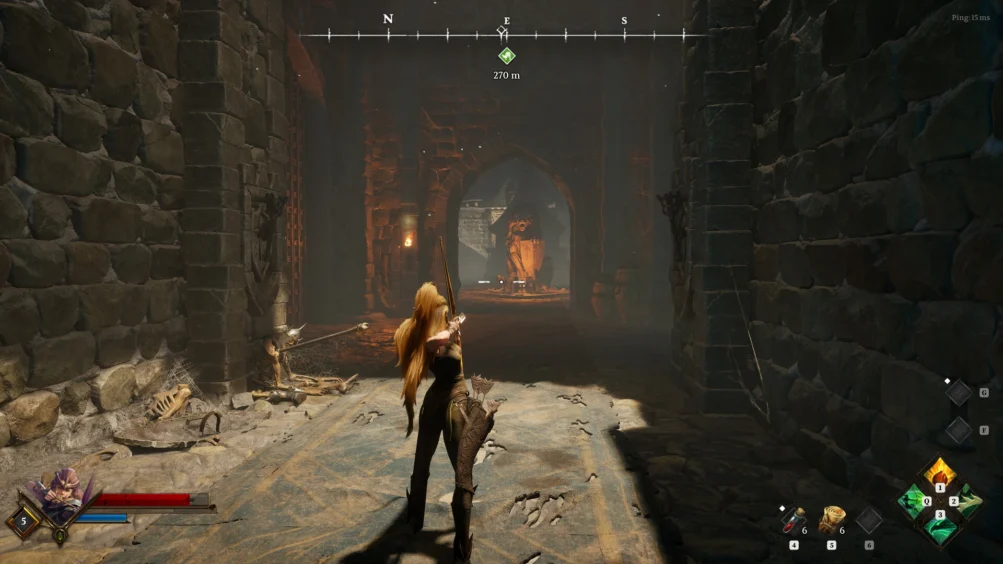
Honestly, Eldegarde’s visuals aren’t going to make anyone drop their jaw, but I actually liked them more than I expected. The forests, dungeons, and monsters all feel classic high-fantasy, nothing groundbreaking, but they’re solid enough that you can get absorbed for hours. I spent a run in the Frosted Ruins and, for a moment, I totally forgot I was farming loot—the flickering torches and shadows actually made me tense, even if later rooms started looking kind of samey.
The world isn’t a single open map, which I thought might feel restrictive at first. But it actually works in favor of the extraction runs. You know where the good loot is, you know roughly where the enemies hang out, and that tension when you’re trying to grab something and make it out alive? It actually makes the game exciting in a way a big open world sometimes doesn’t.
Graphically, it’s solid without trying too hard. Spell effects and lighting pop enough to make fights feel satisfying, even if the background scenery repeats a bit after a while. Nothing here is going to win awards, but it’s functional and clean—you can play for a few hours without your eyes glazing over.
The audio is similarly understated but effective. Combat sounds hit hard, which is nice, and the ambient stuff actually makes the world feel alive. I like that the soundtrack isn’t overly dramatic or trying to boss you around emotionally. During a tense extraction when I got ambushed, the audio really added to the panic—I even laughed when I tripped over a corner trying to dodge a Rogue.
In short? It’s not flashy, but Eldegarde’s visuals and audio do their job, and with a bit of patience, they can actually make some runs surprisingly memorable.
Progression, Lodge System and Crafting
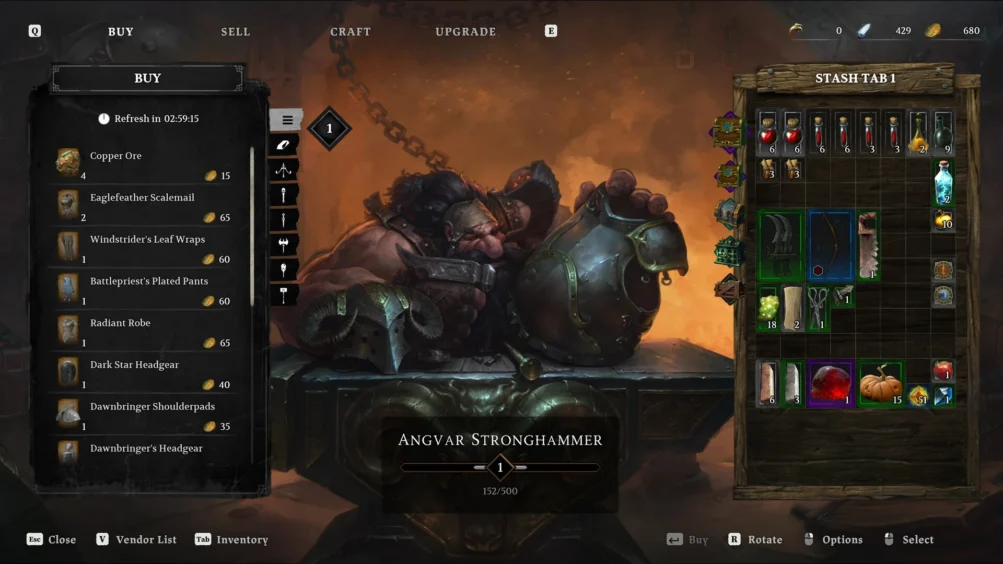
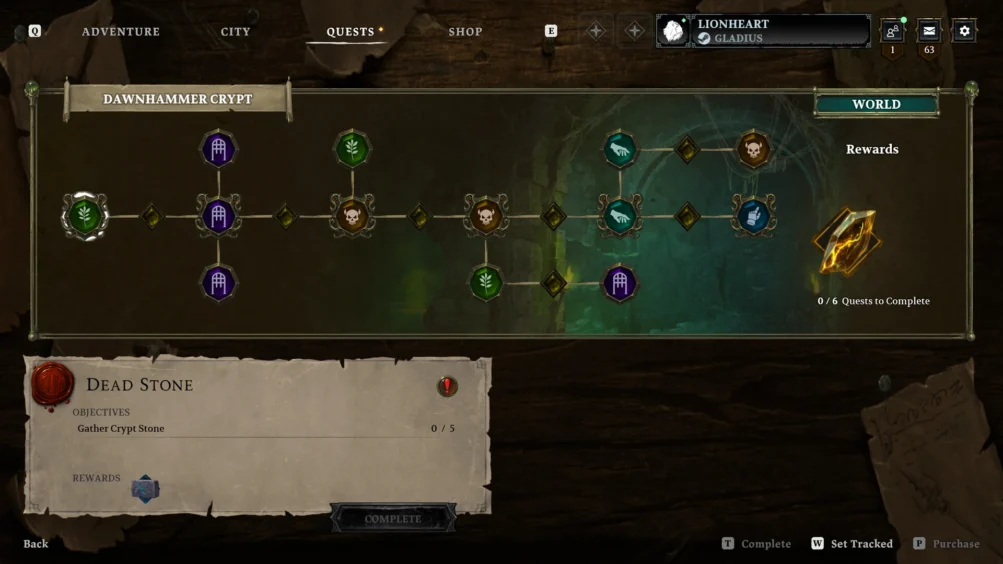
Outside of combat zones, players manage a personal lodge area where vendors, crafting systems and progression mechanics unfold.
Vendor reputation unlocks recipes and upgrades. Crafting allows players to improve equipment. Seasonal progression systems encourage repeat engagement.
However, seasonal wipes can divide opinion. For competitive players, resets keep the playing field fresh. For casual players, losing long-term progress can feel discouraging.
This design decision reinforces Eldegarde’s identity as a service-style PvPvE game rather than a one-and-done RPG campaign.
Community Reception and Ongoing Support
Community reaction since launch has been mixed but cautiously optimistic.
Players praise the core concept, class identity and tension of the extraction loop. Criticism often centres around UI polish, matchmaking consistency and balance tuning.
The positive sign is that Notorious Studios has demonstrated responsiveness to feedback, particularly with the addition of the dedicated PvE mode and ongoing balance patches.
The long-term success of Eldegarde will depend heavily on continued support, player population stability and competitive balance improvements.
Inclusion and Accessibility
Eldegarde offers character customisation across different body types and appearances, though it remains relatively standard in scope.
Accessibility options are present but not extensive. UI clarity remains one of the more frequently discussed pain points, and further improvements here would broaden appeal.
Representation within the fantasy setting feels natural and integrated rather than tokenistic, aligning with genre expectations.
Final Verdict
Eldegarde is not a traditional narrative RPG. It is not a Soulslike. It is not trying to be a cinematic epic.
It is a fantasy extraction RPG built around tension, loot, builds and competitive risk.
At its best, Eldegarde delivers genuinely exciting PvPvE encounters that few fantasy RPGs currently offer. Its class variety and extraction mechanics provide strong replay value. However, balance inconsistencies, UI roughness and technical edges prevent it from reaching its full potential.
For players who enjoy high-risk loot systems and competitive fantasy combat, Eldegarde is worth your time. For those seeking a polished, story-driven RPG adventure, this may not be the experience you’re looking for.
Eldegarde Trailer
Read more awesome reviews >>here<<.
The game was provided to us for the express purpose of reviewing.
The review was written by me and edited by my partner.



You must be logged in to post a comment.