

Spending time with No Rest for the Wicked on PC feels a bit like arriving halfway through a storm. You can tell something heavy has already happened, something worse might still be coming, and nobody you meet is entirely convinced things will end well.
That tone is intentional, and it runs through almost every part of the game. This isn’t a Soulslike chasing difficulty for bragging rights, and it’s not an action RPG trying to drown you in loot either. Instead, No Rest for the Wicked sits in an awkward, interesting space between the two — and Early Access makes that balancing act very visible.After putting time into No Rest for the Wicked via Steam on PC, and revisiting it following the latest updates, including the introduction of co-op play, it’s clear this is a game still being shaped in public. Some systems already feel confident. Others feel like they’re waiting for the final layer to click into place.
First Impressions on PC: Weight Comes Before Speed
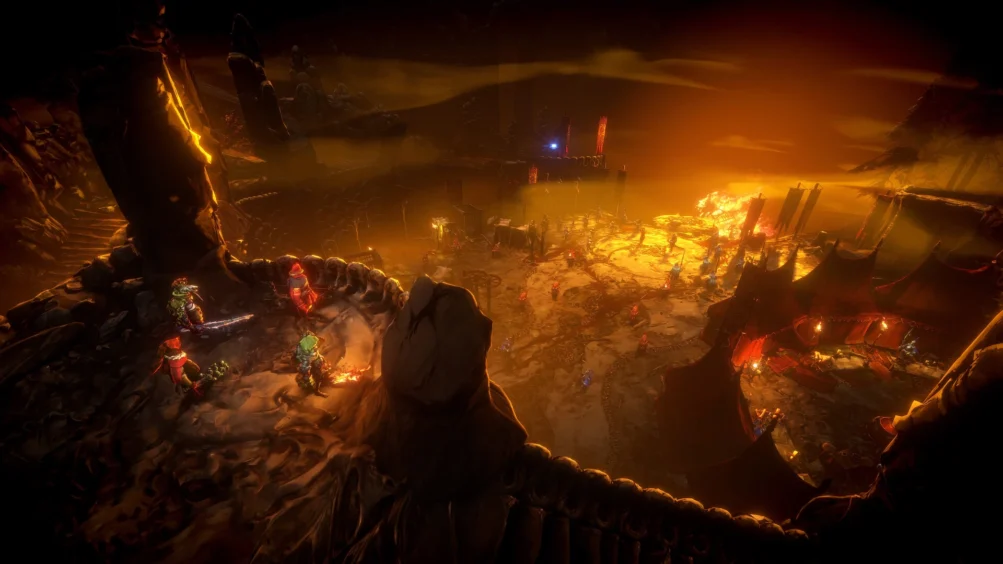
The first thing that hits you isn’t the combat or the difficulty — it’s the weight. Movement has heft. Attacks commit you fully. Stamina drains faster than you expect, and recovers slower than you want. If you come in expecting something fast or flashy, the game pushes back almost immediately.
On PC, this weight translates well, especially with a controller. Keyboard and mouse are perfectly usable, but there’s no hiding the fact that analogue movement suits the game better. Positioning matters constantly, and small adjustments can mean the difference between scraping through a fight or eating the floor.
What surprised me early on is how readable combat feels despite the isometric view. Enemies telegraph clearly. You can usually tell why you died, even if you don’t like the answer. It’s rarely cheap — more often it’s you being greedy, impatient, or simply tired.
Combat Isn’t Here to Impress You
There’s nothing showy about the combat system, and that feels deliberate. Attacks don’t come with exaggerated effects or over-the-top animations. Instead, combat is blunt, practical, and often uncomfortable.
Fighting one enemy can feel tense. Fighting two can feel risky. Fighting three without a plan usually feels like a mistake.
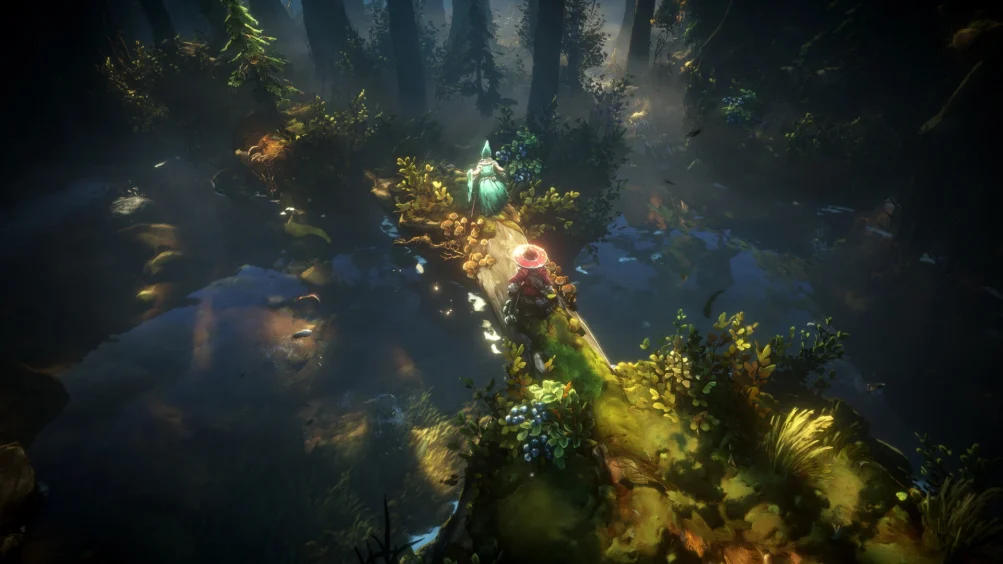
No Rest for the Wicked does something a lot of action RPGs avoid: it teaches you to slow down. You don’t rush rooms. You don’t mash through encounters. You start paying attention to doorways, corners, elevation, and stamina in a way most games quietly train you not to.
Backing off matters here. Retreating isn’t failure — it’s often the correct call.
Builds Feel Organic, Not Locked In
Character building in Early Access is refreshingly flexible. There are no rigid classes locking you into a role. Instead, your build emerges naturally through equipment choices and stat investment.
You experiment early without really thinking about it. A weapon drops and you try it. Stamina becomes a priority because you keep running out. Armour choices shift because survivability suddenly matters more than damage.
It doesn’t feel like you’re chasing an optimal build yet, and that’s a good thing. For now, the system rewards curiosity more than efficiency.
A World That Feels Hostile, Not Grand
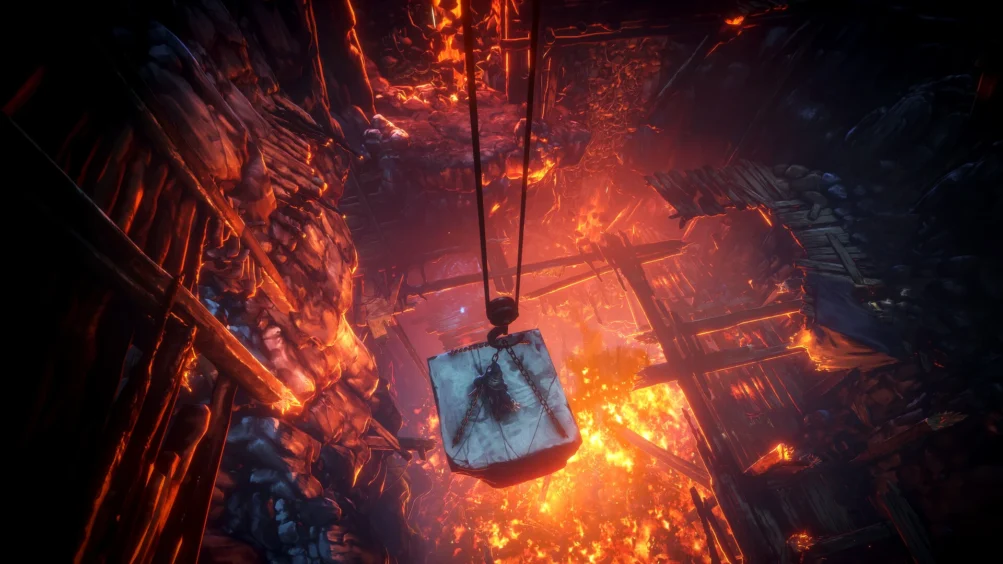
The world of No Rest for the Wicked isn’t built to impress you with scale. It’s built to make you uncomfortable. The painterly art style gives environments a worn, decaying quality, and towns feel strained rather than safe.
On PC, the game looks sharp without demanding extreme hardware. It’s not photorealistic, but lighting, animation, and colour do enough to sell the mood. Exploration is slow, cautious, and often tense.
The game doesn’t explain itself much, and it doesn’t rush to make you feel clever either. You learn by failing, watching, and paying attention.
Co-Op: A New Layer, Not a Safety Net
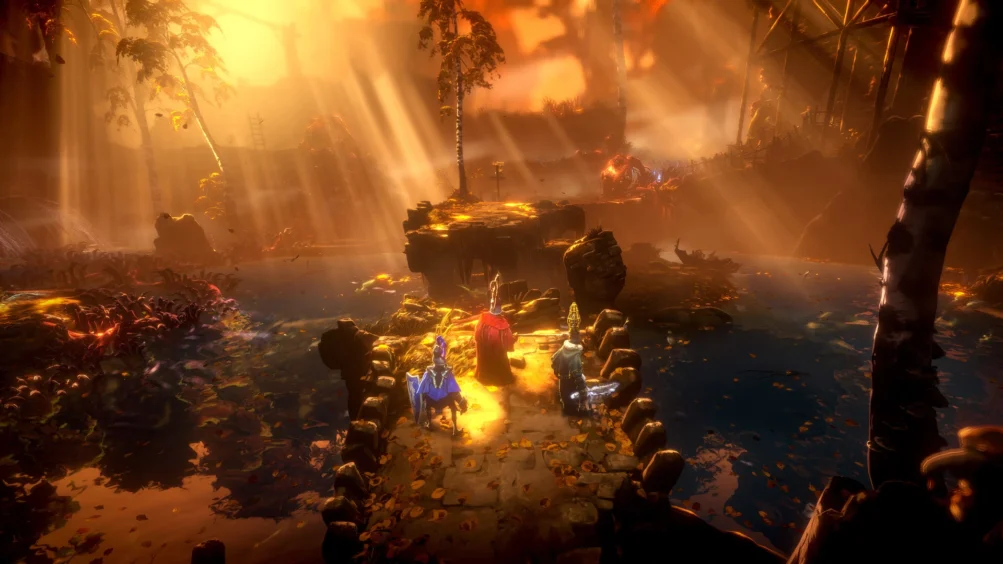
The latest update to No Rest for the Wicked introduces co-op, and is easily the biggest shift so far, and it changes the feel of the game in subtle but important ways.
Playing with a friend doesn’t make the world suddenly feel safe. Enemies still hit hard. Resources still matter. Death still happens quickly. What co-op really changes is the emotional pressure.
Solo, the game feels oppressive. In co-op, it feels tense but shared.
Combat becomes more about coordination than perfection. One player pulls attention while the other recovers. Mistakes don’t immediately end runs, but they still cost you. Communication matters.
Crucially, co-op doesn’t undermine the game’s identity. It doesn’t turn encounters into power fantasies. It just gives you another way to survive them.
Co-Op Still Feels Like It’s Settling In
This is still Early Access, and co-op feels like a system finding its rhythm. Balance is clearly being tuned. Some encounters feel better solo, others open up when tackled together.
Progression remains largely individual, which avoids one player carrying the entire experience, but it also means co-op feels more like shared sessions than shared ownership of the world.
For now, that feels like the right call.
Systems That Hint at Something Bigger
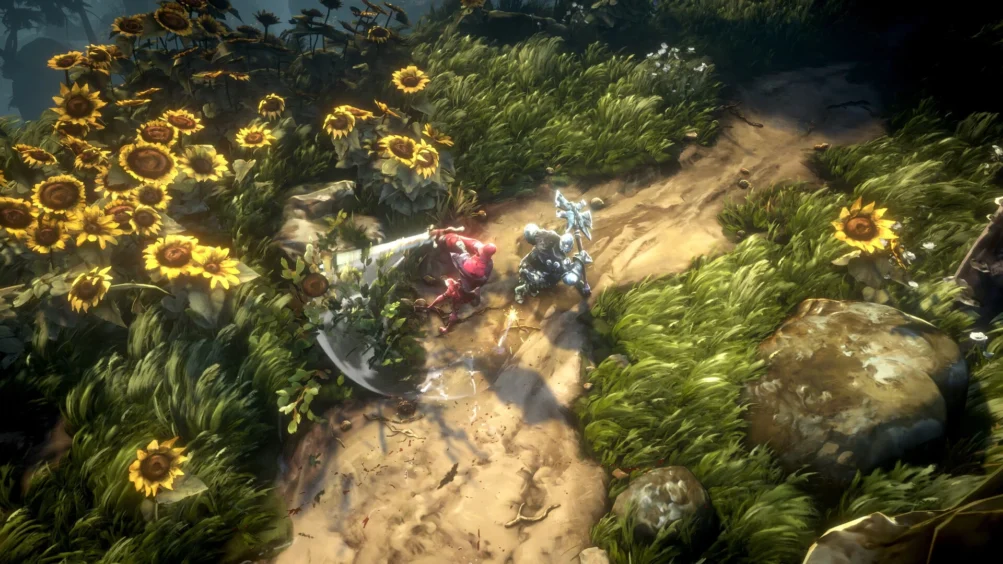
Beyond combat, No Rest for the Wicked is quietly building a deeper RPG foundation. Crafting, gear upgrades, resource management, and housing all feed into a sense of long-term investment.
These systems aren’t fully realised yet, but they already feel purposeful. Equipment matters. Resources feel scarce enough to care about. Downtime between runs feels intentional rather than filler.
On PC, clean menus and responsive navigation make managing these systems far less frustrating than they could have been.
Performance and Feel on PC Right Now
Performance on PC is mostly solid. Frame pacing is generally stable, load times are reasonable, and crashes are rare, though optimisation is clearly ongoing.
Higher-end systems have the smoothest experience, while mid-range PCs may need to tweak settings. Nothing feels broken, but it does feel unfinished — which is expected at this stage.
Where This Leaves No Rest for the Wicked
The strongest impression after spending time with No Rest for the Wicked in Early Access is confidence. This is a game that knows the mood it wants, the pace it wants, and the audience it’s aiming for.
It isn’t finished. Some systems need work. Co-op is new and evolving. But the foundation is solid, and the direction feels clear.
If you enjoy watching a game take shape and don’t mind rough edges, there’s already something compelling here. And with co-op now in the mix, it’s no longer an experience you have to face entirely alone — even if the world still wants you to feel like you’re barely surviving.
Read more awesome previews >>here<<.
The game was provided to us for the express purpose of reviewing.
The review was written by me and edited by my partner.



You must be logged in to post a comment.