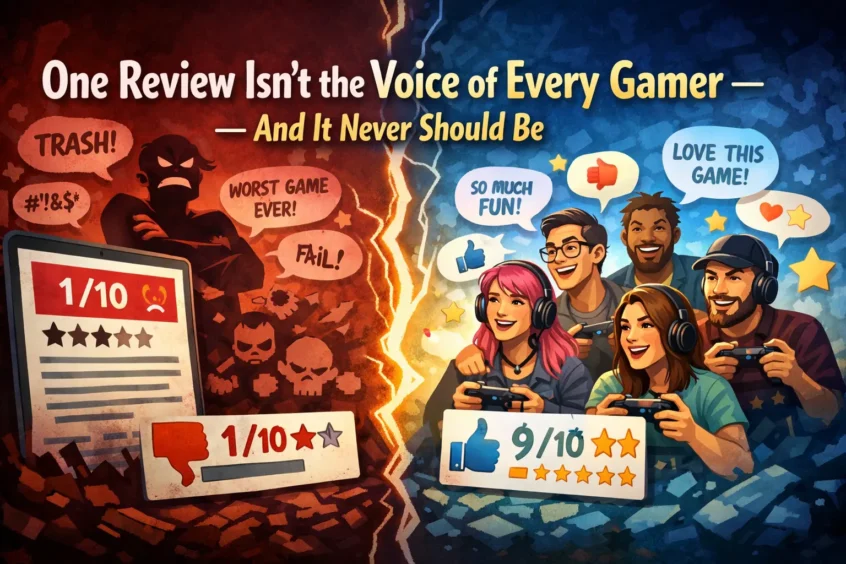
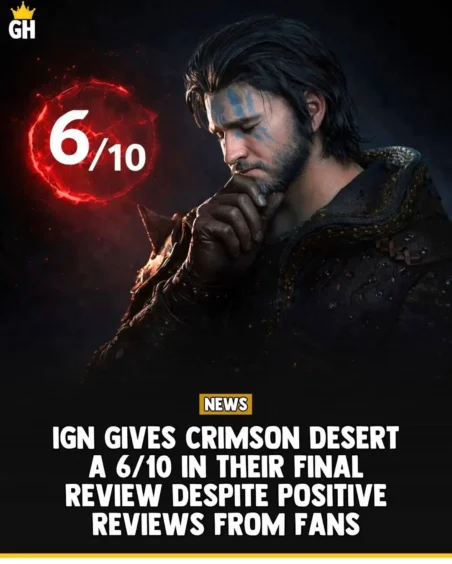
There’s been a lot of noise lately around IGN giving Crimson Desert a 6/10. Scroll through social media, and you’ll see the same argument over and over again: “They should listen to gamers” or “How can they score it that low when fans love it?”
But let’s be real for a second — that argument completely misses the point of what a review actually is.
A review is one person’s opinion. Not a committee decision. Not a company-wide vote. Not a reflection of every player’s experience. Just one individual, sitting down, playing the game, and sharing how it felt to them.
That’s it.
The idea that a reviewer should somehow adjust their score based on what the wider community thinks is honestly, backwards. If critics just echoed whatever the loudest voices online were saying, reviews would become completely pointless. You wouldn’t be getting insight — you’d just be getting an average of internet noise.
And that’s not helpful to anyone.
Hype Doesn’t Equal Objectivity
Another thing people don’t want to admit is that fan reception isn’t always objective. Hype, expectations, and emotional investment massively shape how players feel about a game.
When you’ve been waiting years for something like Crimson Desert, you’re far more likely to overlook flaws or focus on what it could be rather than what it actually is right now.
A reviewer, on the other hand, is supposed to step back from that and judge the full experience — good and bad.
Disagreement Is a Good Thing
If every review matched what the majority thought, the industry would be incredibly dull. No debate, no discussion, no different perspectives — just safe, predictable scores.
Disagreement is what keeps gaming conversations interesting. It’s what helps people decide if a game is right for them, not for everyone else.
You don’t read one review and treat it as gospel — you read multiple perspectives and make up your own mind.
It’s Not “IGN vs Gamers”
What’s more frustrating is how quickly people jump from disagreeing with a score to discrediting an entire outlet. Saying “IGN gave it a 6/10” as if that represents every writer, editor, and reviewer there is just misleading.
It’s not “IGN vs gamers” — it’s one reviewer sharing their take.
That distinction matters.
The Clickbait Problem
Let’s not ignore the bigger picture here either — posts like this, especially from pages like GamingHero, thrive on outrage.
Turning a single score into “reviewers vs gamers” is the easiest way to farm engagement. It’s designed to get people angry, get them commenting, and keep the argument going.
It’s not about the score — it’s about the reaction.
And honestly, that says more about the post than the review itself.
Final Thoughts
At the end of the day, you don’t have to agree with a 6/10. You can think it’s too low, too harsh, or completely off the mark. That’s your opinion — and it’s just as valid as the reviewer’s.
But trying to force all opinions into one “correct” view? That’s where things fall apart.
Disagreeing with a review is normal. Acting like it shouldn’t exist because it doesn’t match your opinion isn’t.
You don’t need reviews to agree with you — you need them to be honest.
And honesty doesn’t come from following the crowd.
If you enjoy games and gaming and want more NEWS from the Gaming World Click Here