
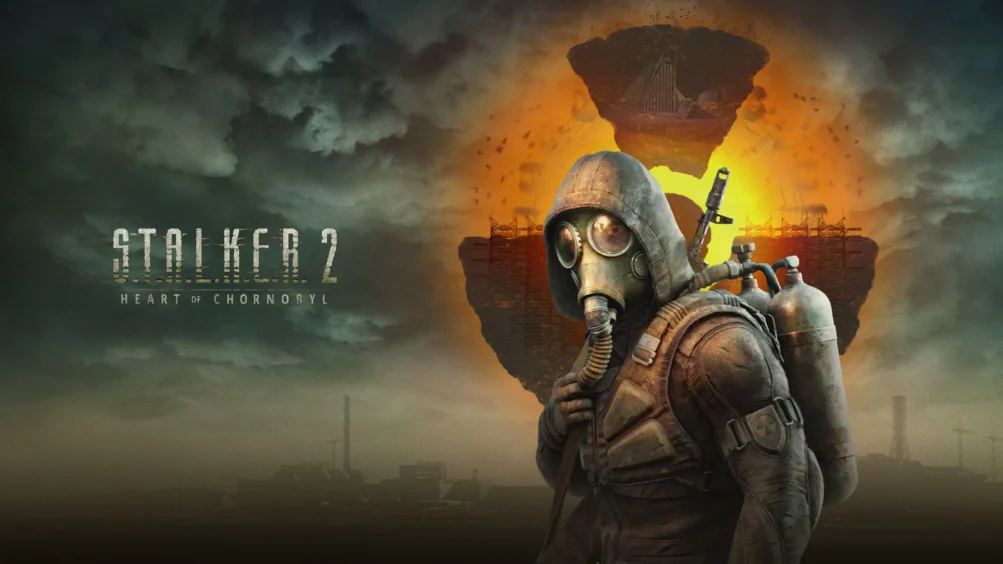
I’ll be straight up: S.T.A.L.K.E.R. 2: Heart of Chornobyl is one of the craziest game experiences I’ve had in a long time. You stroll into it knowing it’s been hyped forever, thanks to the original game being so good, a sequel to a beloved cult classic, finally arriving after years of delays, cancellations, and an absolutely insane development history. It’s a huge deal. And yet, from the very first minutes of playing, you kind of realise you’re in for something a bit messy and oddly personal — like a piece of art someone stubbornly refused to polish off before showing it to you.

The Zone: Beauty and Danger
Let’s start with the setting, because honestly, the world is the reason most of us jumped in.
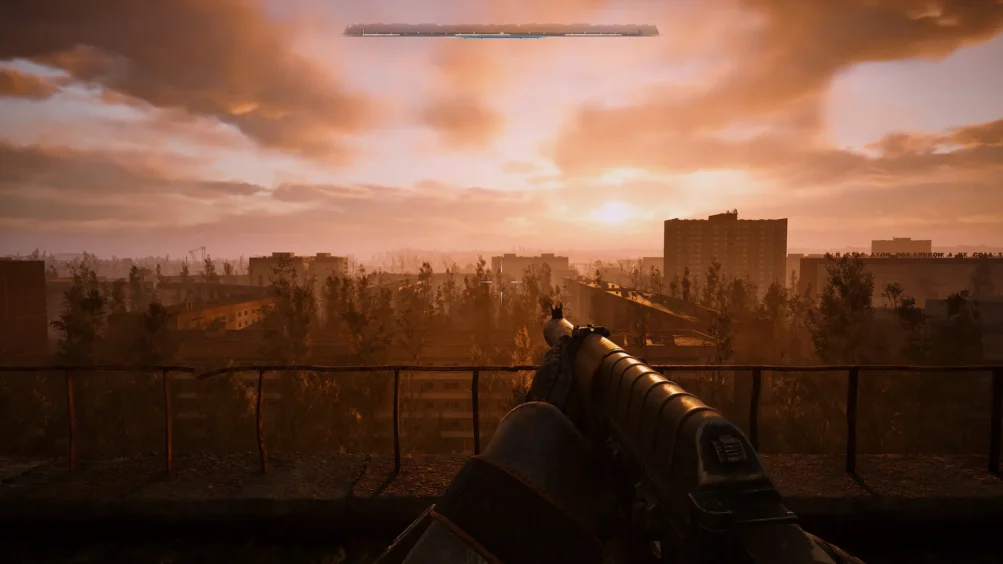
The Zone is a gigantic, irradiated stretch around the Chornobyl Exclusion Zone. It is huge, moody, and sometimes downright breathtaking. It’s that kind of beauty where you could take a morning walk through the foggy marshland, and suddenly the sun breaks through, and it feels almost peaceful and tranquil, until the next mutant jumps out of nowhere and scares the shit out of you.
S.T.A.L.K.E.R. 2‘s visuals are often stunning, with the weather and lighting just adding to the atmosphere that makes things feel tense, unpredictable, but also beautiful.
Survival Mechanics: A Relentless Challenge
Playing as Skif, a former marine drawn back into a life of scavenging and survival, you quickly get a sense of how this game was designed: survival isn’t a gimmick — it’s mandatory. You’re always low on ammo, always weighing up whether each bullet is worth the risk, and often wandering through supposed “safe zones” with the unsettling feeling that something is watching you. That weight, that constant suspicion, is where S.T.A.L.K.E.R. 2 is at its best. It actually feels like you’re in a hostile world that could chew you up on a whim.
The Messy, Unforgiving Design
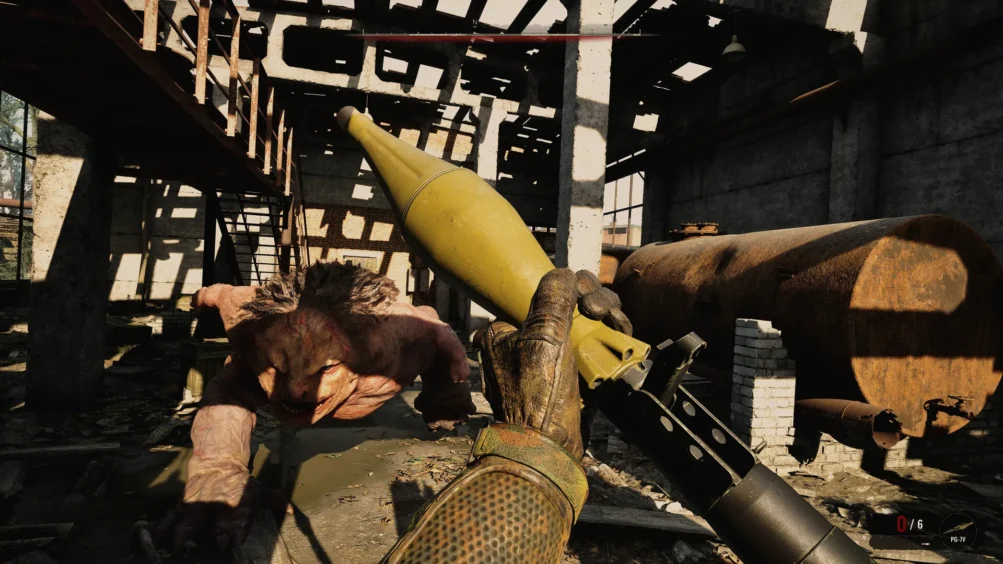
Now — and here’s the messy bit — the game often doesn’t give you the tools you want. I remember early on fighting through foggy ruins with only a flashlight and a half-broken rifle, wishing for binoculars or night vision, anything that would make survival feel a bit fairer. Honestly, the lack of basic tools like that really emphasises how unforgiving the Zone is… but it can also feel like the game forgot they existed. And exposing that question — is this intentional design or accidental frustration? — becomes a theme of the experience.
The bugs, the stutters, the weird NPC behaviours — they become almost part of the identity of the game. One moment, you’re sneaking past anomalies and feeling totally immersed. Next, an NPC is stuck in a wall staring at nothing, and you’re like… “Really?” Players online joke that the game is “unfinished,” and yeah, at times it feels like that.
“Beautiful, Broken Mess”
Honestly, I’ve seen the term “beautiful, broken mess” thrown around a lot in community threads, and I get it. The world is fascinating, but the execution can be a real challenge. Sometimes the frame rate dips, enemies will teleport into view, or an important quest item won’t spawn unless you reload a save. These are things you shouldn’t have to deal with in 2025 — but here we are.
Story Depth and Multiple Endings
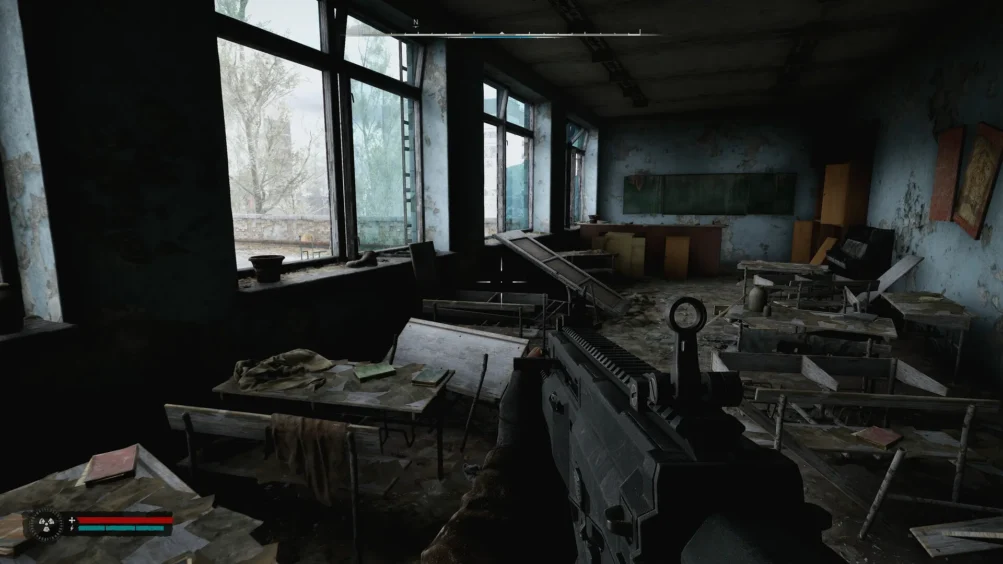
Now, to be fair, there’s a huge story backbone under all that chaos, and it’s one of the more interesting parts. There are multiple endings — four, actually — that depend on the choices you make. So if you’re someone who likes to replay and see all the branches, there’s a lot of extra content here. Some endings leave you isolated forever in the Zone; others warp reality in wild ways. It gives a surprising narrative depth that I honestly didn’t expect from something so rough around the edges.
Combat and AI
Combat itself feels surprisingly nice when it works. Gunplay has a satisfying crunch to it — weapons feel weighty, noise matters, and each encounter keeps you on your toes. But the enemy AI swings wildly — one minute you’ve got mutants leaping at you with eerie precision, the next enemy soldiers completely ignore you while standing in full view. It gives battles a very swingy feel that sometimes works in your favour, but often feels unpredictable in a frustrating way.
Mutants and Creature Design
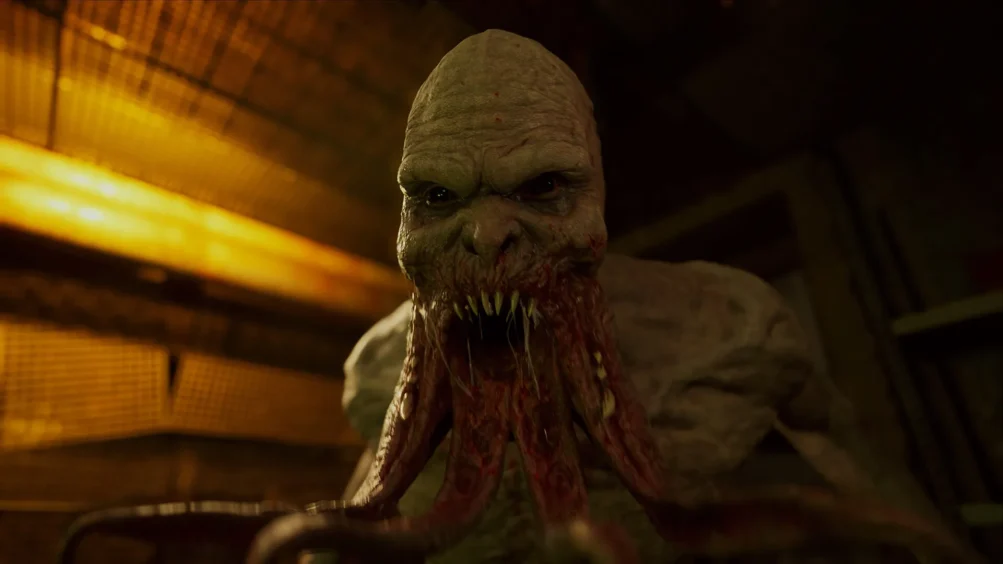
And speaking of mutants — man, S.T.A.L.K.E.R. 2 has some wild creature designs. There’s a type that mimics dogs but creates illusory copies of itself, meaning you have to work out which one is real before it mauls you. There are psychic anomalies that warp the world and zap your health like nothing else. These moments feel genuinely tense and unpredictable, and when they hit right, they’re some of the best parts of the game.
Performance and Technical Hiccups
Now — let’s talk performance. Launch day was rocky, and even now, months after release, there are moments where the game’s optimisation doesn’t quite keep pace with the ambition. Some players have reported frequent crashes, strange lag spikes, and uneven frame rates — especially in built-up areas or when the weather goes wild, which I also experienced on PS5. Part of me feels like these issues are almost thematically appropriate — this is a hostile, unpredictable world — but part of me also wishes that S.T.A.L.K.E.R. 2 just ran better so I could focus more on survival than reloading saves.
The Soul of the Zone
But here’s the thing that surprised me: even with all of that, there’s a real soul to S.T.A.L.K.E.R. 2, That’s not something you can say about every open-world shooter these days. There are moments — quiet, eerie forests, abandoned labs crawling with anomalies, the creak of an empty bus at night — where the atmosphere is so damn convincing you forget about the bugs and just live in the world. I’ve had long sessions where I was fully invested and didn’t want to stop exploring.
Developer Story Adds Weight
The developer story adds a weird emotional heft to it as well. This was made by GSC that kept going despite war, relocation, and personal hardship — some staff even went into military service while working on the game. That knowledge adds a layer of weight to the whole experience, as this game exists in defiance of the chaos it depicts.
Conclusion: Love, Hate, and Everything In Between
So what’s the problem with the game? S.T.A.L.K.E.R. 2: Heart of Chornobyl isn’t perfect. It’s glitchy, rough around the edges, and at times frustratingly inconsistent. But it’s also a massive game, while also being strange, immersive, and a lot of the time brilliant when you let it just be what it is. If you’re the kind of player who likes a survival shooter that tests your patience and rewards your curiosity, there’s something here for you, uneven though it may be.
If you want a smooth, polished AAA experience with flawless execution, this might not be for you. At the end of the day, it’s one of those games that feels alive, even if parts of it are broken. And weirdly enough, that’s part of its charm. You’ll love it, you’ll hate it, and you’ll probably come away talking about it long after finishing.
S.T.A.L.K.E.R. 2: Heart of Chornobyl Trailer
Read more awesome reviews >>here<<.
The game was provided to us for the express purpose of reviewing.
The review was written by me and edited by my partner.



You must be logged in to post a comment.