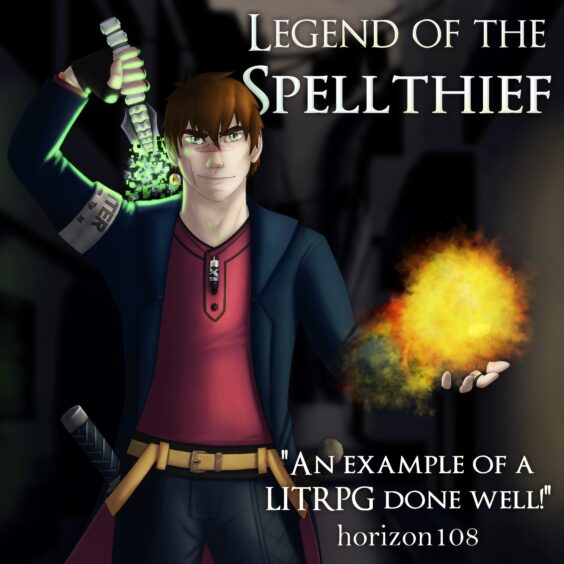
Not all AI image creation is about adult content. In fact, the most sustainable, least risky use of these tools is plain creativity: character design, fashion concepts, story illustrations, moodboards, and stylized worlds that don’t imitate real people. If you want to Generate AI Images in a way that stays fun and drama-free, the secret is simple: keep it fictional, keep it original, and keep it within your real-life values.
This article uses a “creative menu” format: you choose a project type, then follow best practices that protect privacy and avoid ethical pitfalls.
Why “safe creativity” is the future
Creative AI is at its best when it expands your imagination, not your anxiety. People burn out when:
- They create content that feels morally uncomfortable later
- They fear leaks or exposure
- They chase novelty rather than craft
- They build habits that isolate them
Safe creativity keeps you in a healthier loop:
imagine → create → refine → share (optional) → repeat.
Creative Menu: Five projects that work well
1) Character design sheets
Create fictional characters with a consistent style:
- face details, clothing, props
- personality notes
- “day outfit” vs “formal outfit” vs “travel outfit”
Why it’s fun: it feels like building a cast for a series.
2) Romance and cinematic moodboards (non-explicit)
You can build atmosphere through:
- lighting (neon rain, golden hour, candlelit interiors)
- settings (train stations, cafés, seaside hotels)
- body language (subtle, classy, story-like)
Why it’s safe: mood and romance do not require explicitness.
3) Worldbuilding packs
Design:
- cities, interiors, landscapes
- “maps” and travel posters
- seasonal versions of the same place
4) Fashion concept exploration
Create:
- outfit concepts
- color palettes
- accessories as storytelling tools
5) Album-cover style art
Make visual identities for imaginary music:
- typography vibes (without copying real brands)
- symbolic motifs
- dramatic compositions
Table: What to create vs. what to avoid
This table is intentionally practical.
| Goal | Safer approach | Avoid | Reason |
| Realism | Fictional characters | Resembling real individuals | Identity harm risk |
| Romance vibe | Cinematic moodboards | Explicit sexual content | Higher privacy and ethics risk |
| Personal expression | Original styles and themes | Copying recognisable faces | Consent and reputational risk |
| Share online | Generic characters | “Looks like my ex” prompts | Conflict and harm potential |
The “originality” rules that keep you out of trouble
- Don’t chase realism that resembles real people
- Don’t recreate recognisable public figures
- Don’t use real names or identifiable details
- Build fictional backstories instead
- Treat it like an illustration, not an imitation
A helpful creative trick: write a two-sentence backstory for every character you design. It keeps your work in “fiction” rather than “replication.”
A simple workflow that produces better results (and better habits)
- Pick a theme: “retro Tokyo romance poster”
- Pick constraints: “rainy night, neon reflections, soft mood”
- Create variations: 10 quick versions
- Choose one and refine: small changes only
- Stop and save: don’t scroll forever
This structure matters. Without it, people drift into an endless generation, and it starts to feel like a slot machine rather than a creative process.
Lists that make your outputs feel more human-made
Composition details that add depth
- foreground elements (window frame, umbrella, café menu)
- midground action (two people talking, a train arriving)
- background mood (lights, fog, city silhouettes)
Emotional cues that read as “romantic” without explicitness
- eye contact
- subtle distance closing
- shared object (coffee cup, book, ticket)
- body language that suggests comfort and curiosity
When it stops being fun: warning signs
Creative tools can become compulsive when:
- You generate for hours without finishing anything
- You feel restless rather than satisfied afterwards
- You stop making real art or doing real-life hobbies
- You need constant novelty to feel okay
If that’s happening, shift from “generate more” to “finish one.” Completion is healthier than endless novelty.
Want more news from the Tech world for Gaming Peripherals to Hardware Click Here