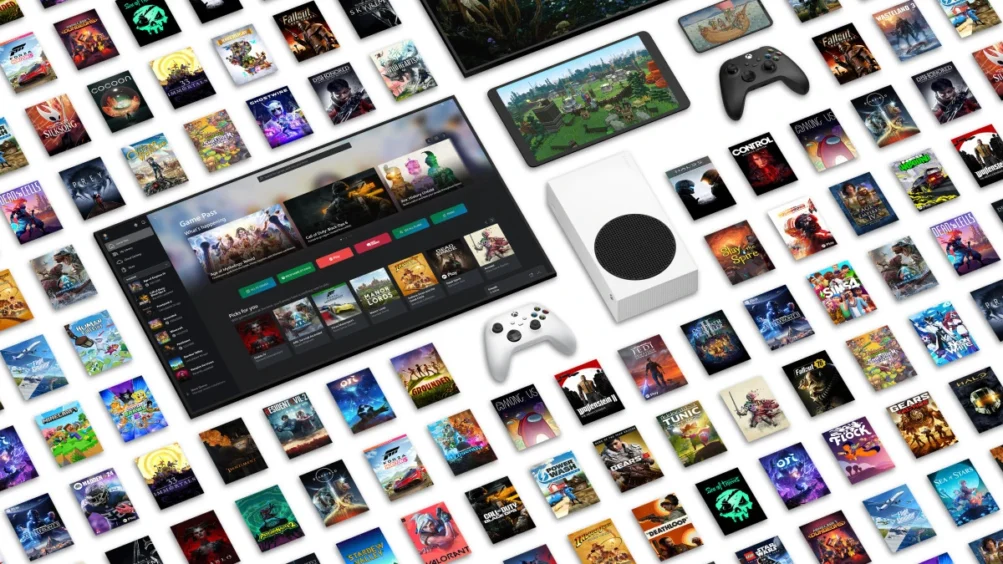
The digital gaming industry has undergone a significant transformation over the past decade. What was once considered a niche form of entertainment has now become a global phenomenon, attracting millions of users from different backgrounds. This growth is largely driven by rapid technological advancements, improved internet infrastructure, and the increasing demand for interactive and accessible digital experiences.
Modern gaming platforms are no longer limited to basic gameplay functionality. Instead, they are designed with a strong focus on user experience, ensuring that players can interact with systems that are intuitive, visually appealing, and highly responsive. From clean interface layouts to fast-loading pages, every detail is optimized to create a seamless environment where users can engage without friction.
One of the most important factors contributing to the success of today’s gaming platforms is accessibility. Users expect to access their favorite platforms across multiple devices, including smartphones, tablets, and desktops, without compromising performance. As a result, developers are increasingly prioritizing responsive design and lightweight structures that allow platforms to run smoothly regardless of the device being used.
In addition to accessibility, the structure and organization of information within a platform play a crucial role in shaping the overall experience. Platforms that present information in a clear and structured way tend to perform better in terms of user retention. Visitors are more likely to stay and explore when they can easily find what they are looking for without unnecessary complexity.
This is where platforms such as QQMILAN demonstrate the importance of combining functionality with visual clarity. By implementing a well-organized layout and user-focused design principles, such platforms create an environment where users can quickly understand available features and navigate efficiently between different sections.
Another notable trend in the digital gaming landscape is the growing influence of international gameplay styles. Different regions have contributed unique design approaches that are now being adopted globally. One example is the emergence of gameplay concepts inspired by modern gaming trends in Thailand, which are often associated with dynamic mechanics, engaging visuals, and a more interactive user journey.
These global influences have encouraged developers to continuously innovate and refine their platforms. Instead of relying solely on traditional models, modern systems integrate a variety of interactive elements that enhance engagement. This includes smoother transitions, real-time feedback systems, and visually rich environments that keep users engaged for longer periods of time.
Security and reliability also play a key role in the development of modern gaming platforms. Users are more conscious than ever about data protection and system stability. Platforms that prioritize secure connections, stable performance, and consistent uptime are more likely to build trust and maintain long-term user relationships. This aspect is especially critical in a competitive environment where users have countless alternatives to choose from.
Furthermore, the integration of modern technologies such as cloud-based systems and optimized backend infrastructures has allowed platforms to scale more efficiently. These technologies enable faster processing, better load management, and a more consistent experience even during peak usage times. As a result, users can enjoy uninterrupted access without performance degradation.
As the industry continues to evolve, it is clear that the future of digital gaming will be shaped by platforms that can successfully combine innovation, usability, and performance. The ability to adapt to emerging trends while maintaining a strong focus on user needs will determine which platforms remain relevant in the long run.
Ultimately, the evolution of digital gaming platforms reflects a broader shift in how people interact with technology. It is no longer just about playing a game, but about experiencing a complete digital environment that is designed to entertain, engage, and provide lasting value. Platforms that understand this shift will continue to lead the industry and set new standards for what users expect from modern digital experiences.
If you enjoy games and gaming and want more NEWS from the Gaming World Click Here