
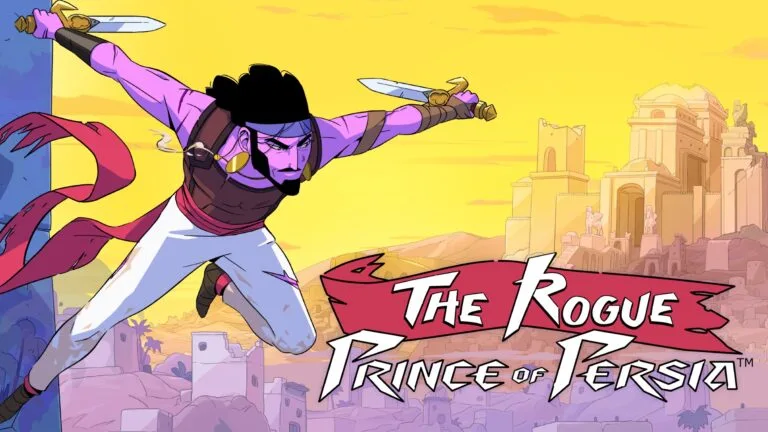
Somewhat over a year after its Early Access release on PC, The Rogue Prince of Persia receives its final, full release for PC and consoles. This time around, our newest Prince of Persia has to defend the Persian empire from an invading army of Huns in a rogue-like adventure developed by the makers of the hugely popular Dead Cells, Evil Empire. Now, if the fact that this is another Prince of Persia game, albeit a rogue-like, to tide you over until The Sands of Time remake comes along isn’t enough to get you interested, then perhaps Evil Empire’s name attached to it might.
Dead Cells Experience Meets Persia
Evil Empire has brought everything they’ve learned from Dead Cells to the continued fantastical take on Persia. And the rogue-like genre is a surprisingly good fit for the Prince’s shenanigans. Time and its manipulation have become inextricably linked with Prince of Persia since The Sands of Time Trilogy. Just as much as deadly traps have bothered the Prince since his inception at Jordan Mechner’s hands in 1990.
The Rogue-like Loop
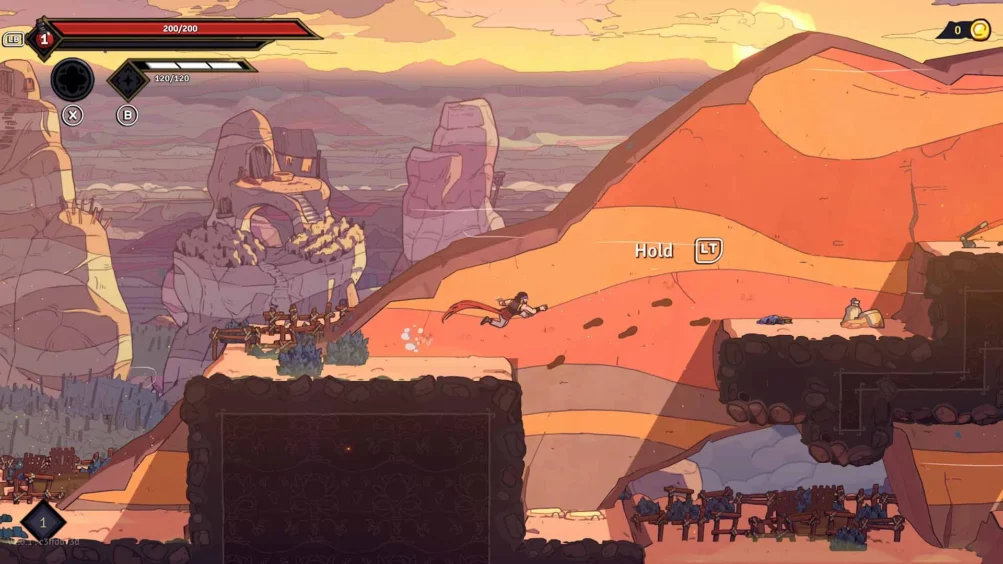
After all, what structure mirrors the Groundhog Day loop better than a rogue-like? You start with nothing, get killed and have to restart the day again with everything reset. Though not quite, because if that were the case, then most of us would probably quit out of pure frustration at some point. So not everything you do gets lost to the icy miasma of death: you get to keep your knowledge, which makes each ensuing run easier in knowing where to go and what to do, and you get to keep permanent upgrades, like health upgrades.
This gameplay loop preys on your desire to get better, to overcome the odds and to see what more of the story you can unlock. And it’s used exactly as you would expect here, with the Prince’s unknown time resetting power playing into why he’s stuck in this endless loop. But the Prince isn’t alone. He’s joined by the people he saves and sends to the Oasis, his home base that is exempt from the loop.
Not only do they provide you with new knowledge and locations to explore, but they also provide you with essential services to make each run somewhat easier in the form of rewards, amulets, and new weapons and buffs to get added to each run for you to find.
Story and Progression
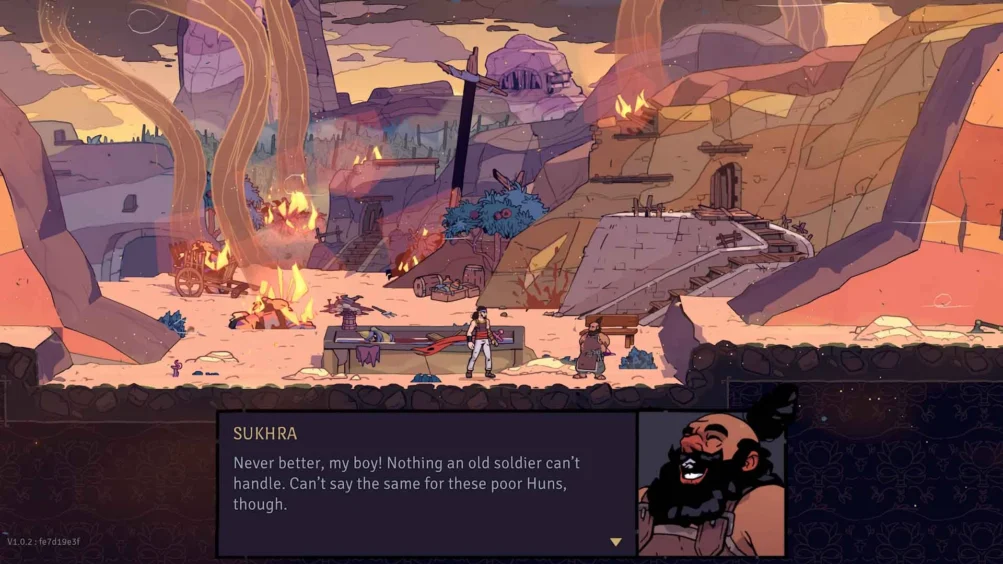
In this sense, the story is somewhat drip-fed to you, along with forward navigation. True, if you’re quite the skilled player, you could make it to the end in a fairly short time, but then you may miss out on all the little paths to discover and how to save the Prince’s family. As drip-fed as that information and the opening of new levels are, it’s still a satisfyingly addictive mechanic that kept me invested.
Gameplay
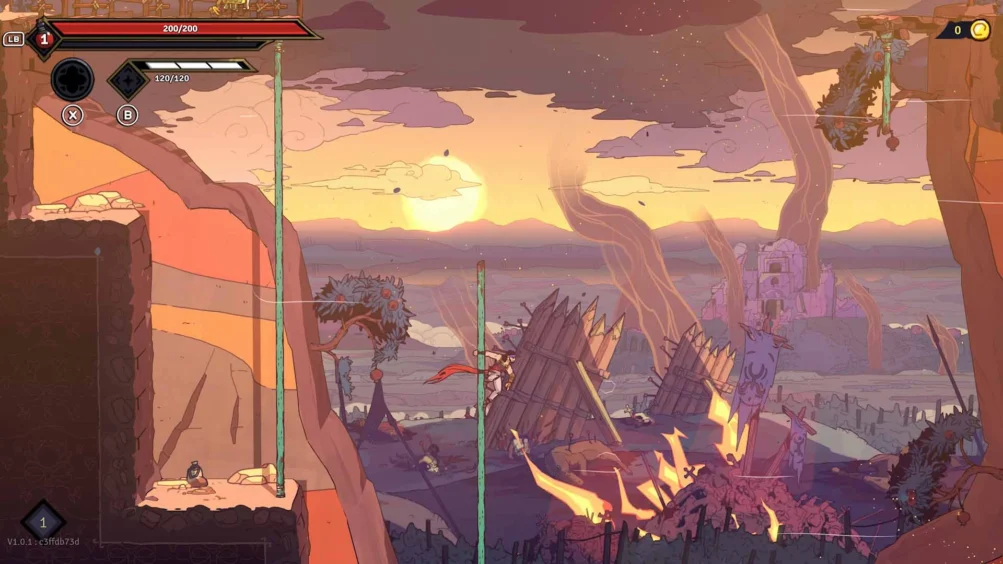
The real star of the show is, of course, the gameplay. Now, while the time-looping shenanigans did cause me to take a break now and again after having to re-fight the same boss a couple of times, the stunningly fluid combat and parkour platforming meant that the game and how to get just that little bit further in each run wasn’t far from my mind. It doesn’t hurt that combat and platforming are so silky smooth and nuanced that it makes combat and platforming just a pure joy.
Well, you can always run up the background wall to avoid it. The Prince’s acrobatic moves chain well into each other, as well as letting you wall run over spikes, leap onto a pole, slide down a wall and bounce between others to reach your target. It’s all very satisfying.
Combat
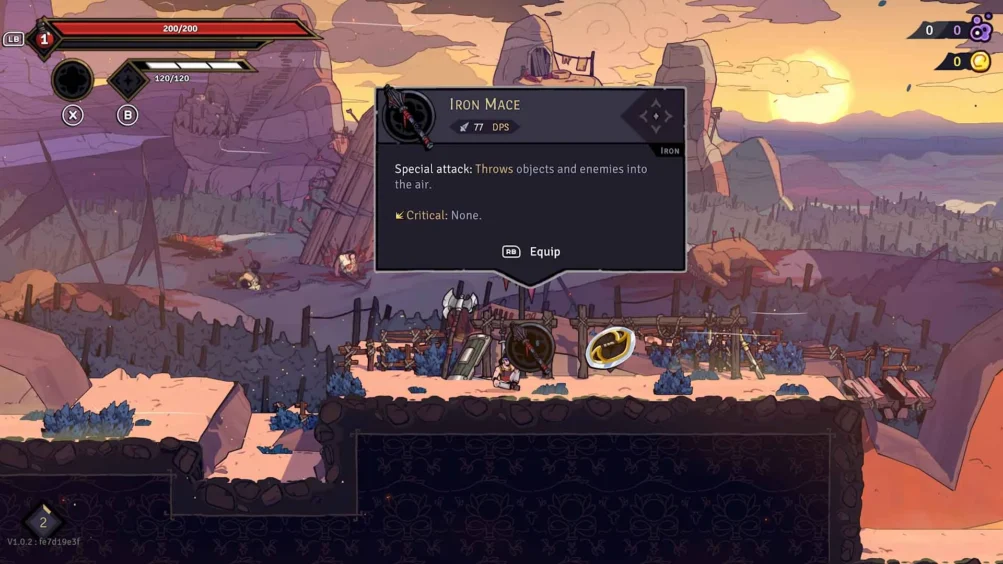
Combat is no slouch either, not just because you’re acrobatic moves play a role in it, but because the Prince is just as fast and fluid here, chaining combos together with vaults along with the weapons at his disposal. You have your main melee weapon and a sub-weapon, such as a bow, and a variety of amulets to equip with differing properties. Each weapon has its own combos, special attacks and speed to take into account, and everything can be upgraded within a run or replaced if you find something better.
Progression & Currencies
There are two currencies in The Rogue Prince of Persia. One is gold, which lets you upgrade weapons or purchase new ones within a run and Embers, which are used for purchasing new weapons and item packs in the Oasis. Embers are a bit of a risk and reward system, as there are altars you can use to bank them or destroy the altars for an extra Ember boost and hope you don’t die before the next altar. Levelling up gives you a skill point to use in the Prince’s skill trees. These skills become essential down the line as they can add an extra healing flask permanently, for instance.
Visuals and Sound
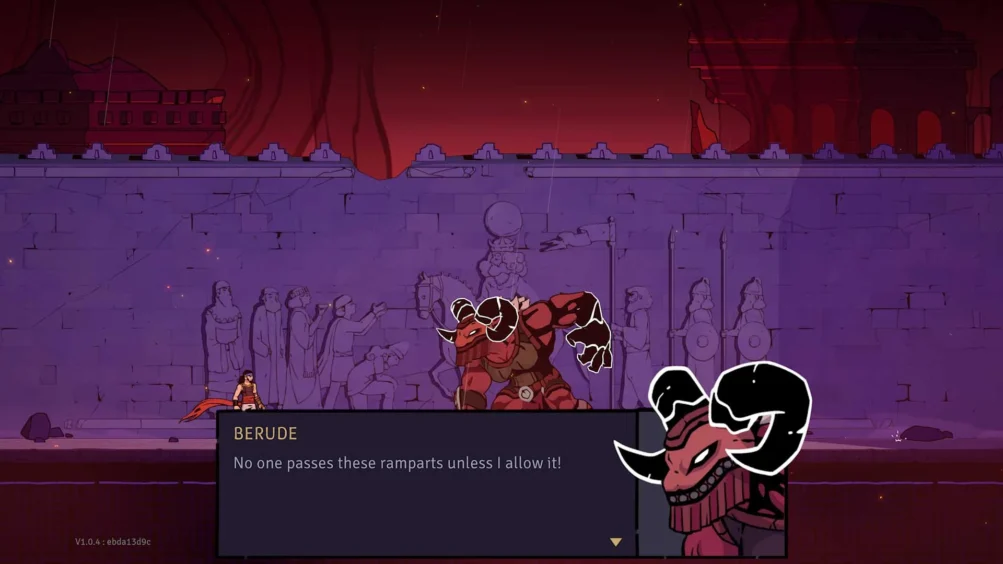
The Rogue Prince of Persia is beautifully animated as well, with an art style that is both attractive and just bare bones enough to keep the environments and action readable. Props off course got the animation, which is superb, both from the Prince and the enemies trying to take him out. And it’s rounded out with a good soundtrack as well.
Weaknesses
If there are any downsides to The Rogue Prince of Persia it would be your investment in rogue-like mechanics and just how much repetition you’re willing to do to see it all and get to the end. And, finally, the procedural generation that goes into each level layout doesn’t provide as much variety as you’d hope for. Eventually, repetition sets in here as well, along with some strange tile placements for empty rooms, corridors and fast travel checkpoints.
Conclusion
The Rogue Prince of Persia doesn’t break any new ground in the rogue-like genre. It packs all the expected mechanics into its design. But it combines those mechanics with a wonderfully evolving story and excellent platforming worthy of any Prince game that leaves you with a one-more-go feeling after each defeat.
The Rogue Prince of Persia Trailer
https://youtu.be/n5oVK6jHOVU
Game code was provided to us for the express purpose of reviewing.


You must be logged in to post a comment.