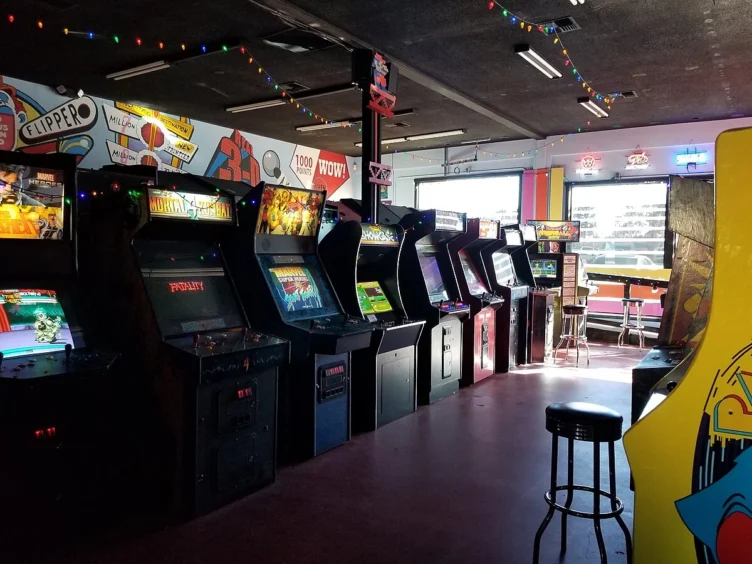
In recent years, arcade machines have once again been in the spotlight. According to Statista, in 2023 alone, global sales of mini-arcades increased by more than 18%. Many people wonder: why, despite the abundance of digital entertainment and powerful consoles, do people seek to experience the atmosphere of arcades? In this article, we will examine what makes new generations and gaming veterans return to the world of flashing screens and the clinking of coins.
The Phenomenon of Arcades
An arcade machine is not just a gaming device, but a whole microcosm of emotions and impressions. The main feature of the arcade is instant engagement and competitive excitement, which is difficult to replicate at home. The atmosphere of a hall filled with sounds and lights creates a festive and communal feeling. Unlike home games, collective energy is important here, where each participant becomes part of the action. Classic machines usually featured simple controls, bright design, and a fast-paced gaming rhythm.
Historical Context: The “Golden Age” and Cultural Influence of Arcades
In the 1970s and 1980s, arcade machines became one of the symbols of mass culture. The emergence of games like Pac-Man and Space Invaders not only formed the first gaming communities but also turned arcades into meeting places for young people. Sociologists from the University of California note that it was during this period that arcades became a space for sharing experiences and competitions. Many retro games of that era still evoke nostalgia in millions of people, and themed tournaments and festivals regularly attract fans around the world.
Why Are Arcades Back in Fashion?
Today, arcade machines are experiencing a revival. Experts attribute this to three main reasons:
- Growing interest in mini-games, retro gaming, and childhood nostalgia.
- The desire for face-to-face interaction and competitive engagement outside the internet.
- The emergence of new technologies that update the gaming capabilities of classic machines.
A study by Newzoo confirms that 61% of young players have visited arcade halls at least once in the past three years. The revival of the market is supported by the constant emergence of new formats and adaptations of old hits.
Modern Formats: Mini-Arcades, Barcades, and Hybrid Spaces
Today, arcade machines are available not only in specialized halls but also as mini-versions for home and office. Mini-machines that contain dozens of classic games are becoming a popular gift and a collectible item. A significant contribution to the industry has been made by barcades—venues that combine a gaming zone and a bar.
According to The Economist, the number of barcades in the US has tripled over the past five years. In Japan and South Korea, hybrid spaces are opening where you can not only play but also participate in tournaments or themed evenings. The example of the High Score barcade in New York shows that a creative approach to game selection and atmosphere helps attract both young and adult visitors.
How an Arcade Machine Is Built Today
A modern machine consists of a sturdy cabinet, usually made of MDF or plastic, an interactive screen, an audio system, and a control panel with joysticks and buttons. Classic models used simple electronic boards and monochrome displays, while modern versions offer multi-game platforms, touch screens, and even VR headsets. Key components of a modern machine:
- Cabinet with bright design and LED backlighting
- Ergonomic control panel for different genres
- Multifunctional game board with update support
- Audio system to create a sense of presence
This technical base allows machines to be flexibly adapted to new gaming formats and audience demands.
Arcades and Home Consoles – What’s the Difference in Formats
Arcade machines and home gaming systems build gameplay differently. Arcades are designed for fast, often competitive sessions where reaction and skill under time constraints are important. Home consoles offer a wide variety of genres and the possibility of solo play, while arcades focus on collective experience and instant involvement. According to Game Industry.biz, more than 40% of arcade visitors note that they value the atmosphere and sense of unity that comes from playing together.
How the Arcade Industry Adapts to New Realities
The modern arcade machine market is estimated at about $3 billion, according to Allied Market Research for 2022. The main sources of income are paid sessions, the sale of drinks and food, and the organization of events and tournaments. In response to modern challenges, many centers are introducing cashless payment systems and integration with mobile apps for tracking achievements. Experts predict further growth in interest in arcades due to the emergence of new hybrid formats and the expansion of the range of games.
And one of the most important factors in this growth is the development of virtual arcade games. This trend is confirmed by current data. For example, according to https://www.aviatrix.com.in/, the popularity of the gambling game Aviatrix and other crash games is growing. Arcade gameplay and digital accessibility have attracted millions of new players to this genre. And many of them have become interested in physical arcade machines.
A Brief Success Story of One Arcade Center
A striking example is Tokyo’s Taito Station arcade, which is visited by more than 1 million people annually. The center combines classic machines and the latest VR platforms, regularly holds themed festivals and master classes. The success of the center is explained by a skillful combination of tradition and innovation, as well as attention to the needs of different age groups.
Frequently Asked Questions and Myths About Arcade Machines
- How long does interest in arcades last? According to analysts, stable demand has been maintained for more than forty years and continues to grow thanks to new forms of leisure.
- How much does it cost to open a barcade? According to industry publications, starting investments range from $50,000 to $200,000 depending on the area and set of machines.
- What games are most in demand now? The classics of the 80s lead, as well as modern cooperative and music games.
- What are the features of technical maintenance? Regular maintenance includes cleaning, electronics diagnostics, and software updates.
What changes await arcades in the future and how they will continue to amaze new generations—this question remains open for the entire gaming community.
If you enjoy games and gaming and want more NEWS from the Gaming World Click Here