The Death of the “One-and-Done” Game
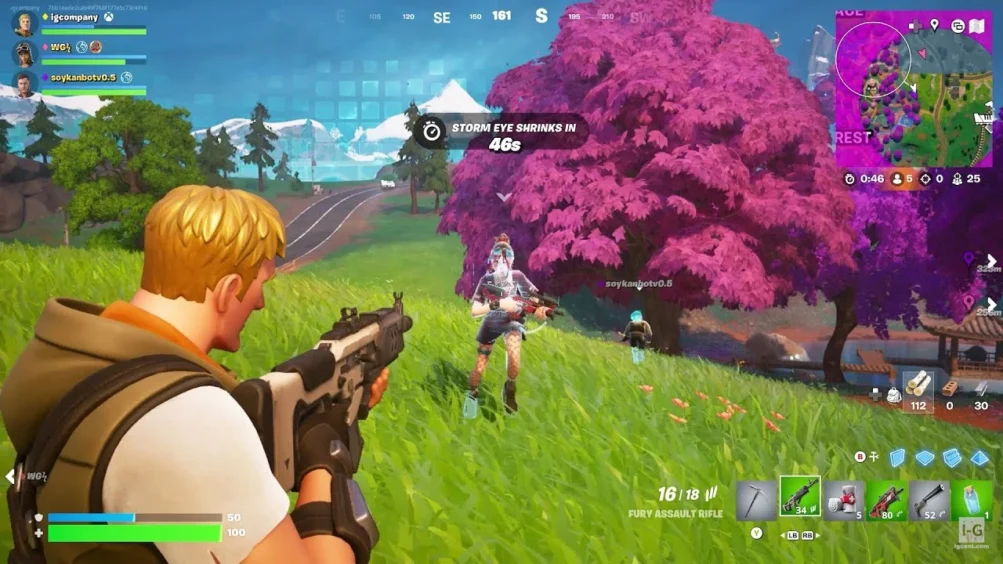
For decades, the gaming cycle was simple: release a game, sell as many copies as possible, and move on to the sequel. But in today’s climate, that model is becoming obsolete. Modern players expect updates, live events, crossovers, and a steady stream of content to keep things fresh. Titles like Fortnite, Genshin Impact, and Destiny 2 have proven that success lies not in selling a product, but in cultivating a living, breathing world that players want to revisit daily.
This concept — the game as a platform — transforms titles from products into ecosystems. They’re not just games anymore; they’re social hubs, creative sandboxes, and long-term services built to adapt, expand, and evolve. In many ways, these worlds are becoming metaverse-lite environments — self-sustaining economies driven by community engagement and developer innovation.
What’s Driving the Shift?
Several factors have pushed the industry toward platform-based models:
- Rising Development Costs: Triple-A production budgets have skyrocketed, making it financially risky to rely solely on one-time purchases. Ongoing engagement ensures a steadier revenue stream.
- Player Expectations: Gamers now crave longevity. Seasonal events, constant updates, and new features are the new normal.
- Community Power: Platforms like Roblox and Minecraft demonstrate that players don’t just want to play — they want to create. User-generated content (UGC) keeps games fresh, relevant, and personal.
- AI & Technology: Artificial intelligence and procedural generation allow developers to build adaptive, endlessly replayable content at lower costs.
- Market Saturation: With thousands of games launching yearly, only those offering persistent value stand a chance at long-term relevance.
All these forces are creating an industry where studios act less like traditional publishers and more like platform operators — continually feeding their worlds with new content, stories, and innovations.
AI: The New Creative Partner
AI is already redefining how games are built, played, and maintained. Developers are using generative tools to create realistic dialogue, dynamic environments, and evolving quests that adapt to player behavior. Imagine an RPG where NPCs remember past interactions, or a shooter that tailors events based on how your squad performs — that’s no longer science fiction.
Recent research, such as the Interactive Generative Video framework (IGV), shows how AI can dynamically synthesize new assets and storylines. For studios, this means reduced development time and richer, more personalized gameplay. For players, it means worlds that truly respond to their choices — and never run out of surprises.
Community and UGC: The Heart of Longevity
At the core of every successful platform game lies its community. The players are no longer passive consumers; they are creators, curators, and ambassadors. Games like Dreams, Fortnite Creative, and Roblox have proven that UGC can extend a game’s lifespan indefinitely. By giving players the tools to design their own levels, cosmetics, or modes, studios tap into a self-sustaining content pipeline that keeps engagement high and creativity flowing.
Of course, this approach comes with challenges. Moderation, copyright issues, and balancing quality control with creative freedom are ongoing struggles. But when done right, community creation isn’t just extra content — it’s a foundation for cultural longevity.
Monetization in the Platform Era
With this new model comes a reimagined approach to monetization. Free-to-play has dominated for years, but the future lies in hybrid systems. Expect a blend of season passes, subscription tiers, creator revenue sharing, and cosmetic-driven microtransactions. The key is transparency and fairness. Players will support ongoing models — but only when they feel respected, not exploited.
Developers are also looking beyond storefronts like Steam or PlayStation Network, focusing on direct-to-consumer ecosystems that offer better margins and tighter community control. This direct relationship between developer and player is becoming a defining feature of the next gaming generation.
Explore the Risks Behind Live-Service Gaming
Live-service models aren’t without their challenges. Constant content demands, player burnout, developer fatigue, and monetization pressures are all part of the equation. For a deeper look at the potential pitfalls, check out our companion article, Live-Service Gaming Risks 2025: Burnout, Monetisation & Player Fatigue.
If you enjoy games and gaming and want more NEWS from the Gaming World Click Here