

If you’ve ever wished you could feel like your games are happening right around you without blasting the entire room with sound, the Razer Clio is built for that exact moment. Designed as a personal audio device rather than traditional speakers, it promises to envelop you in a bubble of rich, detailed sound. After spending hours with Titan Quest 2 and Warhammer 40,000: Dawn of War – Definitive Edition and even Arc Raiders, I’ve seen exactly where it shines and where it has a few quirks.
Design and Build Quality
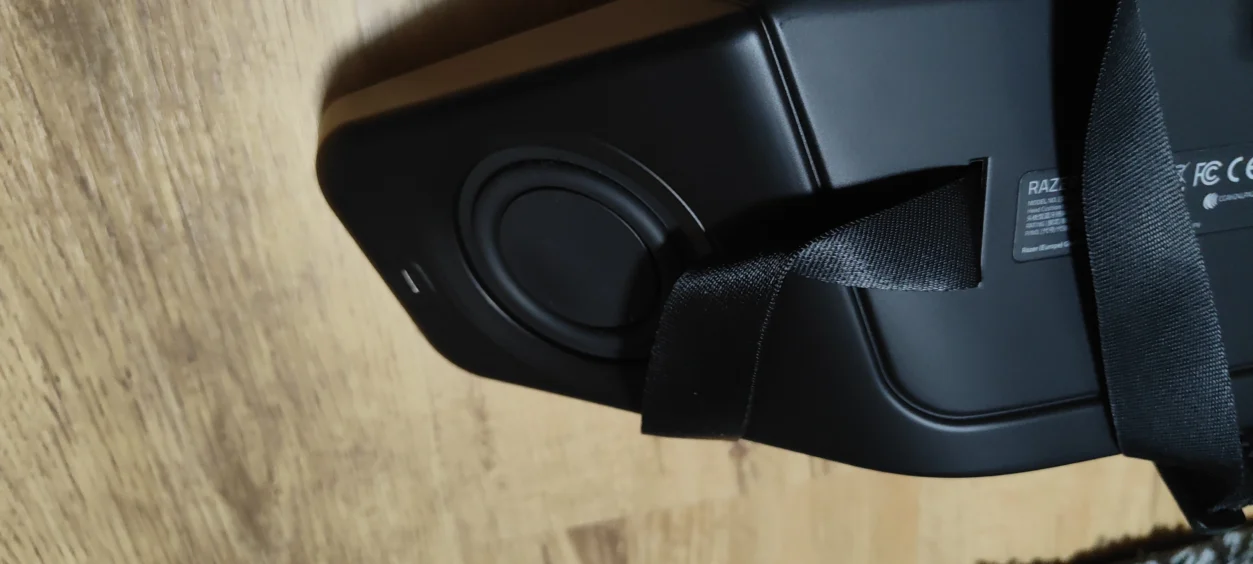
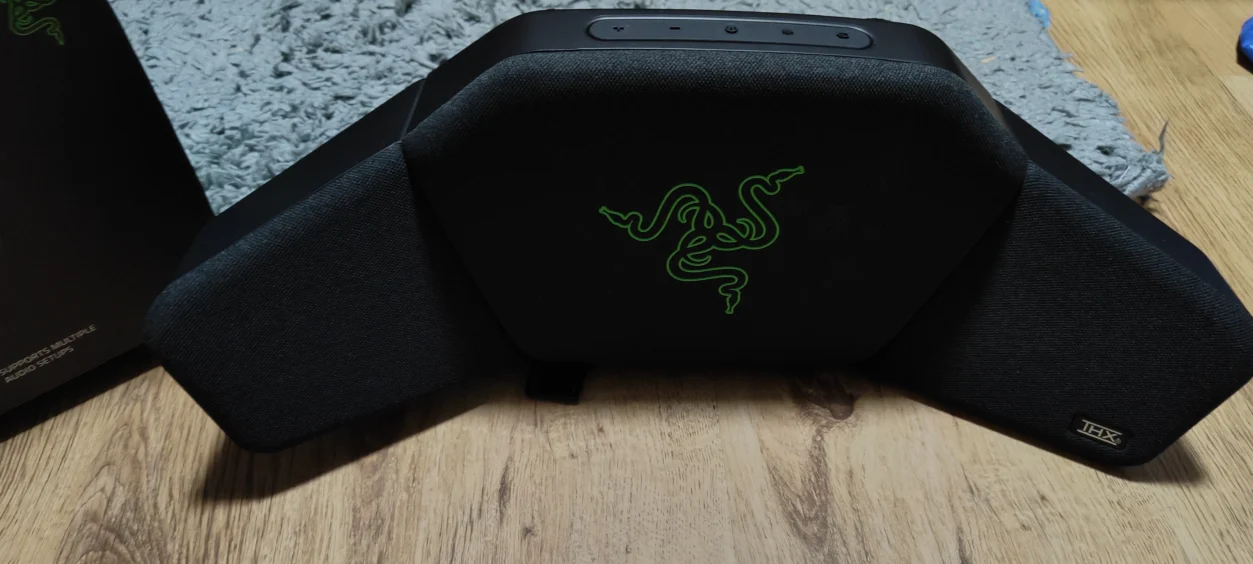
Right from the start, the Razer Clio’s design makes a statement. Sleek, minimal, and undeniably modern, it doesn’t scream “gamer gear” with obnoxious RGB lights, instead offering a sophisticated, subtle aesthetic that blends into almost any setup. The build feels solid and durable, with adjustable components that allow you to fine-tune your position. That said, there’s a catch: not every chair design works well with the Razer Clio. Full, rounded gamer chairs—those bucket-style designs that fully wrap your shoulders—often prevent the device from fitting at all.
Chairs with thinner tops, which include separate neck cushions, like a Razer gaming chair, fit perfectly, letting the Razer Clio wrap sound around you as intended. Positioning is key, and your chair’s shape can make all the difference in immersion.
This is my gaming chair as an example.

Immersive Audio Performance
Once properly positioned, the Razer Clio excels. In Titan Quest 2, the combat sequences come alive like I have never experienced before. You can hear the subtle whoosh of a swinging sword, the crackle of elemental magic, and the distant rumble of enemies approaching from off-screen. This level of detail makes you more aware of your surroundings, heightening both tension and satisfaction in combat. Similarly, in Dawn of War, the chaos of battlefields is rendered with incredible clarity.
Explosions, artillery barrages, and distant skirmishes all have their own presence, giving you an almost cinematic sense of strategy and urgency. You don’t just play the game; you feel like you’re standing in the middle of it.
Close-Range Immersion
What makes the Razer Clio unique is its focus on close-up immersion. Unlike speakers that fill a room or headphones that press against your ears, it creates a private audio bubble. It’s intimate and enveloping—it’s almost magical. That said, moving even slightly out of the bubble diminishes the effect quickly. This isn’t a flaw—it’s a design choice—but it does make the device very personal. For solo gaming, it’s incredible. For shared sessions or casual listening across a room, it’s less ideal.
Audio Nuances and Game Impact
One of the things I appreciated most was how the Razer Clio reveals audio nuances you might otherwise miss. In Arc Raiders, I noticed distant environmental sounds, like the rustle of leaves or ambient dungeon noises, that subtly add to immersion. In Dawn of War, the directional audio helps you anticipate enemy movements and strategise more effectively. These aren’t just “bells and whistles”; they actively enhance gameplay by giving you a deeper awareness of your virtual environment.
Comparison to Other Audio Setups
Compared to traditional gaming headphones, the Razer Clio has distinct advantages. There’s no pressure on your ears, so long sessions are more comfortable. Unlike desktop speakers, it doesn’t disturb others, making it perfect for shared living spaces. Yet, unlike high-end surround sound setups, it doesn’t fill a room or create a cinematic experience. Instead, it focuses on what matters most: immersing you in the game itself. I also found that it pairs well with other audio setups; you can keep speakers for ambient sound while letting the Razer Clio handle the intense, close-up action.
Long-Term Use and Comfort
Long-term use is where the Razer Clio truly shines, though it does take some getting used to. Sitting in the sweet spot for extended periods can initially feel a little disorienting because the audio is so directional and enveloping. After a couple of hours, however, it becomes second nature, and you start noticing details you’d never picked up with headphones or speakers. You also quickly learn to adjust your chair, monitor, and keyboard to stay in the optimal position. These small adjustments pay off, turning routine gameplay into a much more engaging experience.
Setup Flexibility and Accessibility
Setup flexibility is another consideration. The Razer Clio’s design works best for single-player experiences, or at least situations where you can position yourself consistently. If your chair, desk, or monitor height changes frequently, you’ll need to readjust each time. That said, once you find that perfect alignment, it’s hard to go back to standard audio setups. The device also has a surprisingly low learning curve: after a few tweaks, it just works, delivering detailed, immersive sound that enhances everything from sword swings to massive battlefield explosions.
Conclusion
In short, the Razer Clio is a personal audio device that truly brings games to life. It’s not perfect—chair compatibility and limited range are real considerations—but when positioned correctly, it turns games like Arc Raiders and Dawn of War, to name just a few, into experiences that feel more immediate, engaging, and detailed. It’s a must-have for solo gamers looking for an immersive audio solution that doesn’t rely on bulky speakers or cumbersome headphones.
Razer Clio First Look Video
Read more awesome reviews >>here<<.
This product was provided to us for the express purpose of reviewing.
The review was written by me and edited by my partner.




You must be logged in to post a comment.