There are certain studios that build a reputation you simply trust. When Tarsier Studios revealed Reanimal, excitement came naturally. After all, the team previously delivered two of the most memorable modern horror platformers with Little Nightmares and Little Nightmares II — games that thrived on tension, disturbing imagery and storytelling without exposition. Reanimal doesn’t try to hide its heritage. Instead, it embraces it, evolving the formula into a cooperative experience while still delivering the unsettling charm fans expect.
For those who might be wondering what Reanimal is? It’s a cinematic horror platformer from Tarsier Studios where two children must escape a nightmarish world filled with grotesque creatures and unsettling environments.
Playable solo with AI or cooperatively with another player, the journey blends environmental puzzles, tense chase sequences and minimal combat as you navigate locations such as abandoned structures and distorted landscapes. The story is told through imagery and implication rather than dialogue, leaving players to interpret the meaning behind its disturbing world and multiple endings.
Gameplay – Simple Mechanics, Strong Execution
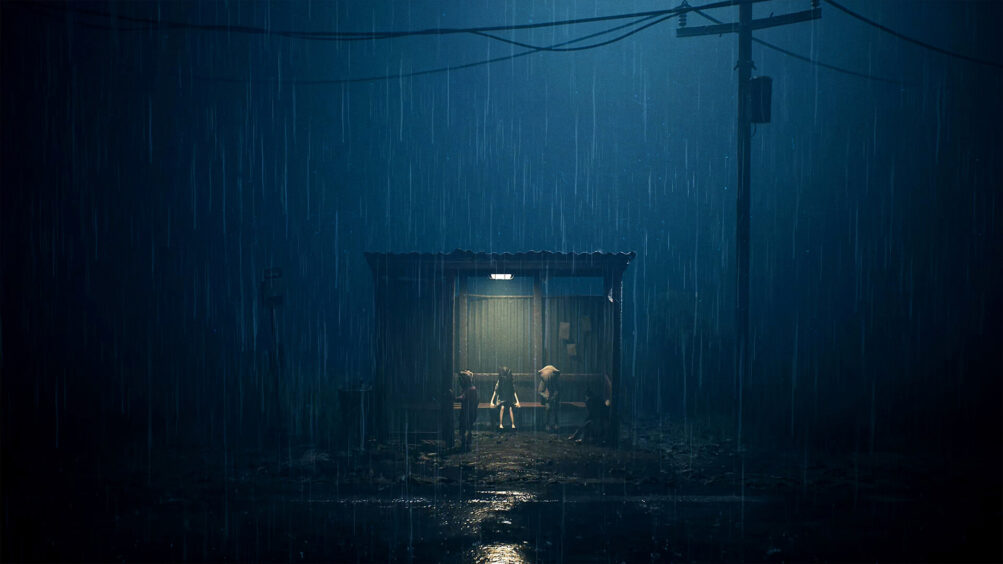
From the opening moments, Reanimal feels polished. Movement is responsive, interactions behave exactly as expected, and throughout my playthrough, I encountered no technical issues that pulled me out of the experience. The puzzles strike a satisfying balance. They’re rarely frustrating, but never insultingly easy either — just enough friction to make you pause and think before the solution clicks into place.
It’s classic environmental problem-solving, the kind where understanding the world is more important than memorising mechanics. Combat exists, though sparingly. You’ll occasionally fend off threats — swatting aggressive birds or dealing with the unsettling spider-children — but survival and avoidance remain the primary focus. The restraint works in the game’s favour, keeping tension intact rather than turning it into an action platformer.
While playable solo with AI assistance, Reanimal truly shines in co-op. Playing alongside my fiancée transformed the experience entirely; coordination during puzzles and shared panic during chase sequences made the adventure dramatically more engaging. It’s not just optional co-op — it feels like the intended way to play.
Atmosphere & Horror – Disturbing Curiosity
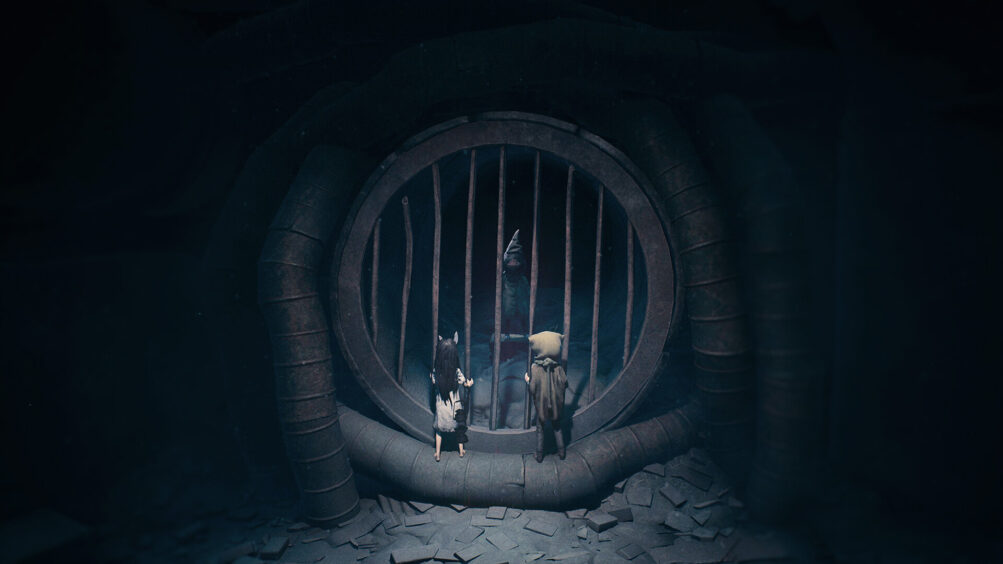
The atmosphere is where Reanimal excels. Fans of Tarsier’s previous work will recognise the DNA immediately: mystery, discomfort and a persistent sense that something is deeply wrong. There are jump scares, but the game leans more on tension than shock value. Chase sequences are standout moments — frantic, chaotic and genuinely nerve-wracking. Often you hear something before you see it, and the sound design keeps you constantly alert.
A distant noise or sudden movement is enough to send your mind racing. Importantly, Reanimal still manages to carve out its own identity despite clear similarities to previous titles Tarsier has produced. It feels inspired, not repetitive.
Story – Confusion Done Right
The narrative is deliberately ambiguous. You won’t receive clear answers, and even after the credits rolled, my immediate reaction was: what just happened? — but in a good way. Multiple endings encourage exploration, rewarding players who look beyond the obvious path.
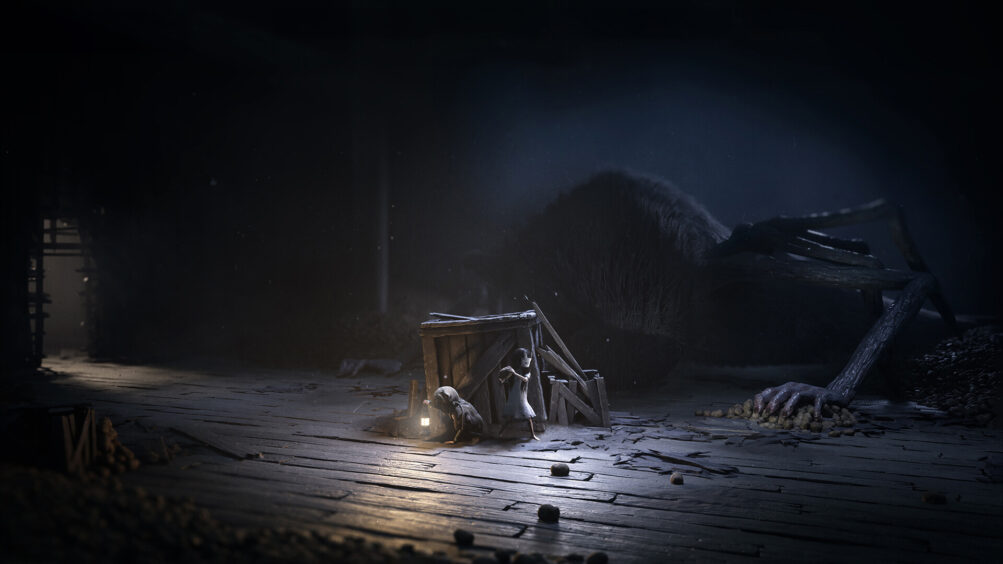
Throughout the game there are moments of pure panic as you flee from grotesque creatures, but also quieter segments that leave you questioning the world itself. It’s unsettling storytelling that trusts the player to interpret events rather than explaining them outright. Confusing at first, satisfying afterwards — especially once the implications settle in.
Visuals & Performance – Artistic Excellence
Tarsier Studios once again deliver exceptional art direction. Every location feels handcrafted, grotesque and strangely beautiful at the same time. Standout sections include the orphanage, the lighthouse and the final chapter, each presenting memorable imagery that lingers long after playing. The game rarely relies on spectacle — instead it builds horror through composition and scale. Performance was smooth throughout. The only minor issue came from occasional camera angles making certain movements feel slightly clunky, but never to a game-breaking degree.
Highlights & Issues
The chase sequences are easily the most memorable moments, alongside the tense stand-off with the Mother in the orphanage. These sequences perfectly capture the game’s panic-inducing design philosophy. There’s very little to criticise, though aiming the harpoons while navigating the boat could occasionally feel awkward due to the awkward camera.

Final Verdict
Reanimal successfully evolves the studio’s horror formula into a cooperative experience without losing what made their previous titles special. It’s unsettling, artistic and consistently tense from start to finish — especially when played with others. Fans of atmospheric horror platformers will feel right at home, while newcomers looking for a cinematic survival experience have an excellent entry point here. For those reasons, I’m giving Reanimal a score of 9 out of 10.
Who should play it: Fans of Little Nightmares, cinematic platformers and survival horror experiences.
Reanimal Launch Trailer
Read more awesome reviews >>here<<.
The game was provided to us for the express purpose of reviewing.