The pandemic changed how Americans think about money, leisure, and time. During lockdowns, millions were forced to stay home, cancel trips, postpone celebrations, and rethink what “free time” really meant. As restrictions ended, a new consumer trend emerged: people began spending less on things and more on experiences.
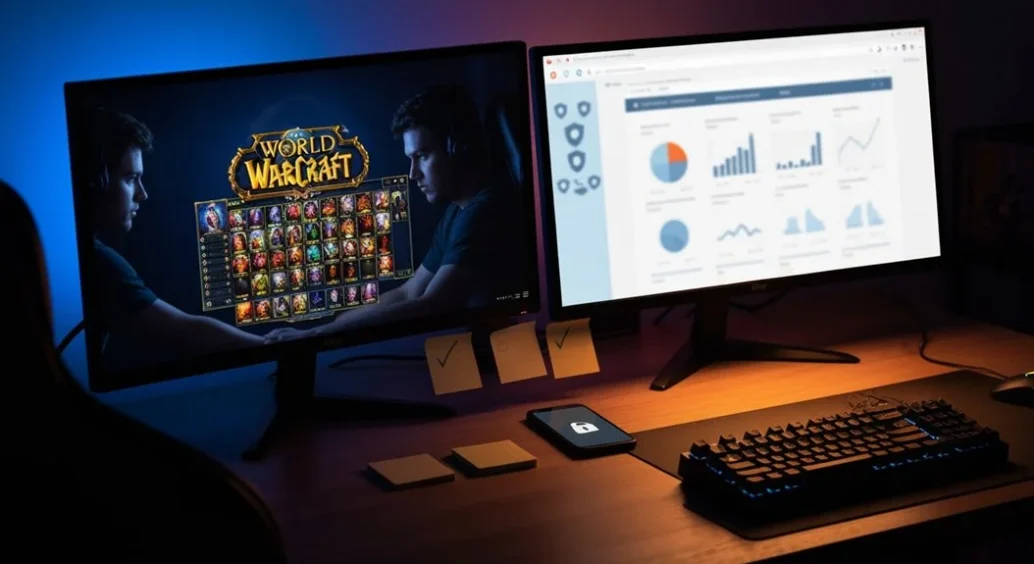
Today, the economy of free time has become one of the most important parts of U.S. consumer behavior. Americans are directing money toward travel, dining, entertainment, wellness, and convenience—sectors tied directly to how they choose to enjoy their non-working hours. Midnight leveling boost: people increasingly value their free time, so instead of spending evenings on repetitive grinding in video games after work, many prefer to delegate it to professionals from Epiccarry.
From Goods to Experiences
During the height of the pandemic, households spent heavily on physical goods: home offices, electronics, furniture, fitness equipment, and online shopping. Once life normalized, priorities shifted.
Many consumers now prefer spending on memories rather than possessions. Travel agencies, airlines, concerts, sports events, and restaurants all benefited from this post-pandemic rebound. Analysts noted that leisure travel spending remained strong even while consumers reduced purchases in other discretionary categories.
This shift reflects a deeper psychological change. After years of uncertainty, many people decided experiences feel more valuable than another product delivered to the door.
Travel as the New Luxury
Travel became one of the biggest winners of the free-time economy. Americans increasingly cut back on shopping, dining, and everyday leisure expenses in order to preserve money for vacations.
A 2025 traveler survey found that 63% of U.S. travelers were reducing other recreational spending so they could continue taking trips. Average planned leisure travel budgets remained substantial, especially among millennials.
Weekend getaways, cruises, national park tourism, beach vacations, and international travel all grew in popularity. For many households, travel is no longer considered optional luxury spending—it has become a priority.
Dining Out and Social Spending
Restaurants also benefited from the return of social life. Eating out is no longer just about food; it is part of entertainment, identity, and connection.
In early 2026, U.S. restaurant spending surged after tax refunds were distributed, with spending at restaurants rising sharply in just two weeks.
This suggests that when Americans receive extra money, many still choose shared experiences like dinners, drinks, and celebrations. Even with inflation, dining remains emotionally valuable.
Entertainment and Live Events
Concerts, festivals, sporting events, and premium streaming subscriptions are another major destination for free-time budgets.
The pandemic created years of postponed entertainment demand. Once venues reopened, consumers rushed back. This created what some analysts called “funflation”—higher prices for leisure events because people were willing to pay more for enjoyment.
Wellness and Self-Care
Another major category is personal wellness. Americans increasingly spend free-time budgets on:
- Gym memberships
- Boutique fitness classes
- Spa treatments
- Mental health apps
- Supplements
- Outdoor recreation
- Healthy meal services
The pandemic permanently raised awareness of health and work-life balance. For many professionals, wellness spending is now seen as productive rather than indulgent.
Convenience Is a Leisure Product
One of the biggest post-pandemic trends is paying to save time. Americans increasingly buy convenience services because free time feels scarce.
Examples include:
- Food delivery
- Grocery delivery
- House cleaning
- Subscription services
- Same-day shipping
- Ride-sharing
- Digital booking platforms
People may not think of these as entertainment spending, but economically they serve the same purpose: creating more usable leisure hours.
After the pandemic, Americans changed how they use discretionary money. Instead of prioritizing possessions, many now prioritize free time itself. They spend on travel, meals out, concerts, wellness, and services that reduce chores.
The new economy of free time shows that leisure is no longer a side category of spending—it has become one of the most powerful drivers of modern consumer behavior. For millions of Americans, the most valuable purchase today is not an object, but a better use of their time.
If you enjoy games and gaming and want more NEWS from the Gaming World Click Here