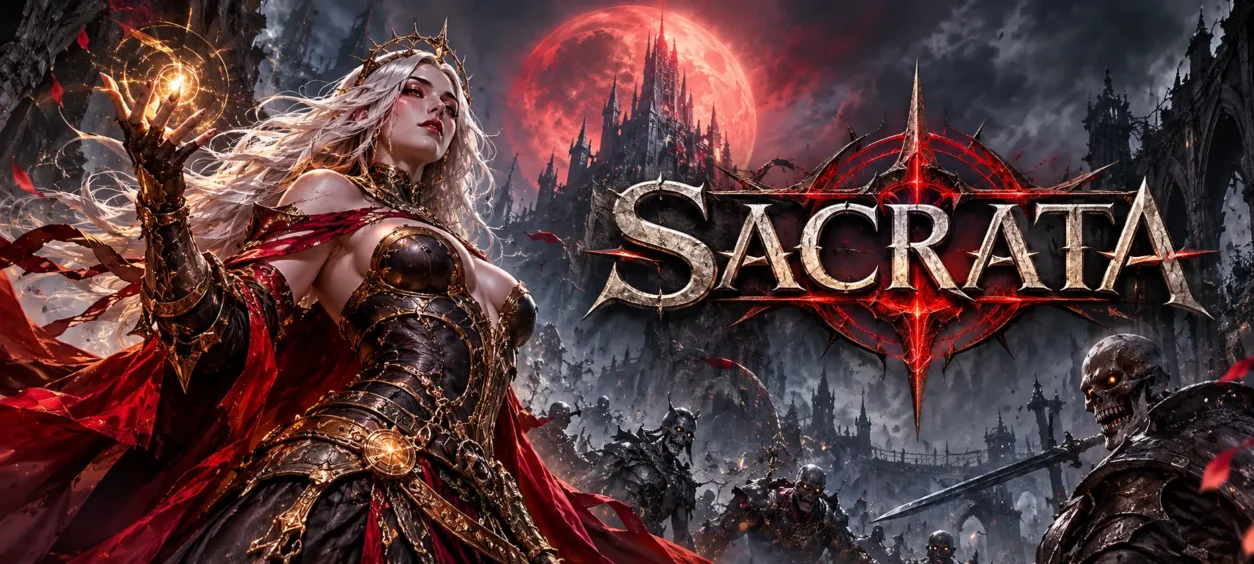
Developed and published by SuperLimber Studio, SACRATA is a dark fantasy roguelite that takes Diablo’s loot-centric progression and combines it with the survivor style of combat that’s become so popular in recent years. You’re battling waves of enemies, collecting gear and trying out all sorts of different builds.
I’ve had a bit of time with SACRATA on PC (my preview key was only good for around two days which is frankly not nearly enough time to get to know the game at all) but I did enjoy what I did get to play. There are some interesting concepts in the game and I’m very much looking forward to seeing how things evolve as the studio moves towards release.
The bigger question is whether that initial burst of enjoyment will translate into something that keeps you playing for dozens of hours. I can’t answer that yet.
A familiar formula with plenty of potential
Anyone who’s ever spent any time playing Diablo or one of the myriad games that have followed in its wake will appreciate the appeal of SACRATA‘s approach. There’s a certain pleasure in finding better gear, upgrading your character and slowly working your way up to the point where you can actually take on the nastier enemies.
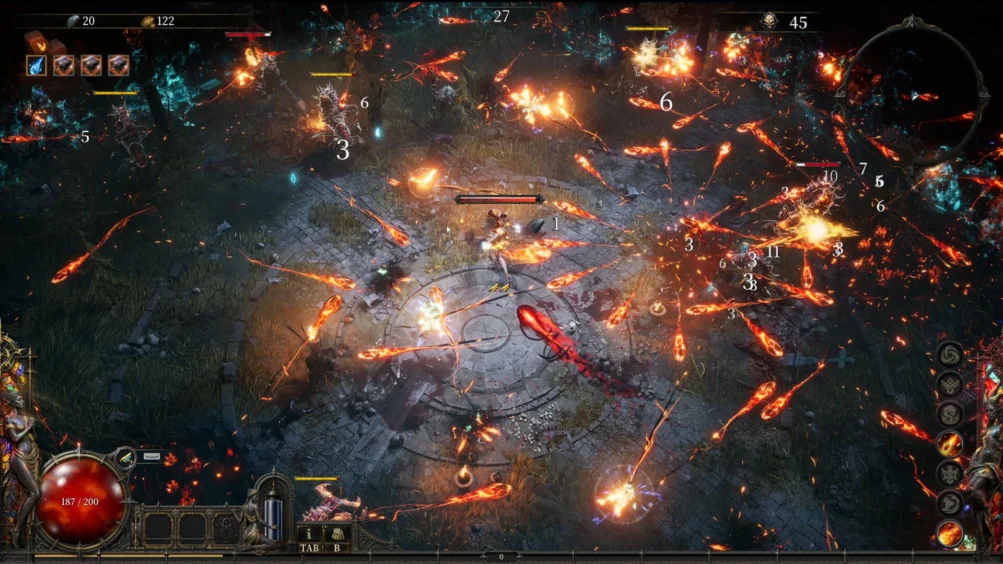
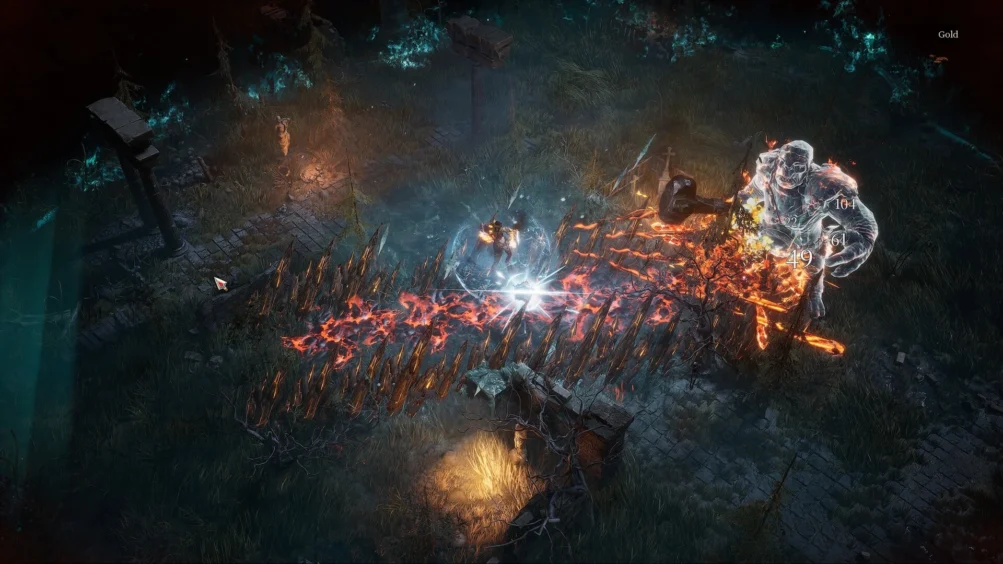
SACRATA combines that classic progression with survivor style gameplay where your experience is very much about dealing with large numbers of enemies. It’s not just about taking on individual enemies, it’s about the general combat experience which can quickly become a complete and utter mess as the number of enemies on the battlefield increases.
It’s a perfectly logical combination. The survivor genre has shown time and again just how addictive its gameplay loop can be and loot-based progression is another solid reason to come back for another run.
The challenge for SACRATA will be in ensuring that those two elements work together rather than just being two separate systems glued together.
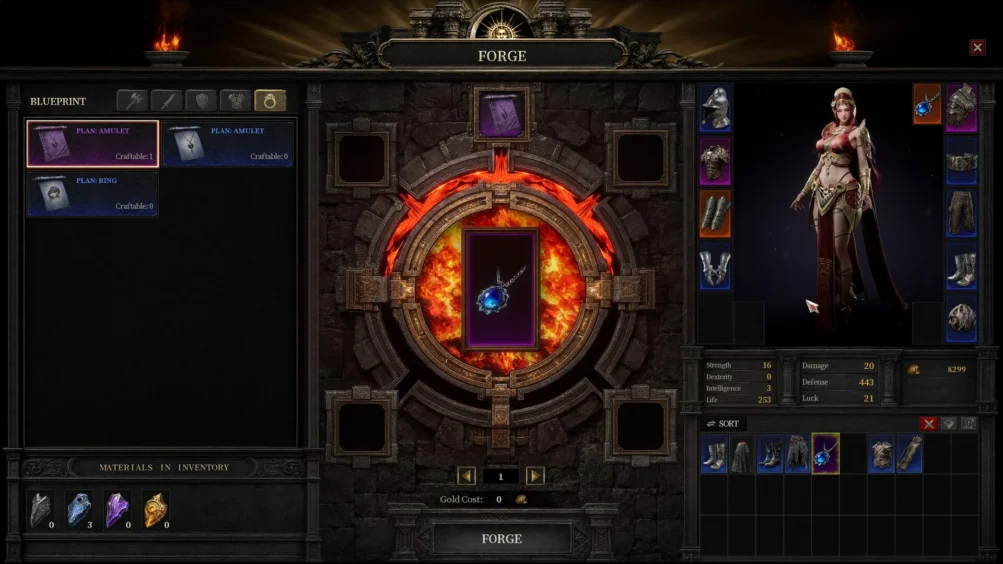
Equipment and skills are absolutely fundamental to progression.
One of the more interesting things about SACRATA is the range of equipment and skills that the developers are looking to provide.
The game has a range of skills, Relics and equipment which gives players a variety of options as to how they can develop their characters and try out different combinations. The dev team have previously outlined over 30 skills with evolution effects, over 50 Relics and 300 pieces of equipment.
That’s a pretty decent amount of content to build a progression system around, especially in a game where finding something better can be the difference between making it through another encounter and just getting swamped.
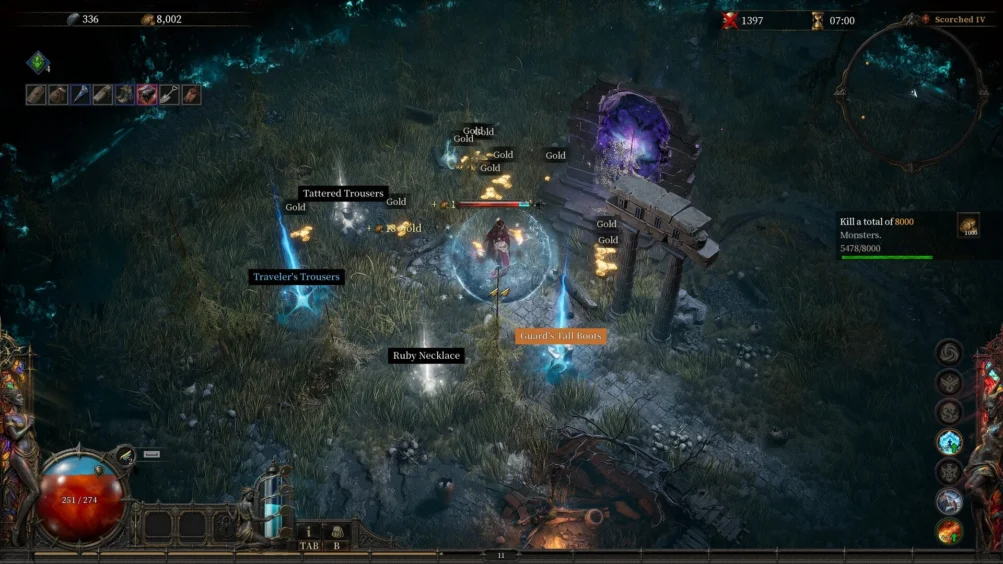
However the numbers don’t tell the full story. What matters is whether those items actually make a difference to your play, whether different builds are worthwhile and whether there’s enough variety to prevent progression from becoming boring.
I’d have liked a hell of a lot more time with SACRATA to properly explore these systems. Two days simply wasn’t enough to get a real feel for how far character development can go or how different combinations perform over a longer session.
Still the foundations are interesting and that’s an area I’m going to be very keen to come back to when the opportunity arises again.
Plenty of enemies, bosses and challenges ahead
A game built around survivor style combat needs to have a degree of variety to keep the encounters interesting. The initial run through waves of enemies is fun, but if there’s no real challenge or progression then the fun runs out very quickly.
SACRATA has elite enemies and bosses in addition to your standard enemy groups, so the challenge is not just in clearing out the enemy groups.
Boss Boss encounters are absolutely critical in this genre. They provide a way of breaking up the standard combat cycle and allow you to test whether your chosen build can cope with something a bit more onerous. like to see how well these encounters are balanced as players progress, especially given the different equipment and skill combinations available.
It’s another area where my very limited time with the game means I can’t really say anything definitive. I found what I did play to be enjoyable, but I haven’t had enough time to go anywhere near judging the overall difficulty curve or the long term variety.
An enjoyable first impression, but there’s more to prove
My biggest take away from playing SACRATA is that I wanted more time with it. That’s probably the most straightforward way of putting it.
I really enjoyed what I played and the mix of loot hunting, character progression and survivor style combat is a pretty solid base. There’s certainly a case to be made for a game that encourages you to try out all sorts of different builds rather than just go with the first one that works.
That said I don’t want to overstate the experience at all.
A couple of days with a preview build is not going to tell you whether SACRATA has the depth to keep you playing over the long term, nor will it tell you whether the progression remains satisfying once you’ve put in a lot of time to unlock the gear and explore all the various avenues.
Those are absolutely vital considerations, especially in the case of a game which is going to be so reliant on replayability.
I’d also be interested to see how the devs go about balancing, performance and general polish as development continues. Those sorts of things can make a massive difference to how much fun a game like this becomes once you’ve got hours rather than just minutes of it under your belt.
What’s next for SACRATA?
SuperLimber Studio still has work to do and they’ve previously acknowledged the feedback from their October playtest regarding performance and stability, combat and build variety, additional content and quality of life.
That’s useful feedback for a game that’s still some way from release and it’s good to see the dev team identifying the areas that need work.
The devs have also mentioned the prospect of a more content heavy demo which should give players yet another chance to play SACRATA and see how things have moved on.
No confirmed release date at the time of writing, the studio still have plenty of scope to improve things and fine tune the experience.
I’d far prefer to see the team take the time to get it right rather than rush the game out before all the various systems have had the chance to get the attention they need.
Final thoughts
SACRATA has made a very good first impression, despite my time with it being extremely brief. The blend of Diablo style equipment progression with survivor style combat is very appealing and what I played was actually quite enjoyable to the point where I’d like to go back and play it again.
I’m not in a position to say whether it’ll be worth picking up at launch really. There’s still so much I haven’t actually played and the only real test will be whether the progression, the build variety and the combat can keep you interested over a long period of play.
For now I’d put SACRATA on the watch list. SuperLimber Studio have a very interesting base to work from and I’m looking forward to seeing where that project goes.
Hopefully, next time I’ll have considerably more than two days to find out what else SACRATA has hiding beneath its dark fantasy exterior.
Read more awesome previews >>here<<.
The Preview was written by me and edited by my partner.
The Code was Provided to us to preview the game in early access NOT to review as the game is not complete.
Review Q&A
Is SACRATA worth playing?
Yes. SACRATA is worth keeping an eye on if you enjoy Diablo-inspired loot systems, roguelites and horde-survival combat. My brief time with the playtest was enjoyable, and I’d like to spend longer with it.
What type of game is SACRATA?
SACRATA is a dark fantasy roguelite that combines loot-driven action RPG progression with large-scale horde-survival combat.
What do you do in SACRATA?
You fight waves of enemies, collect equipment and Relics, develop your character, combine skills and build increasingly powerful loadouts.
Does SACRATA have different characters?
Yes. The game features a selection of heroes, each offering different progression options and ways to approach combat.
Does SACRATA have weapon upgrades and loot?
Yes. Equipment, forging, merchants, Relics and skill combinations are central to its progression, with randomised skills and equipment helping to make each run different.
Is SACRATA difficult?
SACRATA throws large enemy hordes and powerful bosses at players. Building an effective combination of skills and equipment is important if you want to survive.
Is SACRATA good for replayability?
Its randomised equipment, skills, Relics and character progression are designed to encourage repeated runs and experimentation with different builds.
What are the biggest problems with SACRATA?
My biggest reservation is that I didn’t get enough time with the playtest to properly explore its systems. The developers have also identified performance, stability, build variety and quality-of-life improvements as areas needing further work.
Is SACRATA available on consoles?
SACRATA is currently listed as a PC game on Steam. Console versions have not been confirmed.
What score does SACRATA get?
SACRATA receives no numerical score in this preview because my access was limited to a short playtest. I enjoyed what I played and am looking forward to seeing how development progresses.