A hotel stay may last only a few nights, but the relationship with a guest can continue long after checkout. The challenge is staying useful without becoming intrusive.
That is where hotel email marketing earns its place. Rather than sending the same promotional message to everyone on a database, hotels can communicate according to where each guest is in the travel journey: preparing for a visit, arriving soon, returning home, considering another trip, or drifting out of contact.
The same approach works beyond hotels. Vacation rentals, travel agencies, tour operators, restaurants, and other hospitality businesses can use email to maintain a connection between visits. For businesses serving Florida’s Space Coast, that communication can also reflect what travelers are actually coming to experience — beaches, cruise departures, family trips, business travel, and opportunities to watch launches along the coast.
The goal is not to email more often. It is to make each message more relevant.

1. Why Repeat Guests Matter
Acquiring a new guest usually requires more effort than communicating with someone who already knows the property.
A returning guest has already experienced the rooms, service, location, or restaurant. They know what to expect, which removes some of the uncertainty involved in choosing a place for the first time.
Repeat guests can also be easier to encourage toward direct booking. If someone remembers the property, recognizes the brand, and has had a positive previous stay, the hotel has an opportunity to bring that traveler back through its own website rather than relying entirely on third-party discovery.
That does not mean every previous guest should receive constant offers. Effective hospitality email marketing depends on timing.
A family that visited Cocoa Beach during a school break may respond to another family-oriented offer around the same season. A cruise passenger staying one night before departure may care more about parking, port access, and convenient arrival times. A business traveler visiting Melbourne may have completely different priorities.
The more clearly a hotel understands why the guest stayed, the easier it becomes to send something worth opening.
2. Build One Branded, Mobile-First Email Template
A hotel does not need a completely new design for every campaign.
In most cases, a single flexible template system is more useful. Keep the logo, typography, button style, spacing, footer, contact details, and general visual identity consistent. Then change the content according to the purpose of the email.
Teams that need a starting point can use free HTML email templates and adapt them to their own brand instead of rebuilding the structure of every message.
Mobile design should come first. Travelers frequently read booking information while moving between airports, cars, hotels, restaurants, and attractions. The important information should therefore be easy to scan on a small screen.
A practical hotel email usually needs:
- a clear subject and headline;
- one primary call to action;
- short paragraphs;
- readable text;
- a visible phone number or contact option when relevant;
- large, easy-to-tap buttons;
- useful information near the top.
Consistency is valuable because guests learn what communication from the business looks like. The pre-arrival message, post-stay thank-you, hotel newsletter, and seasonal promotion can feel related without being identical.
3. Send a Useful Pre-Arrival Email
The pre-arrival email is one of the best opportunities to demonstrate good service before the guest reaches the property.
Send it close enough to the stay that the information is useful, but early enough for the traveler to make plans.
Start with practical details. Confirm the arrival date, explain check-in procedures, provide the address, and clarify parking or transportation information where necessary. If there are special arrival instructions, make them impossible to miss.
Then add a small amount of destination guidance.
For a Space Coast property, this might include suggestions for beach access, dining nearby, cruise-related planning, or advice on where visitors commonly go to watch a launch. A hotel does not need to become a full destination guide. Two or three relevant suggestions are usually more useful than a long list.
This email is also an appropriate place for one relevant upsell.
For example:
- breakfast;
- parking;
- an upgraded room;
- early check-in when available;
- a restaurant reservation;
- a local experience connected to the stay.
Avoid filling the email with every possible extra. The best upsell is the one that makes the guest’s upcoming trip easier.
A family booking might receive information about family-friendly activities. A couple could receive a dining recommendation. A pre-cruise guest might value transport or parking information more than a room upgrade.
That is the basic principle behind effective email marketing for hotels: use what you already know about the booking to improve relevance.
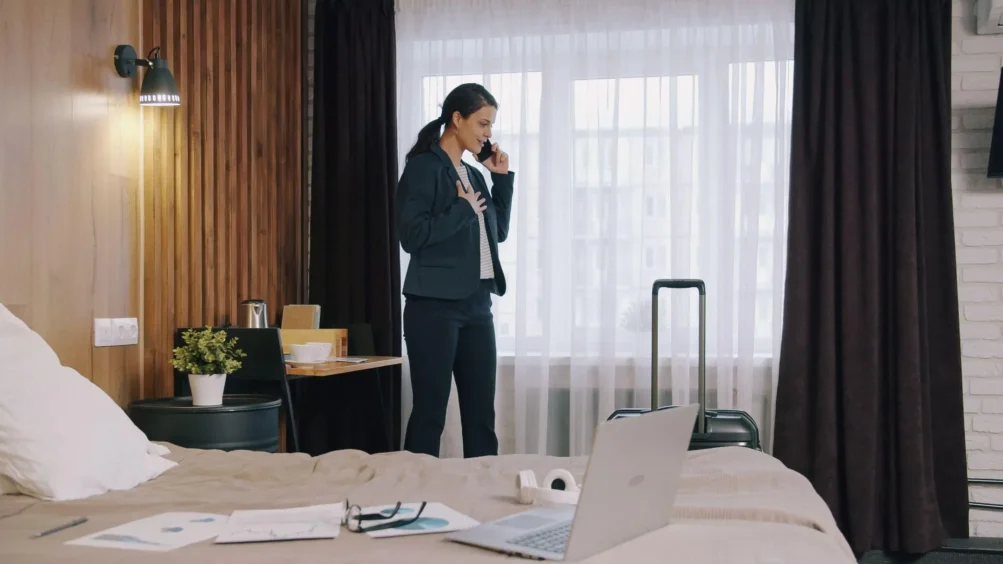
4. Follow Up Within One or Two Days After the Stay
Many hospitality businesses communicate actively before arrival and then disappear after checkout.
That is a missed opportunity.
A simple post-stay email sent within one or two days can close the experience professionally and create a natural path toward a future visit.
The email should begin with a genuine thank-you. Keep the language personal and straightforward rather than turning the opening paragraph into another promotion.
Then ask for feedback.
If online reviews matter to the business, provide a clear review request. Do not bury it below several promotional sections. Guests are more likely to understand what you want when the email has one obvious action.
The same email can introduce a reason to book directly next time. This does not always need to mean a large discount.
Possible direct-booking benefits might include:
- a flexible booking condition;
- a small property-specific perk;
- priority consideration for certain room preferences;
- a package unavailable through other channels;
- a simple return-guest offer.
Only promise benefits the business can consistently provide.
Restaurants can use the same approach after reservations or special events. Tour companies can follow up after an excursion. Travel agencies can reconnect after the client returns home.
The format changes, but the idea remains the same: thank the customer while the experience is still recent and give them a clear reason to stay connected.
5. Use “Same Time Next Year” and Seasonal Emails
Travel often follows patterns.
Families travel around school breaks. Couples may return for anniversaries. Business travelers often visit the same region for recurring meetings or events. Cruise passengers may plan another sailing the following year.
Previous stay dates can therefore become useful signals for travel email marketing.
A hotel can contact a guest ahead of the period when they stayed previously with a simple message such as: “Planning another Space Coast trip this spring?”
The timing should allow enough room for travel planning rather than arriving after the guest has already booked elsewhere.
Seasonal campaigns should also reflect the reason for travel. Instead of sending one generic promotion to the entire database, create a few broad segments.
For example:
Family travelers: emphasize room setup, nearby attractions, beaches, pools, and practical family travel information.
Business travelers: focus on location, convenience, Wi-Fi, work-friendly amenities, and straightforward booking.
Cruise travelers: highlight pre- or post-cruise stays, transportation information, parking, and timing.
Leisure couples: focus on dining, beaches, weekend stays, or quieter experiences.
A hotel newsletter can support these campaigns, but it should provide more than a list of offers. Local ideas, upcoming experiences, destination tips, or useful seasonal information give former guests another reason to remain subscribed.

6. Create a Win-Back Email for Lapsed Guests
Some previous guests will stop opening emails or simply will not return for a long period.
That does not mean they should immediately be removed from every campaign, but it does mean the communication should change.
A win back email can be sent after roughly nine to twelve months of inactivity, depending on the normal booking cycle of the business.
Keep it simple.
A useful structure is:
- acknowledge that it has been a while;
- remind the guest what they liked or what the destination offers;
- give them a specific reason to consider another visit;
- provide one clear booking action.
For example, a Space Coast hotel might mention a return to the beach, another cruise departure, or a new reason to plan a Florida getaway.
Personalization helps when the business has reliable information. A previous room type, trip season, or travel category can make the message more relevant.
However, personalization should never feel invasive. There is a difference between “Thinking about another family trip to the Space Coast?” and unnecessarily repeating every detail stored in a customer profile.
The second or third win-back message can be more promotional if needed. If a guest remains inactive, reduce frequency rather than continuing indefinitely.
7. Keep Promotions Connected to the Guest Journey
One of the most common problems in hotel email marketing is treating every subscriber as though they are ready to book today.
Most are not.
A guest who is arriving tomorrow needs practical information. A person who checked out yesterday needs a thank-you. Someone whose last visit was ten months ago may need a reason to return.
Those are three different conversations.
Before sending an email, ask one question:
What is the most useful next step for this guest?
That question keeps campaigns focused.
It also prevents hospitality email marketing from becoming an endless stream of discounts. Price can influence travel decisions, but information, convenience, trust, and timing matter too.
For local restaurants, the same principle could mean separating tourists from repeat local diners. For travel agencies, it could mean distinguishing travelers who have just completed a trip from clients who have not booked for a year.
8. Measure Whether Email Is Creating Repeat Business
Open rates and clicks can help diagnose individual campaigns, but they should not be the final measure of success.
For retention-focused campaigns, three business metrics deserve particular attention.
Repeat Booking Rate
Track how many previous guests return for another stay.
This is one of the clearest indicators of whether the business is developing an audience beyond first-time customers.
Share of Direct Bookings
Watch whether previous guests increasingly book through the hotel’s direct channel.
Email works especially well for this because the business already has an established relationship with the traveler and can send them directly to the relevant booking page.
Unsubscribe Rate
Retention does not mean emailing everyone forever.
A rising unsubscribe rate can indicate excessive frequency, poor segmentation, or messages that no longer match what subscribers expected when they joined.
Consent and CAN-SPAM Basics Still Matter
Hospitality businesses should treat permission and list hygiene as part of the marketing strategy, not as an afterthought.
Use accurate sender information and subject lines. Give recipients a clear way to unsubscribe and honor those requests promptly. Avoid hiding promotional intent behind misleading language.
It is also good practice to keep transactional guest communication separate from optional marketing wherever appropriate. A booking confirmation and a seasonal promotion serve different purposes.
Businesses should review the rules that apply to their own customers and markets rather than assuming that a booking automatically creates unlimited permission for future marketing.
A Simple Guest Email Plan
For a hotel starting from scratch, there is no need to build a complicated automation system immediately.
Begin with four stages:
- Pre-arrival: help the guest prepare.
- Post-stay: thank them and ask for feedback.
- Seasonal return: contact them when another trip becomes relevant.
- Win-back: reconnect when the relationship has gone quiet.
Once those are working, add better segmentation, a useful hotel newsletter, and more targeted campaigns based on the type of stay.
The most effective emails do not feel like isolated advertisements. They feel like a continuation of the guest experience.
That is the real opportunity in hotel email marketing. A hotel, restaurant, travel agency, or tourism business may only serve the customer in person for a short time, but thoughtful communication can keep the relationship alive until the next trip begins.