
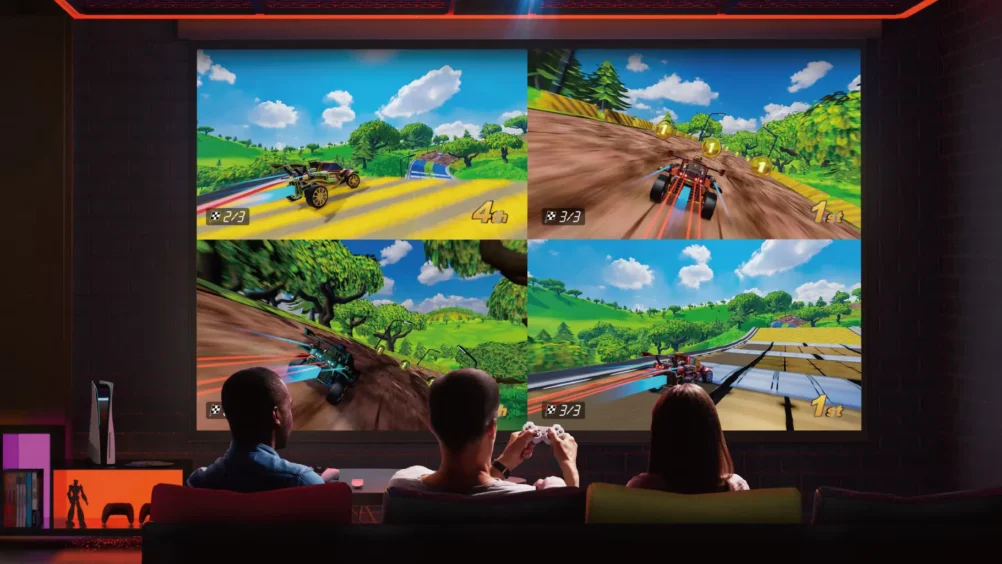
You know that moment when a games night starts well, then slowly turns into something a bit awkward? Someone doesn’t understand the rules or loses interest, and suddenly the energy dips. It doesn’t usually come from bad intentions, just a mismatch between expectations and what actually feels fun in the room. The best nights don’t rely on complicated setups or clever ideas. They come from simple choices that help people feel comfortable enough to join in properly, without worrying about getting things wrong.
Start with the right atmosphere, not just the games
The success of your night depends just as much on how people feel as what they play. If the room feels stiff or overly structured, people hold back and conversations don’t flow. You can avoid that by keeping things relaxed from the start and not treating it like an event that needs managing.
Set the room up so people naturally settle in together. Softer lighting helps people relax, while a bit of background music fills awkward silences without getting in the way of conversation. If you arrange seating in small clusters instead of rows or rigid spots, you make it easier for people to talk and switch groups throughout the night.
Choose games that everyone can actually enjoy
You get better energy when nobody feels left behind. If you pick games that take too long to explain or rely on specialist knowledge, people switch off before they’ve even started. Instead, you want games that people can understand in a minute and join without pressure.
Short, repeatable rounds work well because they let people dip in and out without losing the flow. You can also mix physical and digital options, so the pace never feels flat. Light-touch online games fit neatly into this kind of setup, especially when you want something everyone can access quickly. Using a simple online option, such as an online arcade game, can help keep everyone involved without the need for complicated rules or setup, and it keeps attention on the shared moment rather than instructions.
Keep the night flowing without over-managing it
You don’t need to control every part of the evening for it to go well. In fact, the more you step back, the more naturally the group tends to settle into its own rhythm. If people want to chat mid-game or take a short break, that space keeps the night from feeling forced.
Rigid schedules usually kill momentum, so you’ll get better results by letting the group decide what feels right next. When energy rises, you play. When it dips, you pause and talk. That flexibility keeps people engaged because nothing feels like an obligation.
Ultimately, the best games nights aren’t about winning or perfect organisation. They’re about creating space where people feel relaxed, included, and free to join in at their own pace. Keep it simple, stay flexible, and focus on shared laughter rather than structure, and the night will take care of itself.




You must be logged in to post a comment.