
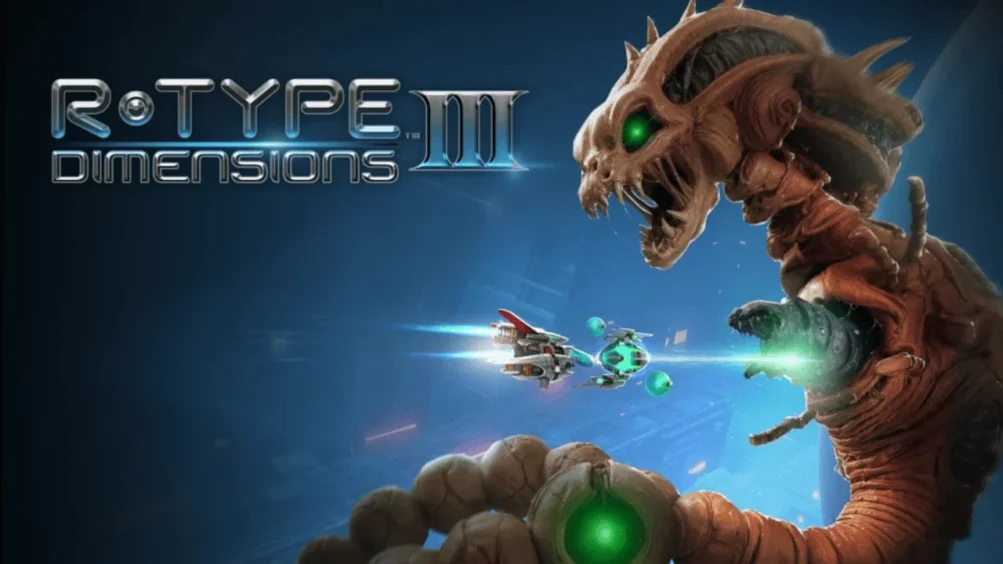
There are some games that never really leave you, even decades later. The R-Type series is one of those names that instantly brings back memories of old-school arcade punishment, memorising enemy patterns, and getting absolutely destroyed within seconds of spawning.
R-Type 3 Dimensions on PC takes that legacy and tries to do something quite bold — bring a classic, brutally difficult 2D shooter into a modern 3D presentation without losing what made it iconic in the first place.
After spending a good amount of time with it, I can say this straight away: it absolutely respects its roots, but it does not soften the experience for modern players. If anything, it doubles down on the idea that you’re going to learn through failure. A lot of failure.
First Impressions – Familiar Pain, New Coat of Paint
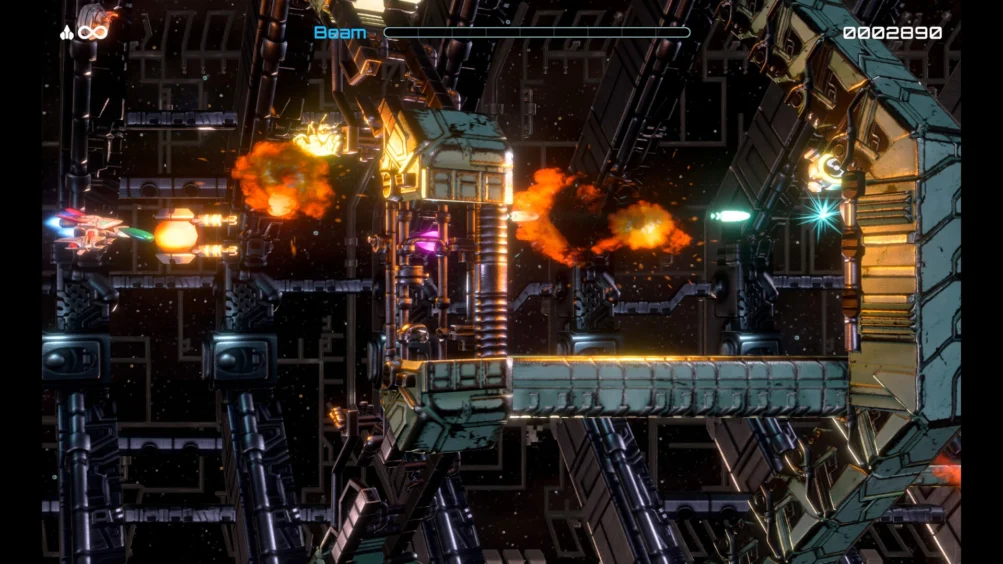
Jumping into R-Type 3 Dimensions on PC feels instantly familiar if you’ve ever played the original arcade entries or console ports. The first thing that hits you is how little the core gameplay philosophy has changed.
You are still a lone ship. You are still massively outnumbered. And you are still expected to survive waves of enemies that seem designed specifically to punish hesitation.
What has changed is presentation. The shift into 3D visuals gives everything a sharper, more modern look, especially in motion. Explosions feel more dynamic, enemy ships have more detail, and the environments have a sense of depth that the original hardware could never deliver.
But underneath all of that, it is still very much R-Type. And that is both its biggest strength and its biggest barrier.
Gameplay – Pattern Recognition or Death
Let’s be honest — R-Type has never been about casual play.
This is a game built around memorisation, patience, and repetition. You are not expected to react perfectly on your first run. You are expected to fail, learn, and slowly improve.
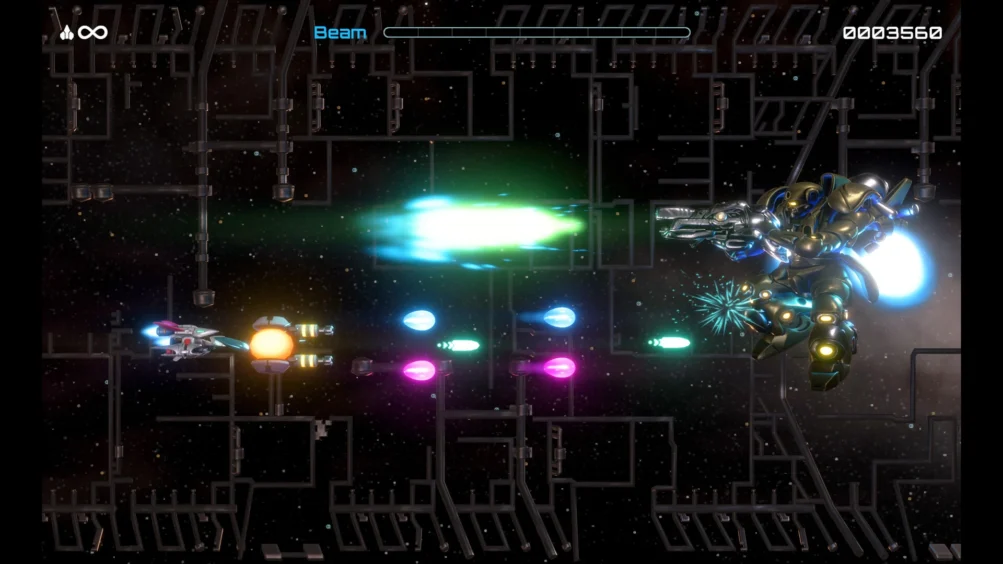
I lost count of how many times I replayed the early stages just to get through them cleanly. At first, it feels almost unfair. Enemies appear from off-screen, hazards are placed in awkward positions, and bosses can wipe you out in seconds if you don’t already know what’s coming.
But that’s the loop. Once you start recognising patterns, everything clicks into place in a very satisfying way. You start reading enemy movement instead of reacting to it. You begin positioning yourself not just for survival, but for efficiency.
And when you finally clear a section that previously felt impossible, the game delivers that very specific kind of satisfaction only arcade shooters can provide.
The Force Mechanic – Still the Star of the Show
If there is one thing that defines R-Type, it’s the Force system — that detachable pod that can attach to your ship or float independently.
In R-Type 3 Dimensions, it still feels like the most important part of your entire loadout. It’s not just a weapon; it’s a survival tool. Learning when to attach it, when to detach it, and how to position it properly is the difference between clearing a stage or restarting it for the tenth time.
There were moments where I relied on the Force more than my actual ship. Using it defensively to block incoming fire or offensively to clear tight corridors becomes almost second nature after a while.
It’s still one of the most unique mechanics in the genre, and it holds up surprisingly well even today.
Difficulty – Unforgiving, But Honest
There’s no sugar-coating it: this game is hard. Properly hard.
Not “modern hard” where checkpoints are generous or difficulty scales down over time. This is old-school arcade difficulty where mistakes are punished immediately and progress is earned through repetition.
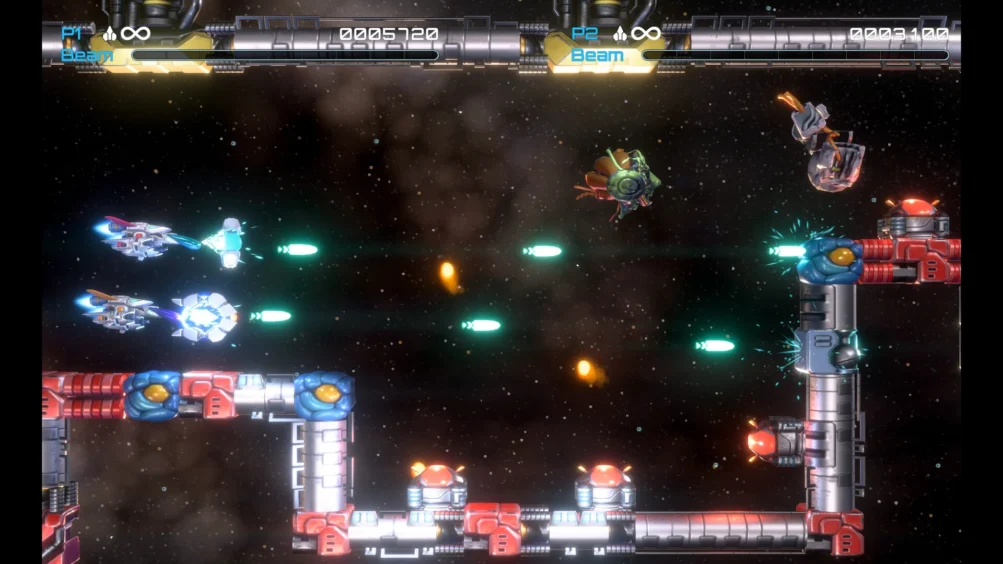
At times, it can feel overwhelming. Especially when later stages start layering multiple enemy types, environmental hazards, and boss mechanics all at once. There were moments where I genuinely thought the game was asking too much.
But the more I played, the more I realised something important — it’s consistent. It doesn’t cheat. It doesn’t randomly change rules. Everything that kills you can be learned and avoided. It just takes time.
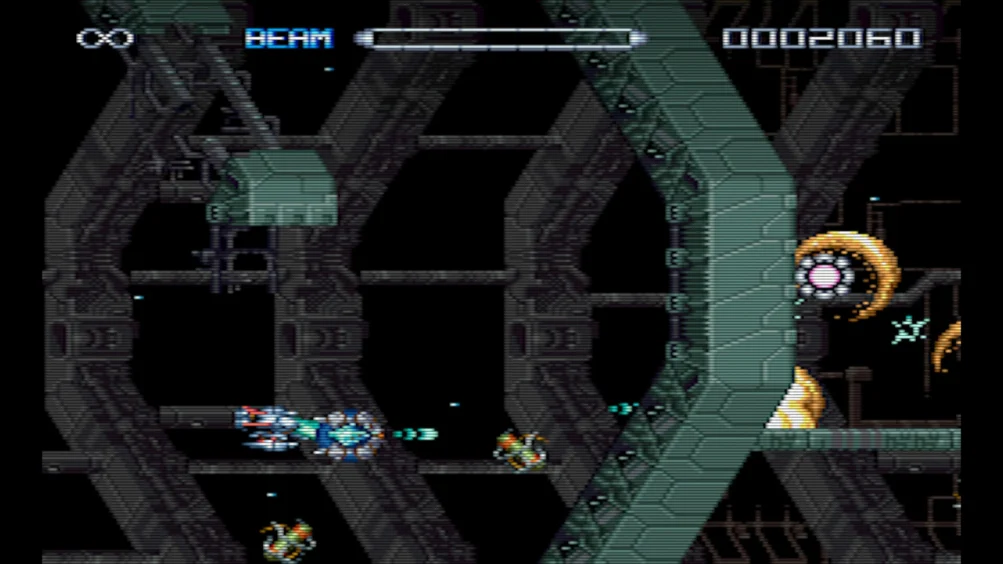
Visual Presentation – 3D Upgrade with Mixed Results
The shift into 3D is probably the most noticeable change, and it’s a bit of a mixed bag depending on what you value.
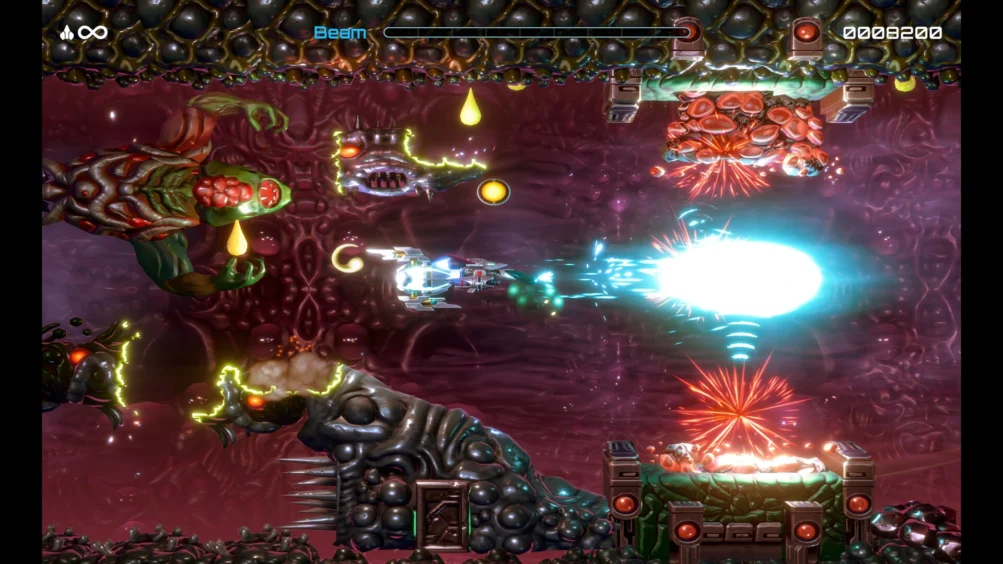
On one hand, the environments look much more modern and detailed. Space stations, alien structures, and mechanical corridors all benefit from the added depth. There are moments where the game genuinely looks impressive, especially during large-scale enemy encounters.
On the other hand, the original 2D clarity of R-Type is slightly lost at times. In a game where split-second positioning matters, visual clarity is everything. Occasionally, the added effects and depth can make it harder to read incoming threats quickly.
It’s not a deal-breaker, but it does change the feel of the game slightly compared to its arcade roots.
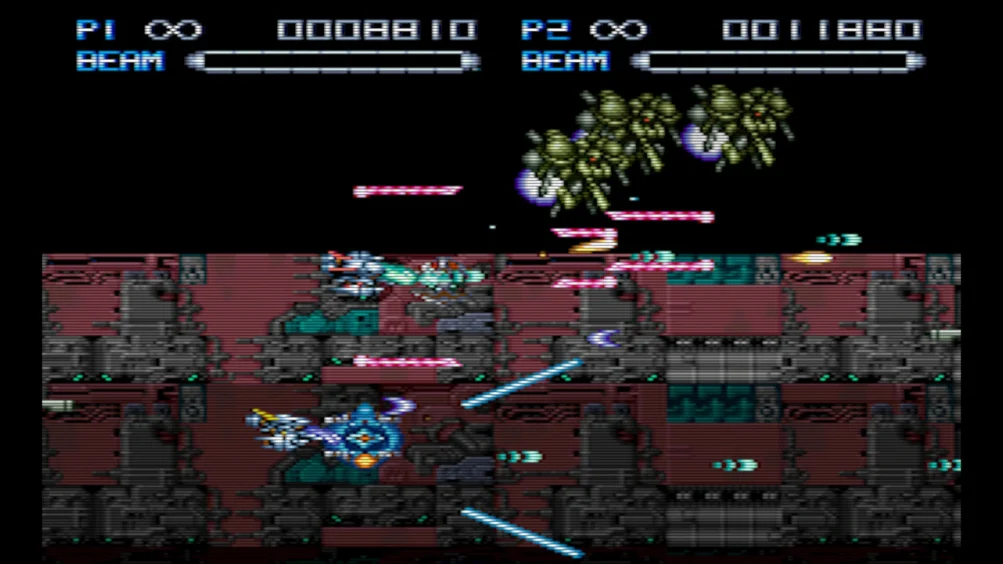
Controls and Feel – Tight, But Demanding
Controls are responsive, which is essential for a game like this. Your ship moves exactly where you tell it to, and there’s no noticeable input delay.
However, responsiveness alone doesn’t make things easy. The game demands precision at all times. Slight mispositioning or hesitation often leads to instant failure, especially in later stages.
There is a rhythm to how you’re supposed to move, shoot, and deploy the Force, and once you understand it, everything feels smoother. Until then, it can feel overwhelming and punishing.
Sound Design – Classic Arcade Energy
The audio does a lot of work in keeping the arcade feel alive.
Weapon sounds are punchy, explosions have weight, and the soundtrack leans heavily into tension-driven sci-fi energy. It’s not overly complex, but it doesn’t need to be.
What stood out most to me is how well the sound supports gameplay clarity. You can often tell what’s happening off-screen just from audio cues, which is incredibly important in a game this fast-paced.
Replay Value – Built for Repetition
Like most arcade shooters, R-Type 3 Dimensions is built for replaying stages over and over again.
This isn’t a one-and-done story experience. It’s about mastery. Improving runs. Learning enemy placements. Finding cleaner ways through difficult sections.
There is real satisfaction in going back to earlier stages and absolutely dominating them after previously struggling for hours. That sense of growth is what keeps the game engaging long after the first completion.
Final Thoughts
R-Type 3 Dimensions on PC is not trying to reinvent the shoot ’em up genre. It’s not trying to modernise it in a way that removes its identity. Instead, it preserves the core arcade experience and wraps it in a more visually updated package.
That means it won’t be for everyone. Modern players expecting accessibility, checkpoints, or forgiving mechanics will likely bounce off it quickly. But for players who appreciate old-school design philosophy and pattern-based challenge, this delivers exactly what it promises.
It’s brutal, it’s demanding, and at times it will absolutely test your patience. But when everything clicks, it delivers a level of satisfaction that modern shooters rarely match.
R-Type 3 Dimensions is a faithful, uncompromising return to one of the most iconic arcade shooter franchises. It doesn’t modernise itself for everyone — and that’s exactly why it still works.
R-Type 3 Dimensions Trailer
Read more awesome reviews >>here<<.
The game was provided to us for the express purpose of reviewing.
Written by myself then edited and formed by my partner.
Reviewed on PC.



You must be logged in to post a comment.