
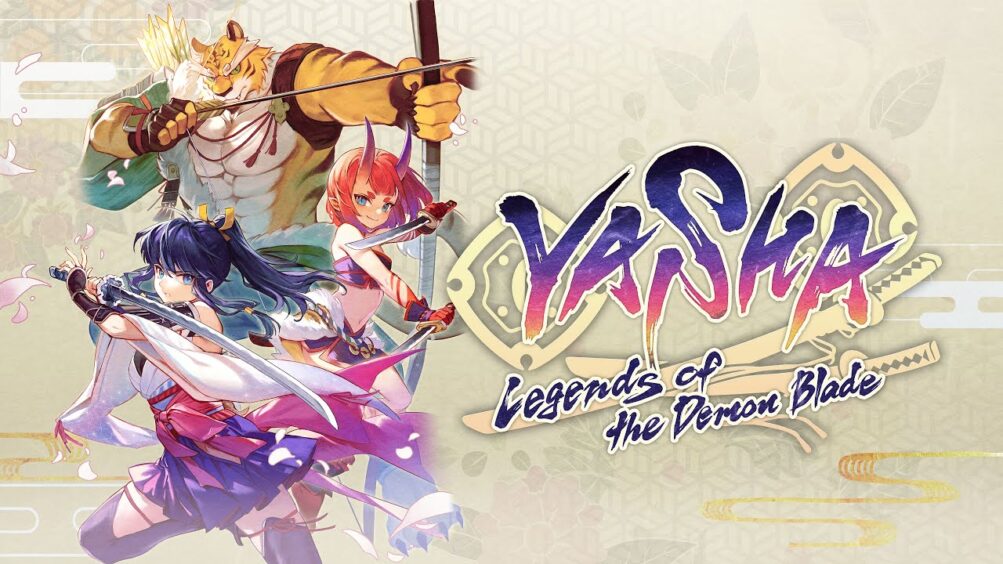
Yasha Legends of the Demon Blade was something I was really ecstatic to try out after tasting the sweet ecstasy of demon blood for the first time. The game’s demo, which had quite a lengthy progression, was such a fun experience that I just couldn’t let it end there.
However, came May 15th and, the childlike grin that I had as if I was opening a brand-new toy on Christmas Eve suddenly turned upside down after having a couple of hours with it. Because sadly, the game that had left such a good first impression on me, just couldn’t follow through ‘til the end. So, hear my thoughts as we try to dissect Yasha Legends of the Demon Blade and its demons one slash after the other.
Yasha Legends of the Demon Blade is a game made by an indie game development team in Taiwan. It’s a game that pushes you into the role of a demon slayer in a world where a fox demon is running rampant and spreading chaos. The Action RPG infused with roguelite mechanics is, in one way or another, not a completely unique experience, but it’s one that does feel interesting, to say the least.
Filled with what they consider authentic Japanese ambience, you’re supposed to immerse yourself in its world while enjoying the engaging and seamless combo attacks against hordes of relentless demons. So now my question is… did I get immersed? Yes. Did I enjoy its full combat system and mechanics? Also, yes. But did it last long? Sadly, it did not.
A trio of stories, nothing sticks…
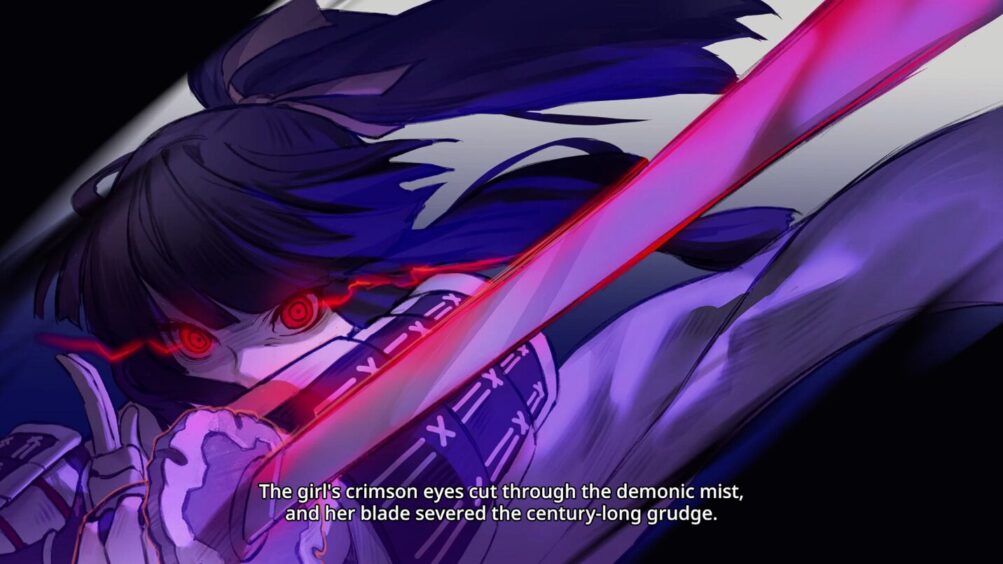
Despite an enjoyable experience, Yasha Legends of the Demon Blade is something that just couldn’t hold itself together as you play through it. Its story that will have you go through three yet unlinked storylines just doesn’t feel as cohesive as I expected it to be. In one run, you’d be in the geta or rather, the wooden sandals of a young yet mysterious woman training in the way of the sword.
On another, you’re an Oni thrown into the mortal realm to look for someone or maybe just a huge bow-wielding talking tiger trying to protect a small little girl. But whatever the case, it’s stories that felt like it was made by completely different people while reusing the same old characters that didn’t really feel like it was worth all the trouble to know.
Although I will say that some of its story does give it some value. While still honestly baffled at the sudden change of direction in the game’s story, the second storyline with Sara, an Oni, had such a twisted take that I just couldn’t help but laugh. Unlike the more serious Shigure story arc, Sara and the many demons that are roaming the land are just hired employees trying to earn a living.
In a weird way, I kind of liked it, but the fact that Yasha Legends of the Demon Blade heavily reuses its assets is a bit troubling. It’s really just a short game made longer by the fact that you’d have to beat the game three times in each of its story arcs without much of a change in scenery or enemies. By the third story arc, I end up finishing the first chapter on the first attempt without any upgrades, which only took half an hour, considering I’ve done it so many times already.

Fun, addictive gameplay, but I wish it lasted longer
Roguelites are repetitive by nature. In fact, not having any repetitiveness could probably question whether I can still call it one. And as an action RPG that does follow the roguelite formula, Yasha Legends of the Demon Blade does tick all of the boxes that I like about them. An addictive combat system, the meta-progression from failed runs, as well as all the spunky weapons and upgrades you can possibly get from one run to the next.
Yasha Legends of the Demon Blade is a bit of a unique one, though. Aside from having three possible characters each with their own unique weapon types like Shigure’s samurai swords to Sara’s twin blades and even Taketora’s bow and arrow, the amount of fun little upgrades you can get for each of them can be quite interesting especially since you’re not at the full mercy of RNG. No, what you have here is freedom. The freedom to choose your preferred weapon to be crafted from blade shafts you’ll find dropped by a boss and then equipped to your hip before starting your next adventure.
Meanwhile, its RNG comes in the form of upgrades called soul orbs. These soul orbs, exclusively dropped after clearing each stage, grant unique effects such as the ability to use another sword’s properties to shoot water blades or even turning your sword into a demon-slaying tactical nuke. Yep, you heard that right. A tactical nuke in the Edo period of Japan. The upgrade was so crazy that it single-handedly made my run of floor 18 in hell mode like I was playing it on easy.

But what really left a sour taste in my mouth is the fact that each of the three chapters and each of its three storyline arcs doesn’t provide anything unique. Once you’ve cleared a chapter, you’ll be thrown back at the village to start the next one while still trying to fight the same types of enemies and the same limited number of bosses. It’s such a repetitive process without any real switch-ups or even added move sets to make it feel a bit more challenging, aside from just injecting them with more HP to make them look tougher.
Weapons, on the other hand, look unique with all sorts of abilities and effects, but they just heavily overlap with other weapons in the game’s different arcs. While some of them can be unique in their own way, there’s just not a lot of identity when a sword imbued with fire meets a bow that shoots fiery arrows.

Great hand drawn visuals capture good moments
In terms of visuals, the Japanese-inspired theme, culture and environment is one that has been overused by so many games in general. However, the hand-drawn visuals and scenes are captivating and emotional. It provides a visually striking aura that, even if its narrative can be bland, having a really good backdrop to hook me in does wonders. Its characters, while few, do have their own identity, even if it means falling into the usual tropes.
The enemies and bosses in Yasha Legends of the Demon Blade, sadly, follow the same trend. There’s just so little variety that it kind of makes saying “repetitive” as being repetitive. Sadly, there isn’t a lot of voice acting involved either, but for a small indie developer, it’s not exactly a deal breaker. It’s good where it has one, and it’s just okay where it doesn’t.
Conclusion
All in all, Yasha Legends of the Demon Blade is a game that tried to spread its wings too thin to apply too much while making too little. It tried to do multiple story arcs while repetitively feeding its players the same thing over and over again.
There’s just a huge lack of variety in terms of its gameplay, stages, bosses and even its weapons that I find myself wondering if the time I spent going through them was actually worth it. I had fun for sure… but at what point did I stop thinking it was fun, and where did it just become a job? It just really fell short of my expectations when it could’ve gone a lot better.
Yasha Legends of the Demon Blade Video Review
Read more awesome reviews >>here<<.
The code was provided by the distributor.



You must be logged in to post a comment.