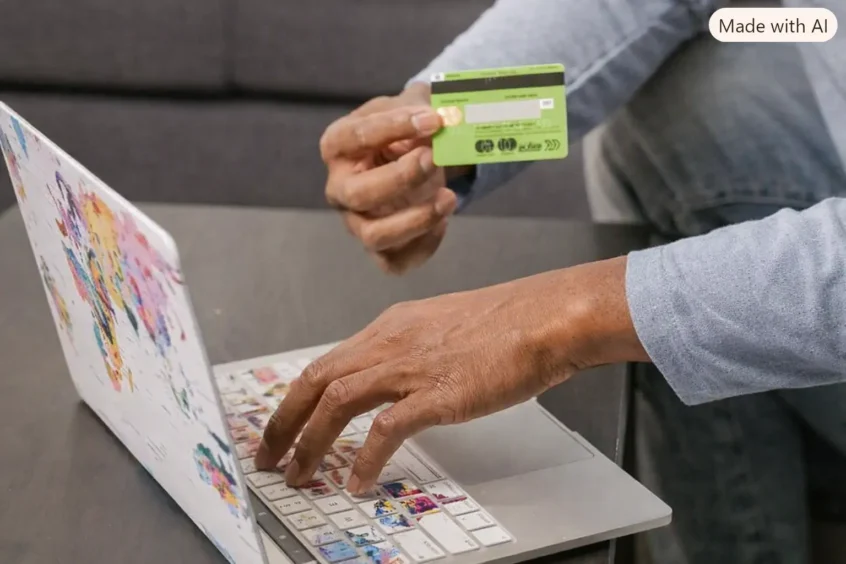
Gaming payments need to feel secure as well as convenient. Players want to know who they are paying, what they are paying for and where to turn if something goes wrong. As purchases increasingly move between platforms and third-party services, high risk POS can help merchants keep payment journeys clear and better protected.
Why trusted checkouts matter more now
A good checkout should make three things clear: where the customer is, what they are buying and which business is taking the payment.
That’s not always straightforward in gaming. A player might buy a game through a digital store, purchase virtual currency through another interface or pay for an event after following a link shared in a gaming community.
A clear checkout also reduces uncertainty, especially when customers are making purchases quickly or returning to a service they already use.
A recognisable merchant name, consistent branding and a clear receipt give customers something they can check if they later spot an unfamiliar payment.
Off-platform journeys create familiar-looking risks
The UK Gambling Commission examined how people were paying to take part in illegal online lotteries and raffles promoted through social media. Its research, published on the 13th of August 2026, found that participants were often directed away from the original platform towards external websites, payment links, PayPal or bank transfers.
These journeys didn’t necessarily look suspicious. A polished payment page using a familiar service could make an activity appear legitimate even when it’s not.
Gaming businesses face similar issues with unofficial ticket resales, virtual-item sellers and promotions shared through gaming communities. A professional-looking checkout isn’t proof that the person receiving money is legitimate.
The customer should be able to identify the merchant before completing the purchase.
Fraud doesn’t always look like fraud
Fraudsters don’t always need to bypass a payment system. Sometimes they persuade customers to authorise the payment themselves.
Which? reported in August 2026 that criminals were increasingly using authorised card payments, with protections available varying according to how the payment was made.
For gaming merchants, this makes basic payment information important.
A vague statement entry such as “PAYMENT 48392” might mean little to a customer. A clear merchant descriptor makes a genuine purchase easier to recognise. Receipts should also state what was bought, how much it would cost and who received the payment.
If a player spots a transaction they don’t recognise, accessible customer support can also help resolve the issue before it damages their confidence in the business.
Security shouldn’t make every purchase difficult
Strong payment controls shouldn’t mean putting every customer through the same checks.
Someone making their usual monthly subscription payment from a familiar device is different from an account that suddenly changes its payment details and attempts several expensive purchases.
Merchants can use controls like:
- Monitoring unusual device or account behaviour
- Setting velocity rules for unusually rapid transactions
- Applying additional verification to higher-risk purchases
- Looking for sudden changes in purchasing patterns
This is especially useful during limited-edition digital drops or busy ticket releases. Large numbers of genuine transactions can happen within minutes, so volume alone shouldn’t automatically trigger unnecessary barriers.
The aim is simple: keep normal purchases moving while giving merchants a reason to investigate transactions that look genuinely unusual.
Payment methods come with different expectations
Customers might assume that every payment method offers similar protection. But they don’t.
The FCA explains that eligible UK APP fraud payments made through Faster Payments or CHAPS from the 7th October 2024 can generally be reimbursed up to £85,000, subject to the relevant rules. Card payments have different arrangements, including chargeback and, in some circumstances, Section 75 protection.
Customers might only discover these differences when something goes wrong. For merchants, that makes prevention and clear communication especially important.
Straightforward checkout information, accurate receipts and sensible fraud controls can reduce confusion before a dispute arises.
Trust should continue after the payment
The payment screen is only part of the customer journey. Consistent branding from the store through to the receipt, easy-to-find refund information and accessible support can all make a merchant feel more trustworthy. Customers shouldn’t have to search across different platforms to work out who has charged them or how to raise a problem.
Payment data can also reveal problems that aren’t immediately obvious.
Repeated chargebacks might indicate fraud, but they could also suggest that customers don’t recognise the merchant descriptor, find subscription terms unclear or misunderstand an additional charge. Looking at these patterns can therefore help merchants improve the wider purchasing experience.
Gaming payments will continue to change as new platforms and purchasing models emerge. Customers don’t need to understand the technology behind every transaction. They just need to know who is taking their money and what support is available if something goes wrong.
For merchants, building that confidence starts with a payment journey that’s clear, recognisable and appropriately protected.
If you enjoy games and gaming and want more NEWS from the Gaming World Click Here