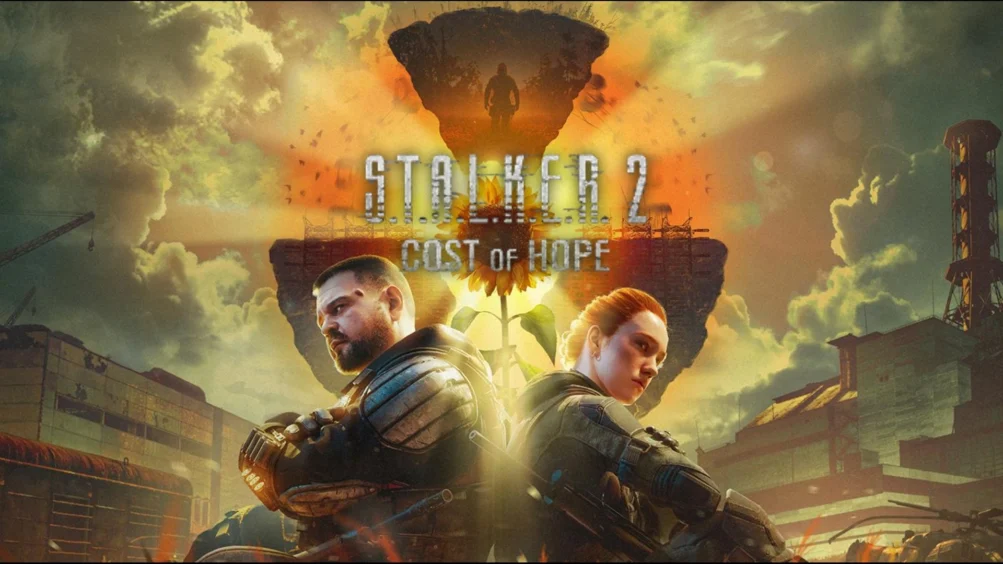
There are some games where you immediately know you are stepping into somewhere that doesn’t want you to be there. S.T.A.L.K.E.R. 2 Heart of Chornobyl has always been one of those games. The Zone is dangerous, unpredictable and, frankly, a bloody miserable place to spend your time. And yet, there is something about it that keeps pulling you back in. S.T.A.L.K.E.R. 2 Cost of Hope, the first major expansion for S.T.A.L.K.E.R. 2, takes that feeling and pushes it even further.
Of course, this isn’t quite the same S.T.A.L.K.E.R. 2 that launched. Before talking about S.T.A.L.K.E.R. 2 Cost of Hope itself, it is important to acknowledge just how much the game has changed. Since release, GSC Game World has continued to work on the game, and Update 2.0, also known as Back to the Zone, is the biggest overhaul the game has received.
Released alongside S.T.A.L.K.E.R. 2 Cost of Hope Update 2.0 is completely free for existing owners and brings a significant engine upgrade to Unreal Engine 5.5.4, improvements to lighting and foliage, changes to A-Life, new weapons, binoculars, fog, custom difficulty settings, new areas to explore and a huge number of fixes. It feels less like a normal patch and more like GSC going back through the foundations of the game and asking what could be made better.
Back Into the Zone
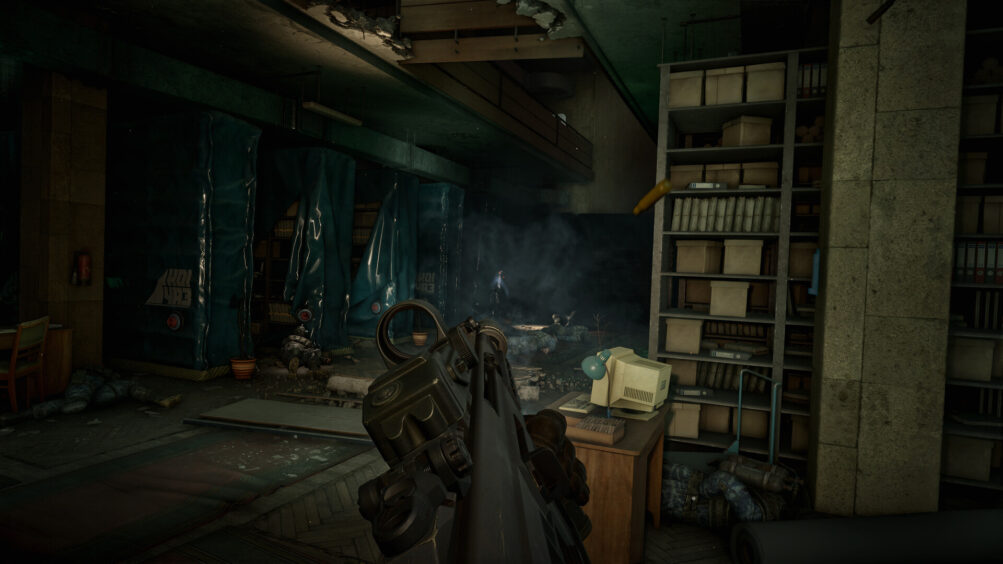
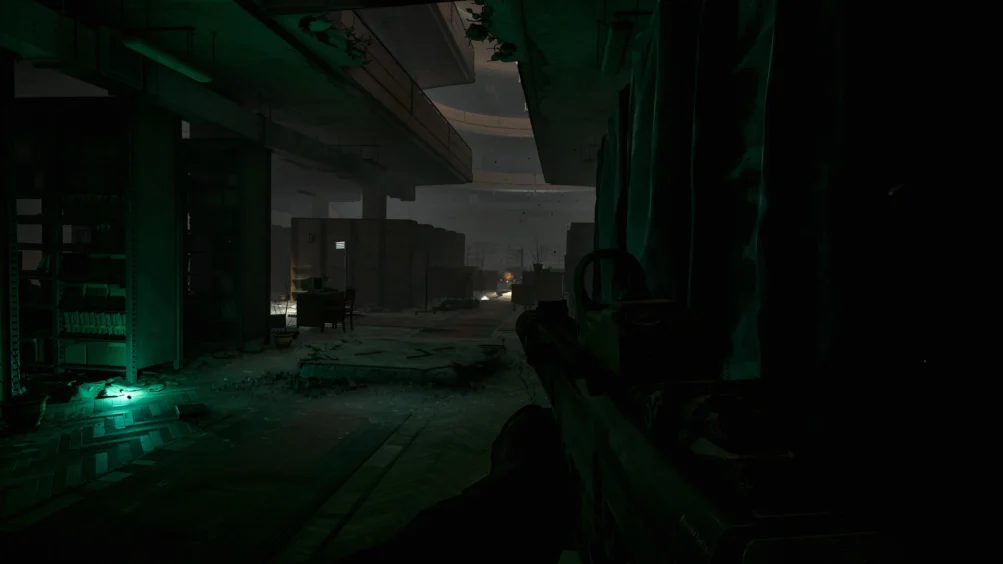
If you played S.T.A.L.K.E.R. 2 at launch and haven’t returned since, the first thing you will notice is just how much better the Zone can look. The lighting has been significantly reworked, with improved shadows and reflections across outdoor areas, buildings and underground locations. The landscape and foliage have also been reworked, making the Zone feel more natural and atmospheric.
It was already a beautiful game in places, but there is something about the new lighting that makes exploring the Zone feel even more dangerous. Walking through an abandoned building while the light changes outside, heading underground or simply wandering through thick vegetation can create some genuinely impressive moments.
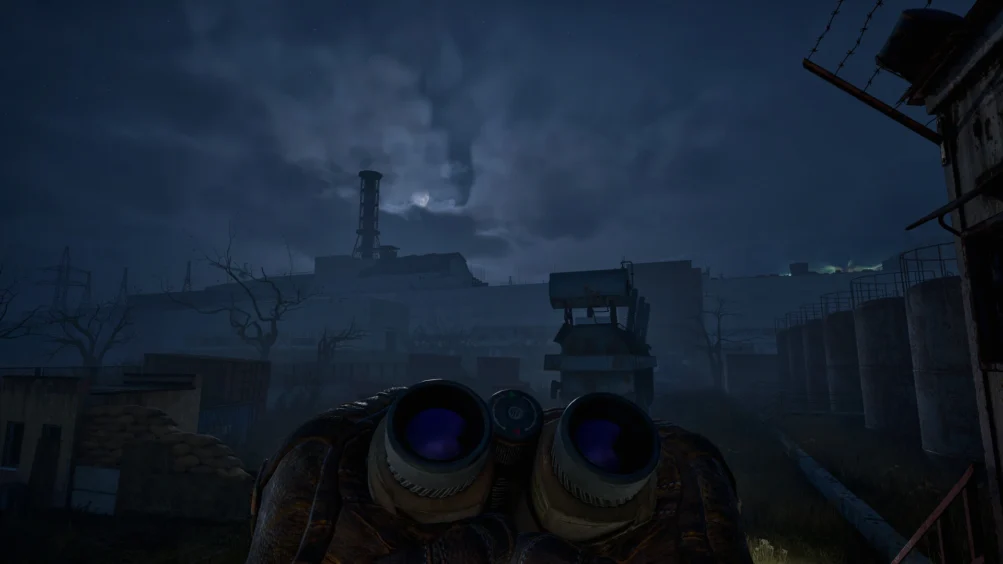
The new fog system is another excellent addition. Fog isn’t simply there to make the Zone look pretty either. It affects visibility and sound, meaning it can change how you approach an encounter. You might spot less, hear less and have less information about what is waiting for you. In a game built around uncertainty, that works extremely well.
The Zone Feels More Alive
One of the biggest changes in Update 2.0 is the work that has gone into A-Life. The idea behind A-Life has always been that the Zone should feel like a living ecosystem rather than a collection of enemies waiting for the player to arrive.
Update 2.0 takes another big step towards that goal. Stalkers and mutants can now contest more locations across the Zone, including campfires, bus stops and other points of interest. Stalkers can also loot fallen bodies rather than simply leaving everything where it was. There have also been fixes for a range of AI and world simulation problems that could previously make encounters feel artificial.
Is it perfect? No. I still encountered moments where the game reminded me that, underneath all of this, I was still playing a video game. But the difference is noticeable. The Zone feels less like a theme park where enemies appear because you’ve entered an invisible trigger and more like a place where things can happen without you being directly involved.
And that is exactly what S.T.A.L.K.E.R. needs.
Welcome to S.T.A.L.K.E.R. 2 Cost of Hope
S.T.A.L.K.E.R. 2 Cost of Hope puts you back in the boots of Skif, with the events of the expansion taking place alongside the story of Heart of Chornobyl. The story revolves heavily around the conflict between Duty and Freedom, two factions that have never exactly been known for getting along.
There is a lot more going on than simply picking a side and shooting everyone wearing the wrong uniform, though. The relationship between the factions is built around the D4 Treaty, and S.T.A.L.K.E.R. 2 Cost of Hope uses that fragile peace to explore the different ways people view the Zone. Is it something that needs to be destroyed because it represents a threat to humanity, or is it something that should be studied and understood?
That philosophical conflict fits S.T.A.L.K.E.R. perfectly. The series has always been at its best when it isn’t simply telling you that one side is good and another is evil. Everyone has their own reasons for being in the Zone, and quite often those reasons make sense until you start digging a little deeper.
The Zone Gets Bigger
S.T.A.L.K.E.R. 2 Cost of Hope also gives you new parts of the Zone to explore, including the long-awaited Iron Forest and the Chornobyl Nuclear Power Plant. These aren’t simply small additional locations added to the existing map. They are substantial regions containing their own locations, quests, activities and secrets.
The Chornobyl Nuclear Power Plant in particular feels like one of those places that S.T.A.L.K.E.R. fans have been waiting to properly experience. There is something special about finally being able to push deeper into a location that has been so important to the series’ identity.
And this is where S.T.A.L.K.E.R. 2 Cost of Hope really benefits from the open-world design. You aren’t constantly being dragged from one mission marker to the next. You can head off in another direction, investigate something you see in the distance, search an abandoned building or simply get completely distracted by something that wasn’t even part of your original plan.
That is S.T.A.L.K.E.R. at its best.
It Still Wants You Dead
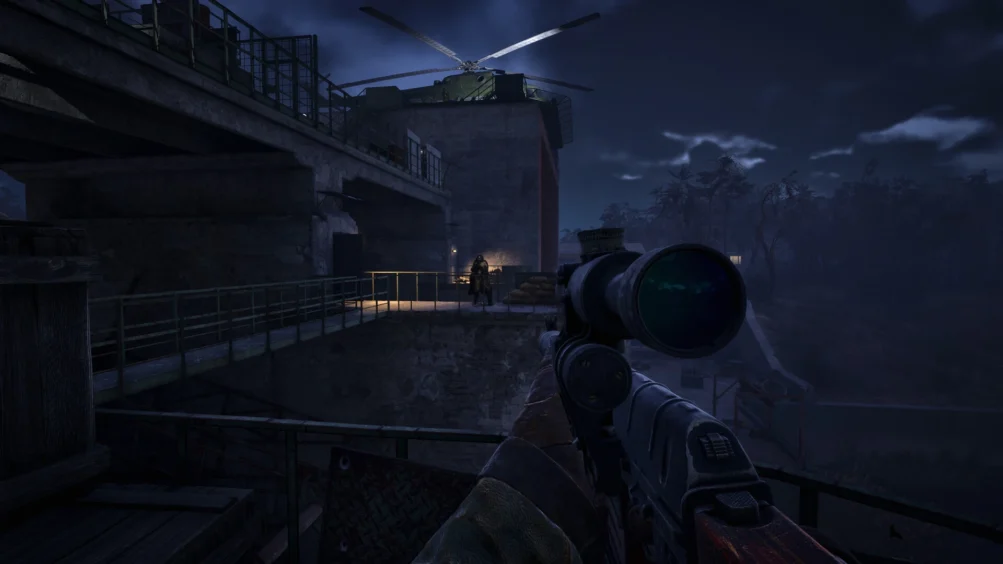
The best thing about S.T.A.L.K.E.R. 2 remains its atmosphere. This isn’t a game where you eventually become some unstoppable killing machine and start clearing rooms without thinking. You can become better equipped, but the Zone never really stops being dangerous.
There are still moments where you think you’ve got everything under control before something goes horribly wrong. Maybe you run out of ammunition, stumble across a mutant you weren’t expecting or walk straight into an anomaly that you failed to notice. Sometimes the smartest thing you can do is simply turn around and run.
I love that.
There is something refreshing about a game that isn’t constantly trying to make you feel powerful. The Zone doesn’t care how much progress you’ve made. It doesn’t care how good your equipment is. If you make a stupid decision, it can punish you for it.
More Toys for the Stalker
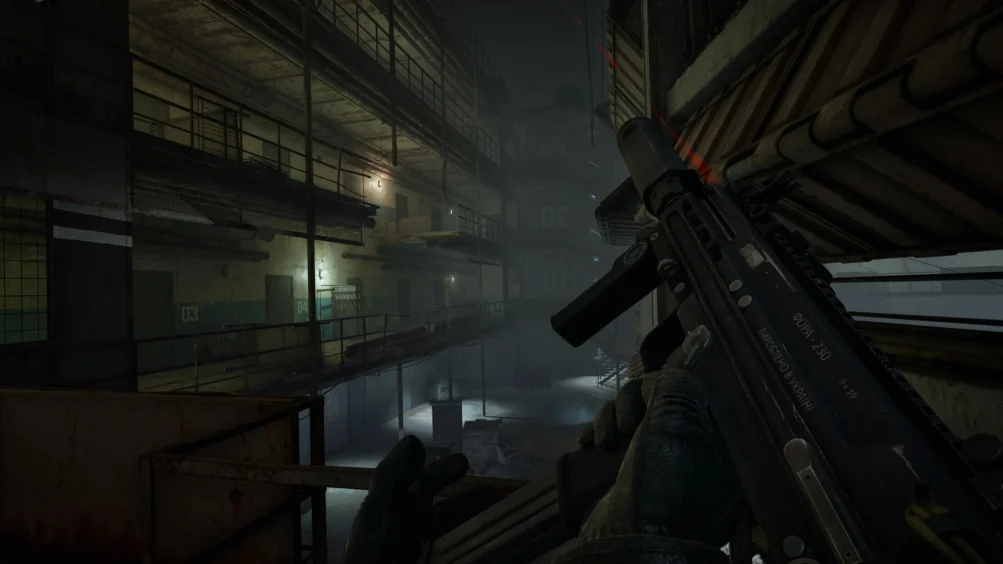
Update 2.0 also gives you more ways to approach combat. Four new weapons have been added to the base game, including the Arev assault rifle, GP3A DMR, SKP DMR and Fora-230 SMG. There are also new optics, including a 3x scope for Western weapons and a new red-dot sight for Eastern weapons.
Three types of binoculars have also been added, which might sound like a small thing but actually fit the game extremely well. Being able to properly scout an area before committing yourself to a fight feels like something that should have been there from the beginning.
The addition of Custom Rules difficulty is another welcome change. You can adjust the experience to suit how you want to play rather than being forced into one particular balance. Want harder combat but a more forgiving economy? You can do that. Prefer to make certain aspects of survival more punishing? You can do that too.
The Rough Edges Haven’t Completely Disappeared
Now, I’m not going to sit here and pretend that Update 2.0 has magically transformed S.T.A.L.K.E.R. 2 into a completely flawless game.
It hasn’t.
There are still moments where the game can be rough around the edges. You can still encounter strange AI behaviour, occasional visual oddities and the sort of little bugs that remind you just how ambitious this game is. The Zone is considerably better than it was, but there are still times when something happens and you just have to sit there thinking, “Well, that was definitely not supposed to happen.”
Thankfully, GSC continues to address these issues. Patch 2.0.5, released in September, brought more than 200 additional fixes, including improvements to controller input, NPC hearing during foggy and stormy weather, night-time issues and problems involving disappearing NPCs and bodies. That continued support matters because S.T.A.L.K.E.R. 2 is the kind of game that benefits enormously from being given time to mature.
Why S.T.A.L.K.E.R. 2 Cost of Hope Works
What I like most about S.T.A.L.K.E.R. 2 Cost of Hope is that it doesn’t feel like a disconnected side adventure. It feels like another chapter of S.T.A.L.K.E.R. 2.
The atmosphere is still there. The strange characters are still there. The uncomfortable decisions are still there. The Zone is still trying to kill you, and you are still going to make questionable decisions because you’ve spotted something interesting on the other side of a field.
That is what makes the expansion work.
It also helps that you don’t have to treat Update 2.0 and S.T.A.L.K.E.R. 2 Cost of Hope as two separate experiences. The free update improves the foundations, while the expansion gives you another reason to explore them. The combination makes returning to the Zone feel worthwhile rather than simply being another excuse to install the game again.
Is It Worth Returning to S.T.A.L.K.E.R. 2?
If you played S.T.A.L.K.E.R. 2 at launch and walked away because of the technical problems, I would absolutely recommend giving it another chance.
I’m not saying every problem has disappeared, because it hasn’t. What I am saying is that the game now feels considerably closer to the experience GSC originally wanted to deliver.
For anyone who already enjoyed Heart of Chornobyl, S.T.A.L.K.E.R. 2 Cost of Hope is an easy recommendation. You get more story, more places to explore, more reasons to get yourself into trouble and another excuse to spend far too many hours wandering around the Zone when you should probably be doing something else.
Final Verdict
S.T.A.L.K.E.R. 2: Cost of Hope is exactly the sort of expansion I wanted from Heart of Chornobyl. It doesn’t try to throw away what made the original game special. Instead, it expands the Zone, introduces another substantial story and gives players more reasons to explore one of gaming’s most atmospheric open worlds.
But the real story here is the combination of S.T.A.L.K.E.R. 2 Cost of Hope and Update 2.0. The free update has made some major changes to the underlying game, from the Unreal Engine upgrade and visual improvements to A-Life, new weapons, binoculars, fog and custom difficulty. Add in the continued fixes, including the substantial 2.0.5 patch, and S.T.A.L.K.E.R. 2 is in a much stronger position than it was when it first launched.
It isn’t perfect, and there are still moments where the Zone’s rough edges show through. But honestly, I would rather have a game with this much character, atmosphere and unpredictability than something polished to death and completely forgettable.
S.T.A.L.K.E.R. 2 Cost of Hope makes the Zone worth returning to, while Update 2.0 makes it a better place to get lost in.
S.T.A.L.K.E.R. 2 Cost of Hope Trailer
For these reasons, I’m giving S.T.A.L.K.E.R. 2 Cost of Hope a score of 9 out of 10.
Read more awesome reviews >>here<<.
The game was provided to us for the express purpose of reviewing.
Written by myself then edited and formed by my partner.
Reviewed and played on PC.
Review Summary
What is S.T.A.L.K.E.R. 2: Cost of Hope?
Cost of Hope is the first major expansion for S.T.A.L.K.E.R. 2: Heart of Chornobyl, adding a new story, locations and plenty more reasons to return to the Zone.
What does Cost of Hope add?
The expansion adds new areas including the Iron Forest and Chornobyl Nuclear Power Plant, while Update 2.0 brings improved visuals, A-Life, new weapons, fog, binoculars and custom difficulty.
What are the problems?
Some bugs, AI issues and rough edges remain, although Update 2.0 and subsequent patches have significantly improved the experience.
Is S.T.A.L.K.E.R. 2: Cost of Hope worth playing?
Absolutely. Cost of Hope is a great reason to return to the Zone, especially now that Update 2.0 has made the overall experience considerably better.
What score does S.T.A.L.K.E.R. 2: Cost of Hope get?
9/10