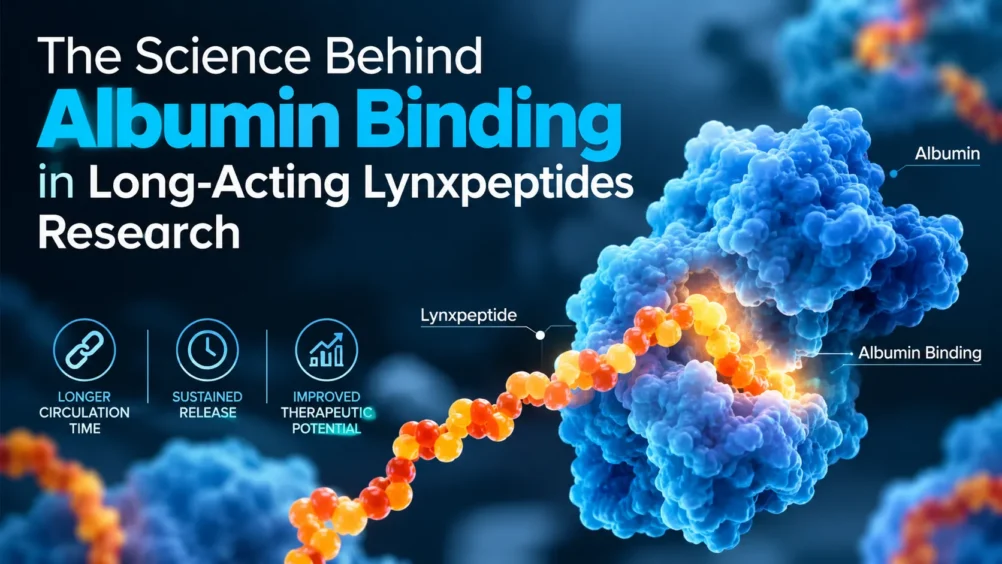
Native GLP-1 is a gut hormone. It is behind many new metabolic drugs. It stays in the blood for only about two minutes. Semaglutide is a modified form of this samelynxpeptides. It stays in the blood for about a week.
Same basic backbone. A gap of more than 5,000 times. The main reason is one protein that most people know from a blood test. It is called albumin.
Why Albumin Matters to GHK CU Peptides UK Researchers
Albumin is the most common protein in human plasma. It is a natural carrier for things like fatty acids, hormones, and copper ions. This is why people in labs working with GHK CU Peptides UK keep an eye on albumin chemistry. Albumin holds copper at a strong spot close to its N-end, and studies by Pickart and others show the GHK tripeptide grabs copper just a bit tighter than the albumin spot. Because of this, the two can give copper to each other in plasma. Knowing about albumin helps us know how many peptides act when they go into a living system.
Why Small Peptides Disappear So Fast
Most short peptides have two main problems when they are in the blood:
- Enzymes break them down. Proteases like DPP-4 cut native GLP-1 in just a few minutes.
- Kidneys filter them out. The kidneys have a filter that lets small things go through with ease. Albumin has a size of about 66 kDa. It is big, so most of it stays back and does not go through.
A peptide that is moving around alone is open to the outside on both sides. But if a peptide is on albumin, it is safe and covered on both ends.
How Albumin Binding Extends Half-Life
Albumin stays in the blood for about three weeks. It does not break down fast because the neonatal Fc receptor (FcRn) saves it inside cells and sends it back into the blood. If a peptide sticks to albumin but can let go again, it gets some of that long life in the blood.
The binding can go both ways, and this is done on purpose. At any time, only the small part that is not bound is active. The rest stays attached and acts like a slow-release pool.
The Fatty-Acid Trick
The way that works best is called lipidation. You add a fatty acid side chain to the peptide with a linker. Albumin has spots made to hold fatty acids. That means the changed lynxpeptides fits right in.
The numbers show how well this works. In its review of semaglutide, the U.S. FDA said the drug is more than 99% bound to plasma proteins, and albumin is the main one. The half-life is about 155 hours in healthy people. This is the reason GLP-1 drugs went from being used every day to just once a week.
Other Albumin Strategies in Research
- Albumin-binding peptide tags catch albumin but do not use a lipid.
- The peptide is joined directly to albumin through genetic fusion.
- Small-molecule binders are taken from drug-like ligands that go with albumin.
Each one changes things like size, strength, and how easy it is for the peptide to come out.
For a better idea of how this science has gone, see Loren Rauch’s recent Medium essay on GLP-1 medicines, “We May Have Only Seen the Elephant’s Tail”. The essay shows the many things people are looking into now.
If you are getting GHK CU Peptides UK for copper studies in the UK, you can’t ignore albumin. It is not just extra detail. This is the main thing the lynxpeptides will mix with in any test that uses plasma.
FAQs
What is albumin binding?
Albumin binding happens when a molecule sticks to serum albumin for a short time and can let go again. This can make the molecule stay in the body longer and not leave as fast.
The kidney does not filter albumin because albumin is big. It also has a negative charge. So, the filter in the kidney keeps most of the albumin from going through.
Does a bound peptide stay inactive?
Most of the time, yes, it does not do much when it is bound. Activity comes from a small free part that is always made again and again.
How does GHK relate to albumin?
GHK and albumin both hold onto copper(II) very well. Studies show that GHK can take copper from where albumin carries it.
Conclusion
Albumin binding is a great way to make peptides last longer. It helps to keep the peptides safe from enzymes. This stops them from getting removed by the kidneys. Albumin also gives peptides the same long life that albumin has, which is about three weeks.
If you work with GHK CU Peptides UK, it is good to know how albumin works with copper and lynxpeptides. This can help you make better tests and get good data.
Which albumin plan do you feel will lead in the next ten years of peptide work?