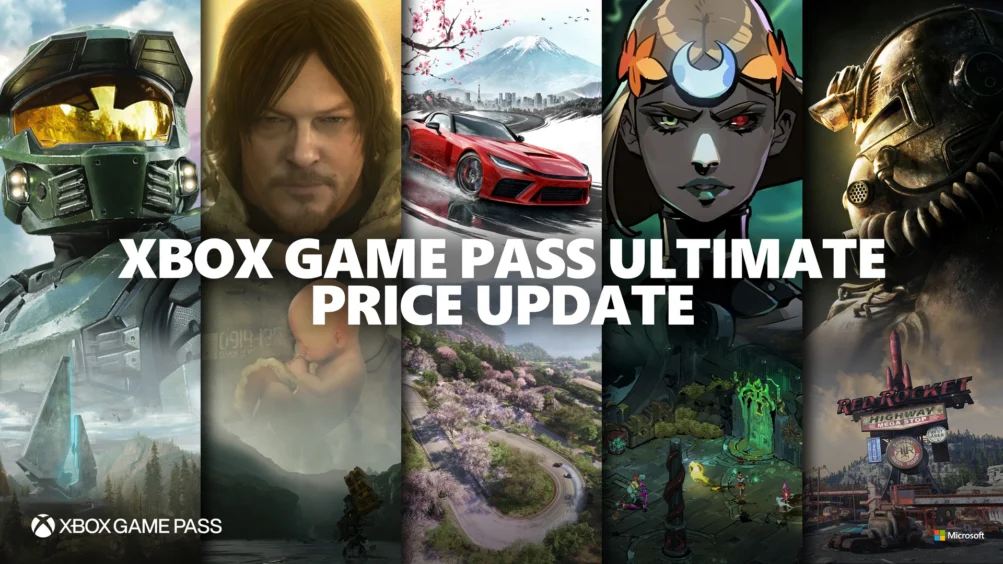
Xbox has just pulled off one of its most surprising subscription moves in years — and it’s a mix of good news and a reality check depending on how you use Xbox Game Pass.
On one hand, prices are coming down. On the other, one of the biggest selling points in gaming — day-one access to Call of Duty — is being pulled back. It’s a clear signal that Game Pass is evolving again, and not everyone is going to love the direction it’s heading.
Game Pass Price Drop — A Rare Move in Today’s Market
Starting immediately, Microsoft is lowering the cost of its two core tiers:
- Game Pass Ultimate: $29.99 → $22.99
- PC Game Pass: $16.49 → $13.99
Live in the UK
- Game Pass Ultimate: Now £16.99
- PC Game Pass: Now £10.99
- Game Pass Premium: Still £10.99
- Game Pass Essential: Still £6.99
In an industry where subscription services almost always trend upward in price, this alone is enough to grab attention. But it’s not happening in isolation — it’s part of a wider restructuring of what Game Pass is supposed to be.
Instead of expanding endlessly with every major release included on day one, Xbox appears to be tightening the model into something more sustainable.
Call of Duty No Longer Lands Day One on Game Pass
The biggest headline change affects one of gaming’s most important franchises.
New entries in the Call of Duty series will no longer launch day one on Game Pass. Instead, they will arrive roughly a year after release, typically during the following holiday season.
Existing Call of Duty titles already in the library will remain available, but the “play it on day one” era for the franchise inside Game Pass is officially over.
And that changes the conversation around value instantly.
Why Xbox Is Making This Move
Microsoft isn’t framing this as a cutback — but the reasoning is fairly clear when you look at the bigger picture.
Day-one blockbuster launches inside a subscription service are expensive. Especially when you’re talking about annual franchises like Call of Duty, which still generate massive standalone sales at launch.
By delaying Game Pass access, Microsoft effectively reintroduces a traditional sales window before the game hits the subscription ecosystem.
It’s a balancing act: keep Game Pass attractive, but not at the expense of full-price launch revenue.
What This Means for Game Pass in 2026
This is where things get interesting.
For years, Game Pass has been built around a simple pitch: “Everything you want, day one.” That message is now changing — even if Microsoft doesn’t say it directly.
Instead, the service is starting to look more segmented:
- Lower monthly cost
- Strong back catalogue value
- Select day-one releases (but not everything)
- Major franchises arriving later
It doesn’t kill the value proposition — but it definitely reshapes it.
The Big Question: Is Game Pass Still a Must-Have?
That depends entirely on what kind of player you are.
If you’re someone who jumps between games, explores indie titles, or plays through older AAA releases you missed, Game Pass still looks strong — especially at a lower price point.
But if your subscription was mainly driven by day-one access to huge releases like Call of Duty, this change hits harder. That immediate launch-day excitement is no longer part of the deal for some of gaming’s biggest releases.
Final Thoughts
This is one of those updates that looks simple on the surface — price goes down, one feature gets adjusted — but actually signals a much bigger shift in strategy.
Xbox Game Pass isn’t shrinking, and it’s not going anywhere. But it is clearly moving away from its most aggressive “everything, everywhere, day one” identity.
What’s replacing it is a more measured version of the service — one that tries to balance subscriptions, retail sales, and long-term sustainability.
Whether that’s a smart evolution or a step back depends on what you value more: instant access, or long-term affordability.
If you enjoy games and gaming and want more NEWS from the Gaming World Click Here