I’ve lost count of how many times Total War: WARHAMMER III has tricked me into starting “just one more campaign.” It’s genuinely dangerous if you actually like having free time. You tell yourself you’ll just put down a rebellion, shore up a border, maybe finish off a battle or two, then log off. Four hours later you’re still sat there wondering if declaring war on three factions at once was pure genius or the daftest thing you’ve done all week.
Well—Lords of the End Times doesn’t exactly help with that problem.
If anything, it makes it worse.
On the face of it, this is exactly the kind of expansion Warhammer fans have been begging for. Nagash finally shows up. Thanquol’s here to unleash his own special brand of Skaven chaos. Boris Todbringer gets his long-overdue turn in the spotlight. And the Glottkin turn up with so much Nurgle corruption every settlement on the map looks like it needs to be fumigated.
That’s already a pretty impressive list. But after playing through the DLC, what stuck with me wasn’t any single Legendary Lord—it was just how much real variety there is. Every campaign feels genuinely different, and that matters more and more for a game that’s got more factions than most strategy titles would even dare to support.
The real test for Creative Assembly wasn’t just adding more stuff—it was adding stuff that actually felt worth getting to know.
And thank goodness, Lords of the End Times pulls that off surprisingly well.
Nagash Was Worth The Wait
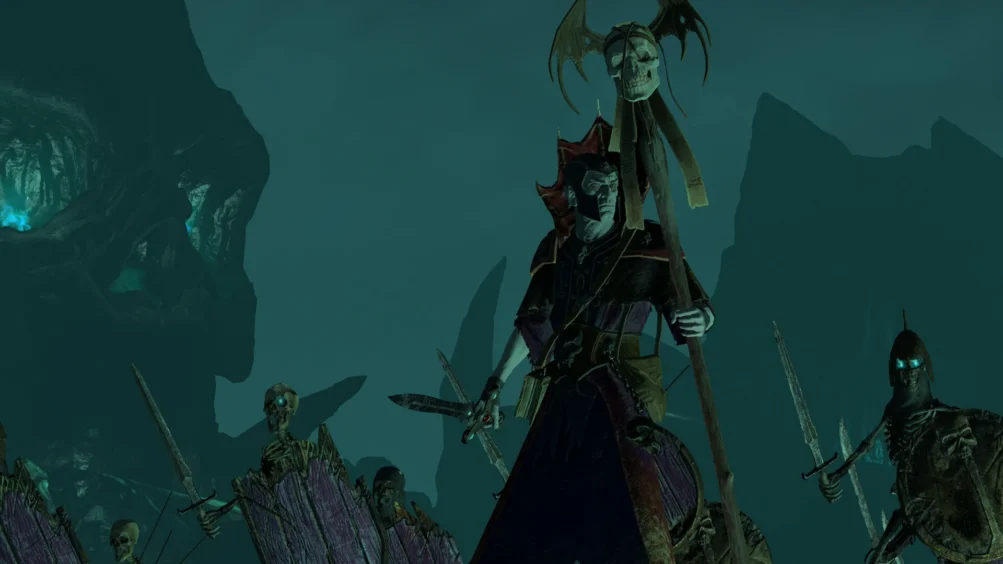
Let’s get this straight right away—Nagash is the reason so many people are buying this DLC.
Some characters in Warhammer lore are important. Others completely dominate every conversation they’re in, and Nagash is definitely in that second group. His arrival has been one of the community’s most-wanted for years, and there was always a risk expectations had grown so high nothing could really measure up.
After several hours playing his campaign? I don’t think that’s an issue here.
What hit me straight away was how different his campaign feels—this isn’t your typical “get bigger and stronger” strategy run. Most factions are trying to grow. Nagash feels like he’s trying to become inevitable.
It sounds dramatic, sure—but it fits him perfectly. Building necropolises, reinforcing the Black Pyramid, slowly spreading undeath across the whole map… every step feels like you’re building toward something huge. Even smaller battles feel like they’re part of a much bigger plan.
I found myself ignoring wars I’d normally jump straight into—because there were bigger, longer-term goals that mattered more.
That’s always a good sign.
The new Lore of Undeath gives him loads of options in battle, too, and being able to pull units from across the whole undead roster means you can put together some ridiculously fun armies. If you’ve ever wanted to field the kind of terrifying undead doomstack that’d make any sensible general hand in their resignation on the spot? This campaign lets you do exactly that.
And honestly? That’s exactly what I wanted from Nagash.

Thanquol Might Just Be My Favourite
As hyped as I was for Nagash, the biggest surprise ended up being Thanquol.
A lot of that’s just who he is—anyone who knows Warhammer knows he’s one of the most wonderfully chaotic disasters in the setting. Arrogant, ambitious, scheming… and somehow convinced every mess he’s in is actually part of his master plan. Even when it’s so obviously not.
Creative Assembly gets exactly why people love him, and built his whole campaign around that glorious chaos. His Masterplan system makes you think about expansion differently—instead of just marching armies at things and watching them blow up, you’re constantly setting schemes in motion and juggling goals. There’s a lot going on.
Maybe a little too much, sometimes. There were moments I felt like I was spending more time managing plans than actually moving troops around the map. But that feeling never lasted long—the campaign’s just too much fun.
What really works? The mechanics feel like him. That’s something games get wrong sometimes—systems that are interesting on their own but don’t actually fit the faction, so it all feels a bit fake. Thanquol never has that problem. Even when everything’s falling apart, it feels exactly right.
Which helps, y’know—he’s a Skaven. Things going spectacularly wrong is basically their whole brand.

Boris Finally Gets His Moment
I’ve always had a soft spot for the Empire. Partly because they feel familiar—partly because holding everything together while monsters, Chaos warriors, vampires and Beastmen try to tear your country apart never really gets old.
Boris Todbringer fits right into that style, but thank goodness—he’s not just Karl Franz with a new portrait. Focusing on rebuilding the Great Temple of Ulric gives him such a clear, satisfying path forward. You earn Fervour from victories, spend it on upgrades, and slowly make Middenland stronger.
It’s straightforward—but that’s not a bad thing. Not every faction needs five currencies and a brain-teaser of a resource system. Sometimes it’s so refreshing to just play a campaign where you know exactly what you’re working toward.
Plus, it’s great having a real, personal rival to focus on—his long-running feud with Khazrak One-Eye gives the campaign real drive. I love it when Total War gives characters actual history and grudges, instead of just dropping everyone on the map and hoping we make up the stories ourselves.
And the new Middenland units just make it better. The Teutogen Guard especially—they’re the kind of unit I found myself relying on way more than I needed to, y’know? Every player has those favourites you recruit no matter what, and these were dangerously close to becoming mine.
The Glottkin Are Exactly As Gross As They Should Be
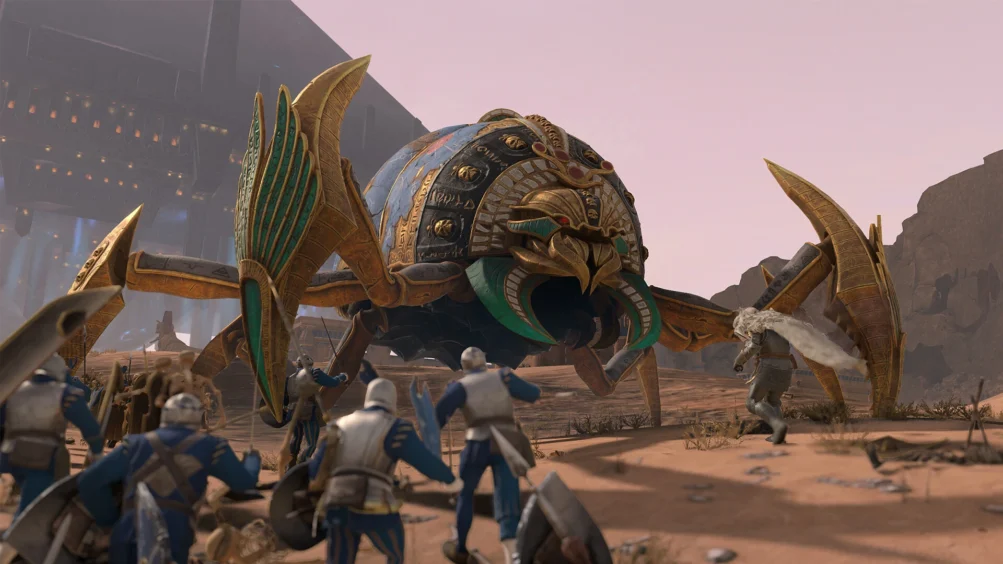
Warhammer was never subtle—and the Glottkin aren’t here to change that.
These three grotesque brothers bring something totally new to the table, and their campaign stuck with me just because everything about them feels so perfectly, disgustingly on-brand. Corruption, harvesting souls, spreading Nurgle’s influence… you’re not just taking land, you’re changing it. Watching corruption creep across the map? I felt a weirdly proud about it, and I’m not even sorry.
The Gardens of Corruption mechanic adds another layer, too—your influence grows and gives you better recruitment spots as you go. In battle? They’re absolute terrors. Marching a giant, disease-ridden monstrosity straight at the enemy and knowing they’re about to have the worst day ever? It’s brilliant. It’s not fancy, it’s not elegant—but then again, neither is Nurgle.
Don’t Sleep On The Free Update
One thing that never gets enough credit with these expansions is how much you get even if you don’t buy them. This isn’t just about paid content—Neferata’s here, Vampire Counts have been overhauled, Archaon’s had updates… and the new endgame scenarios are such a good addition. Late campaigns can sometimes get a bit predictable, right? These shake things up and keep you on your toes.
That’s always been the tricky part of Total War—early game is tense, mid-game is fun, but late game can turn into admin work with the odd battle thrown in. These new threats fix that, and they help everyone—whether you buy the DLC or not.
Immortal Empires Is Still The Star
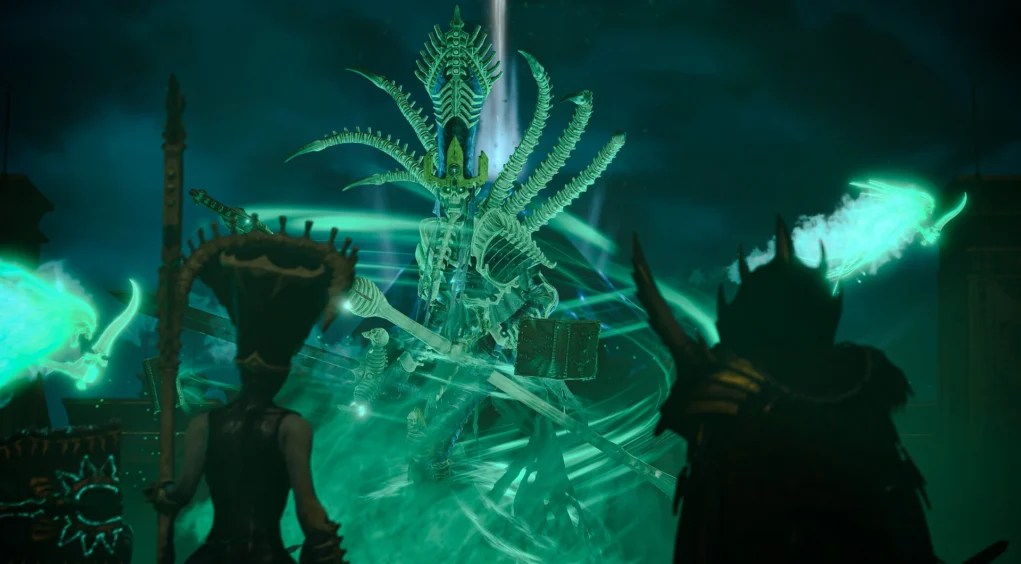
And the other big change? It’s easier than ever to jump into Immortal Empires. For new players, that’s probably more important than any single Legendary Lord.
Immortal Empires is still one of the best strategy sandboxes ever made. No two campaigns are the same—sometimes you’re the unstoppable conqueror, sometimes you’re clinging to your last city begging reinforcements arrive in time. And sometimes everything goes sideways because some faction on the other side of the globe suddenly decides they hate you for reasons you’ll never figure out.
That’s Total War. And making it easier for more people to play? Such a smart move.
Final Thoughts
Lords of the End Times works because it’s more than just a list of famous names. Nagash lives up to every bit of the hype. Thanquol’s campaign might just be the most fun in the whole pack. Boris gets the attention he’s deserved for years, and the Glottkin bring something totally different that rounds everything out perfectly.
Best of all? None of them feel like reskins of each other. After hundreds of hours with this game, that’s the highest praise I can give—every lord here has their own personality, their own goals, their own reason to exist.
Add in the free update and easier access to Immortal Empires, and this is easily one of the best content drops the game’s had. And most importantly? It did what every good Total War expansion does—I started another campaign. And before I knew it, my whole evening was gone.
Final Verdict:
A superb Warhammer expansion packed with major characters, fresh campaign ideas and meaningful changes to the wider game. Lords of the End Times gives Total War: WARHAMMER III another excellent reason to keep you coming back for one more turn.
Read more awesome reviews >>here<<.
The game was provided to us for the express purpose of reviewing.
Written by myself then edited and formed by my partner.
Reviewed and played on PC.
Review Summary
What is Total War: WARHAMMER III – Lords of the End Times?
Lords of the End Times is a major expansion for Total War: WARHAMMER III, adding four Legendary Lords: Nagash, Thanquol, Boris Todbringer and the Glottkin.
What does Lords of the End Times add?
The DLC adds four Legendary Lords and new campaign mechanics, while free Update 9.0 introduces End Times scenarios, revised victory conditions, a Vampire Counts rework and Neferata.
What are the problems?
The game retains its familiar strategy systems, can overwhelm newcomers and still has some balance and technical issues.
Is Lords of the End Times worth playing?
Yes. Its distinctive campaigns and the substantial free update make it a strong addition for fans of Total War: WARHAMMER III.
What score does Lords of the End Times get?
9/10