
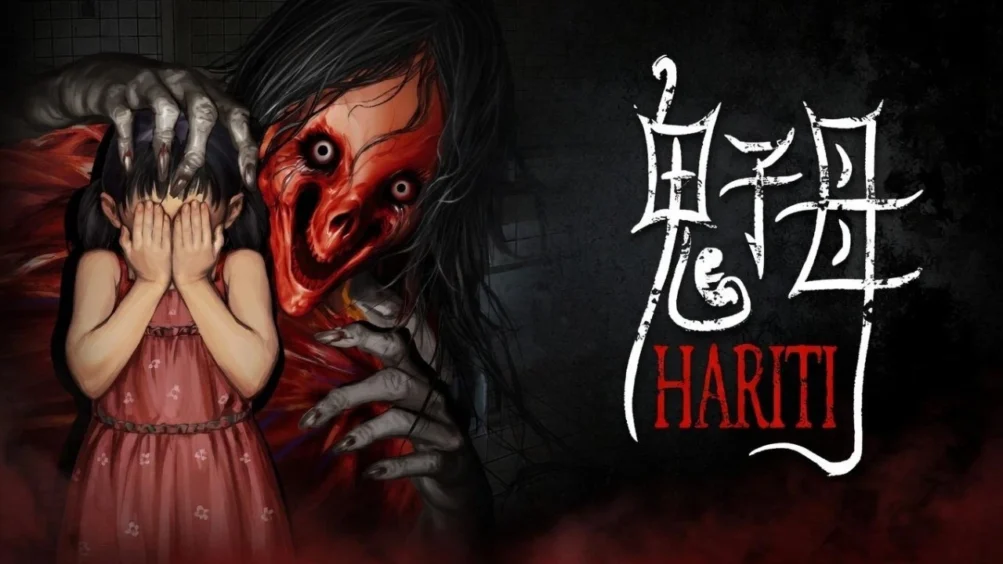
The indie horror scene has been absolutely on point lately, both in film and gaming. With titles such as Obsession, Iron Lung and Backrooms making waves on the big screen, while games like Shift at Midnight, Demonologist and Mole give horror fans plenty to sink their teeth into, there is certainly no shortage of things to talk about. So, when I stumbled across Hariti on TikTok, you can bet I wasn’t going to let this one slip by.
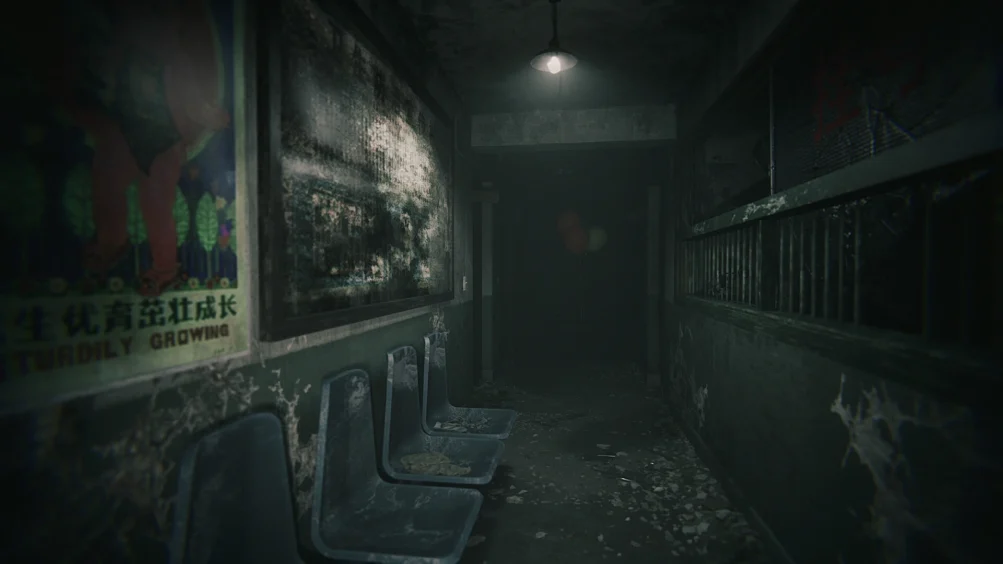
Setting a horror game in a hospital is an easy way to make me uncomfortable. I don’t particularly enjoy going to hospital in real life, but hospitals are, at least in theory, places associated with safety, treatment and people trying to make us better. Hariti takes that sense of security and tears it apart. The doctors, nurses and patients are gone. The comforting lights have been replaced by flickering bulbs, the corridors sit eerily empty, and everywhere you look is the suggestion that something has gone very, very wrong. And honestly? That’s exactly where the horror begins.
Hariti is a first-person psychological horror game from developer Ghostcase. You take on the role of a mother searching for her missing daughter in a mysterious hospital. What begins as a desperate search quickly becomes something far more sinister. Going into Hariti, I was expecting a fairly traditional indie horror experience, and while there are certainly elements here that will feel familiar to anyone who has spent time with the genre, I came away impressed by how effectively Ghostcase creates an uncomfortable atmosphere.
That isn’t to say the game doesn’t have its rough edges. There are moments where the experience feels a little unpolished, and some of the ideas introduced don’t quite reach the potential they initially suggest. Nevertheless, Hariti was a fun little horror game, and one I was glad to have had the opportunity to play.
A Mother’s Search
The main premise is that you play as a mother who is desperately searching for her missing daughter. You follow clues that lead you deeper into the hospital, giving you a clear reason to keep moving forward rather than staying in one location for too long. The emotional motivation of playing a mother searching for her daughter also helps create a deeper connection with the protagonist as you venture further into the hospital. I constantly had the feeling that something could be waiting around every corner.
The environment provides little pieces of information, clues and unsettling details that encourage you to explore and find collectibles that reveal more about the story. As I progressed, I started to wonder what I could actually trust, becoming more paranoid by the second. This psychological element is Hariti‘s strongest quality. Rather than relying on jump scares around every corner, the game creates tension through uncertainty, which can sometimes feel even scarier.
The Hospital Is the Star
Without a doubt, my favourite aspect of the game is its location. There is something about an abandoned medical facility that screams, “Get out while you still can.” The hospital has enough detail to make it feel like a real location while still maintaining the exaggerated and almost dreamlike qualities you’d expect from psychological horror. With the help of its Chinese-inspired setting, Hariti does stand apart from some of the countless Western-style haunted-house horror games we have seen over the years.
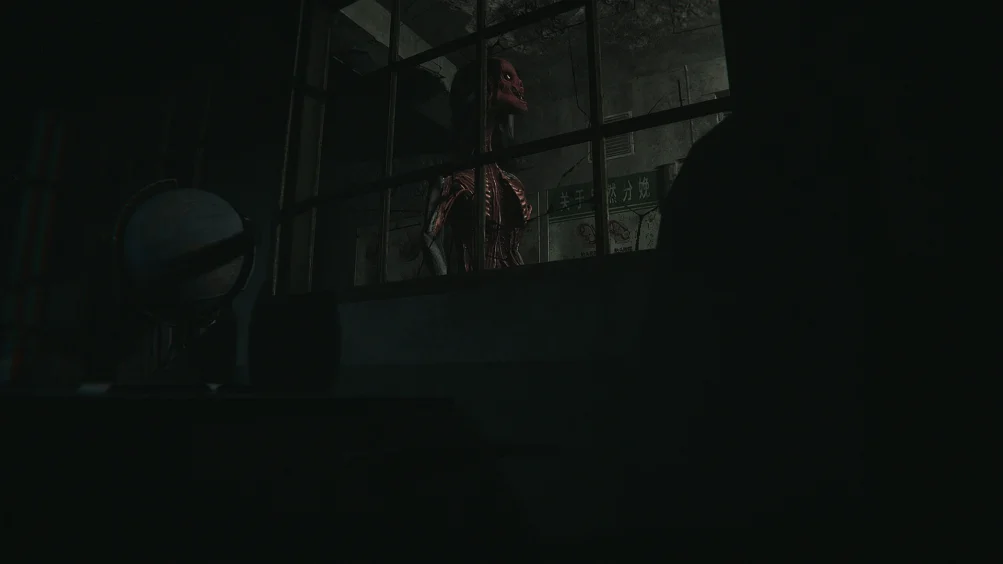
Ghostcase have clearly put a lot of effort into creating an atmosphere based around Chinese horror influences, and this gives the hospital a distinctive personality. The visual details and environmental touches help establish a real sense of place rather than making the game feel like another generic collection of dark corridors.
The lighting also plays a major role in creating tension. Walking through an empty hospital when you can’t see what might be waiting around the next corner is a simple trick, but it works. There were several occasions when I found myself slowing down simply because I wasn’t sure what I was about to encounter, which is a fantastic sign in a horror game.
When the Horror Works
A big takeaway for me was the atmosphere. Hariti understands that horror doesn’t necessarily mean throwing a jump scare at you every thirty seconds. Some of the most effective moments came from simply traversing the environment and knowing that something could happen at any minute. Horror wouldn’t be half as effective without good sound design either.
You’ll hear medical equipment, distant noises and the general emptiness of the hospital, all of which combine to make everything feel uncomfortable and isolated. I even made a point of wearing headphones, as this is the only way I like to play horror games. You can hear every footstep and distant noise, making it much easier to notice when something has changed or when you might not be alone anymore. Hariti isn’t completely opposed to the traditional horror jump scare, either.
There are certainly moments designed to make you jump, and some are more effective than others. There were times when the scares felt predictable, but there were also a good number that caught me completely off guard. It does fall into the familiar indie horror trap of using a loud noise or sudden appearance when the atmosphere it has created could have carried the scene on its own. That said, I do love a good jump scare when it’s done right.
The Monsters
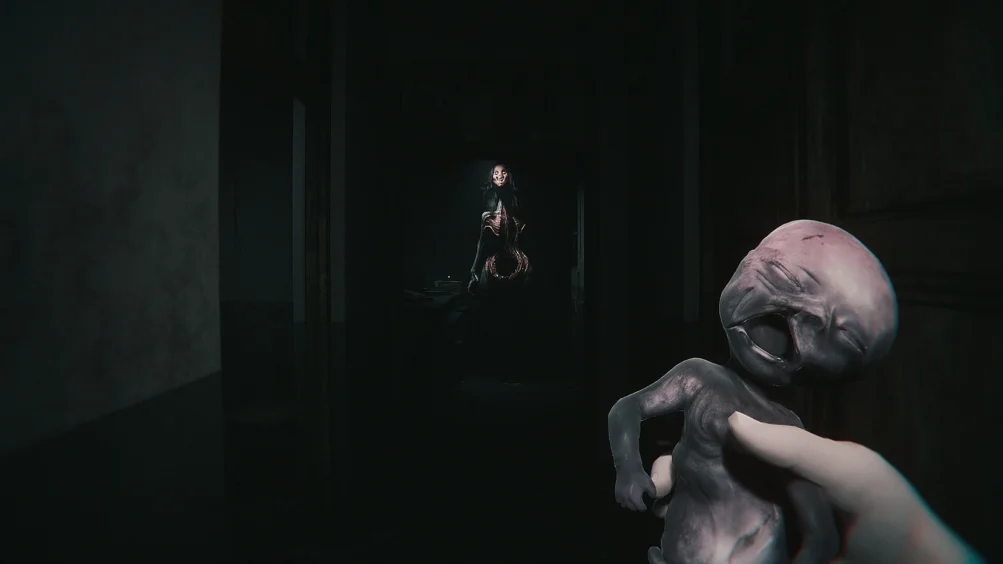
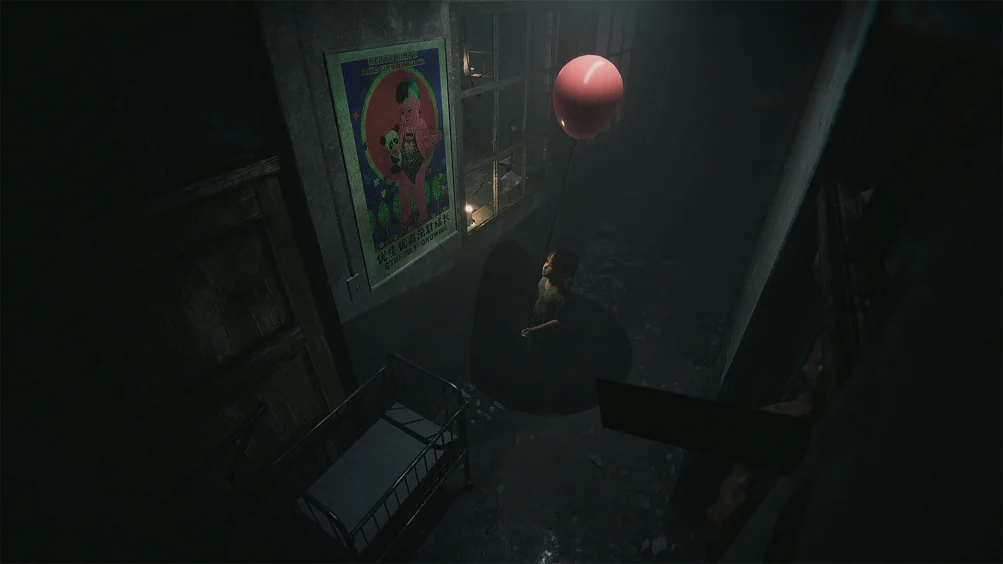
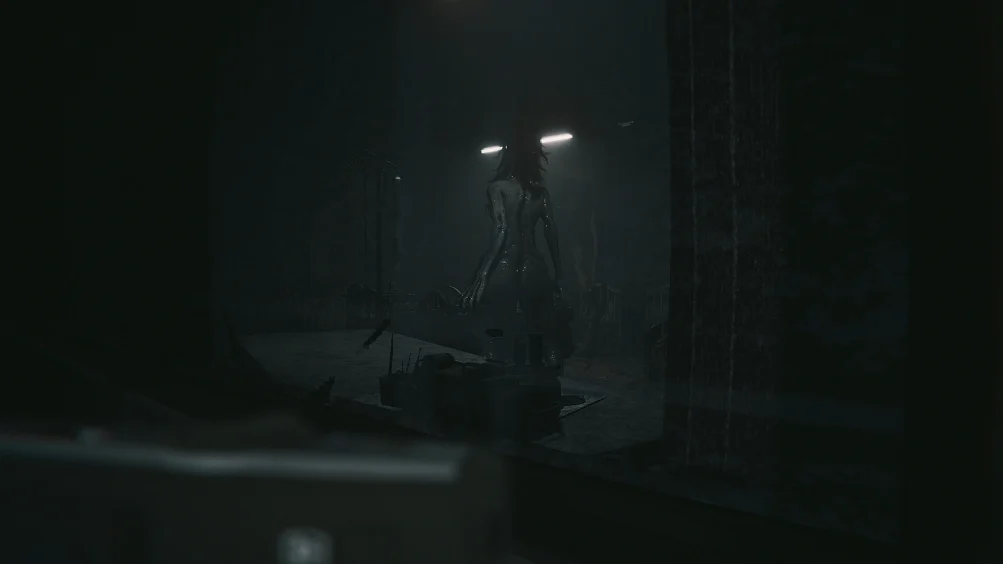
Hariti has a lot of potential when it comes to its creature design. The inspiration from ancient folklore is clear, and some of the creatures you encounter are genuinely unsettling, from floating foetuses to a mother-like creature that, when I first saw her, was absolutely terrifying. They don’t always look like the typical monsters you might expect to see in Western horror games, and there is something particularly effective about seeing an unnatural figure moving through an otherwise recognisable environment.
I do feel, though, that the creatures aren’t always used as effectively as they could be. Part of the appeal of psychological horror is the anticipation of seeing something rather than constantly having it in front of you. Hariti does throw its creatures at you a little too much at times, to the point where you become familiar with their behaviour, which can make encountering them less scary. I found myself wishing the game had pushed this aspect further and given us more uncertainty.
Making us second-guess whether we actually saw something, or simply hearing the sounds of something approaching without ever seeing it, could have been incredibly effective. These ingredients are definitely here; they just aren’t always mixed together perfectly.
Exploration and Puzzles
The exploration of the hospital forms a significant part of the experience, and this is another area where I had mixed feelings. Don’t get me wrong, the hospital provides a good environment for exploration, with plenty of corridors, rooms and areas to investigate. Looking for clues and working out where to go next helps maintain the feeling that you are actually following leads and, hopefully, getting closer to finding your daughter.
Rather than simply following a linear series of horror set pieces, Hariti also flips between the mother and the daughter, giving you a chilling perspective of what is happening throughout the hospital. However, there were moments where I wasn’t entirely sure what the game wanted me to do next. Being lost can be an effective part of horror, but there is a fine line between deliberately disorientating the player and simply leaving you wondering which corridor you are supposed to take.
The puzzles also feel like they could have benefited from a little more refinement. They aren’t necessarily bad, but they can feel more like obstacles placed between the player and the next story beat rather than genuinely satisfying problems to solve. This is another area where I think Hariti could improve.
Playing Hariti on PC
I enjoyed playing Hariti on PC. Visually, the game does a cracking job of creating the atmosphere it needs. It isn’t going to compete with the biggest AAA horror releases from a technical standpoint, but that isn’t really what Hariti needs to do. The atmosphere is far more important here than graphical fidelity, and thankfully, the game generally understands that.
Pairing the environment with its lighting and shadows does a lot of the heavy lifting when it comes to creating tension. That isn’t to say that every area feels equally polished, and there are occasions where the presentation reminds you that you’re playing an indie title. These aren’t necessarily deal-breakers, but they do prevent the game from feeling as consistently polished as it could be. For me, though, these imperfections were easier to overlook because the game was still managing to create the feeling it was aiming for.
Final Verdict
Hariti is an enjoyable psychological horror experience that doesn’t quite reach its full potential. Its hospital setting is atmospheric, its Chinese-inspired horror elements give it a distinctive identity, and the central premise of a mother searching for her missing daughter provides a strong emotional hook. When the game gets its balance of atmosphere, exploration and horror right, it can be genuinely unsettling.
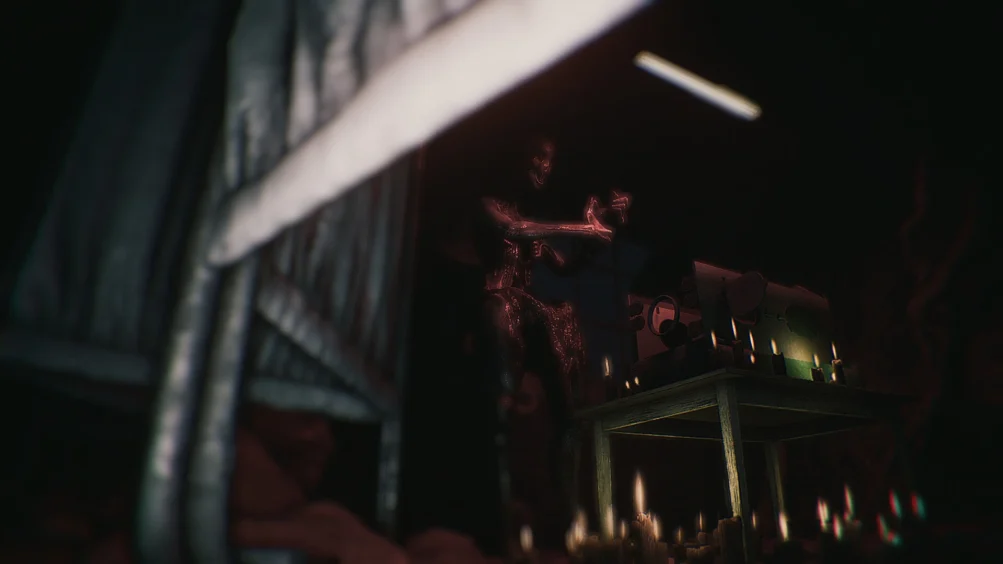
Unfortunately, the experience isn’t quite consistent enough to make it a must-play. Some of the scares feel familiar, the puzzles could be more satisfying, and the overall presentation occasionally shows the limitations of its indie development. There are also moments where I felt the game could have trusted its own atmosphere rather than relying on more conventional horror tricks. Still, I walked away from Hariti feeling that I had genuinely enjoyed myself, and that’s important.
If you’re a fan of psychological horror and enjoy exploring strange, unsettling environments, Hariti is certainly worth checking out. For these reasons, I’m giving Hariti a 6 out of 10. Despite the criticisms and the score, I don’t want it to give the impression that I didn’t enjoy the game. Hariti is a creepy, atmospheric horror game with some great ideas, and that’s what ultimately made it worth playing.
Hariti – Official Announcement Trailer
This review was based off a PC playthrough.
Read more awesome reviews >>here<<.
The game was provided to us for the express purpose of reviewing.



You must be logged in to post a comment.