
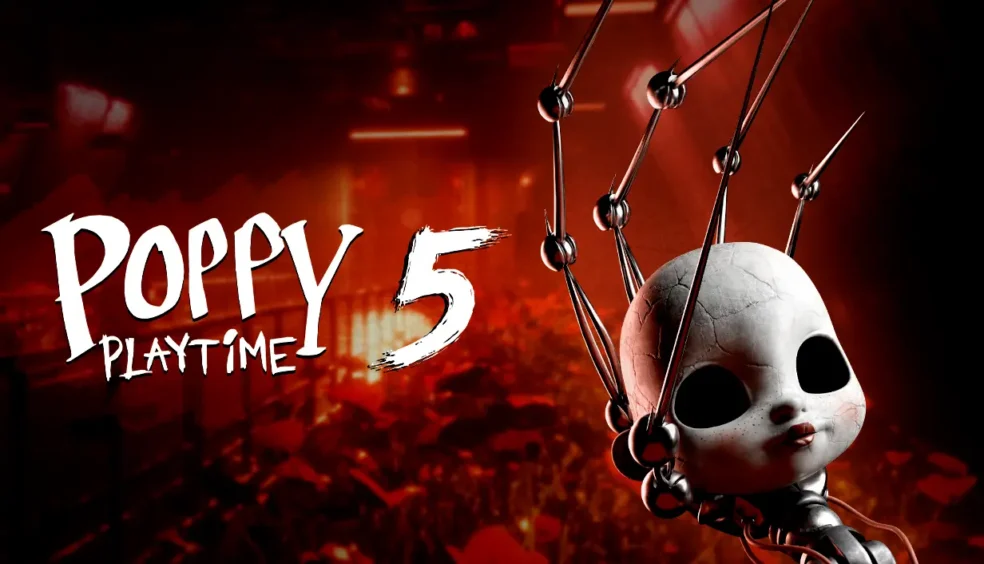
Poppy Playtime has always thrived on mystery. It’s a series built on half-revealed lore, viral moments, and that constant feeling that something is just out of sight. By the time Poppy Playtime Chapter 5: Broken Things lands on Xbox Series X|S, the story has long since moved past the “abandoned toy factory” idea and into something far more unsettling.
This chapter picks up right after Chapter 4, taking you even deeper into the underground sections of Playtime Co. The further you go, the more it feels like the place isn’t just abandoned anymore—it’s actively decaying around you, almost alive in its own broken way.
Story & Narrative Direction
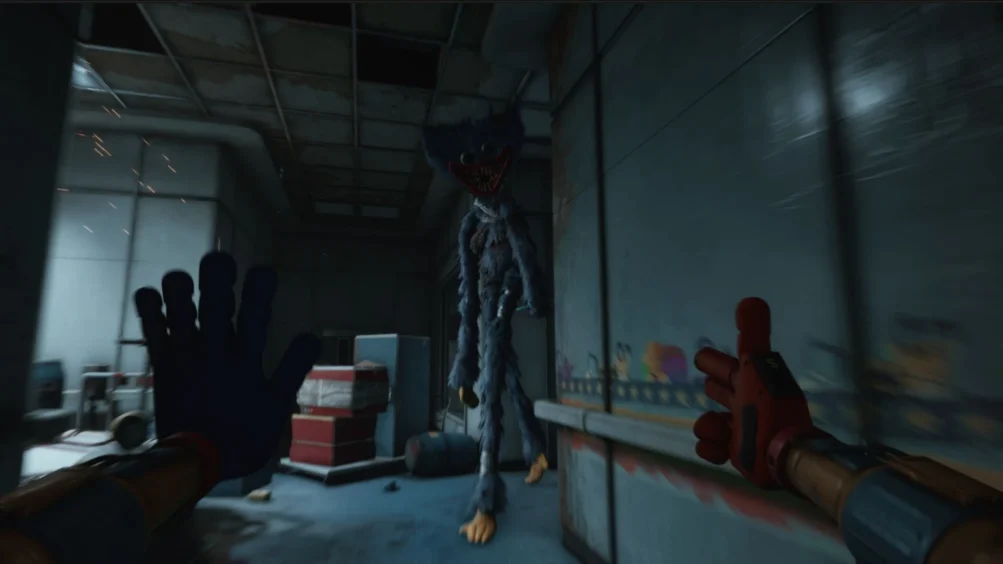
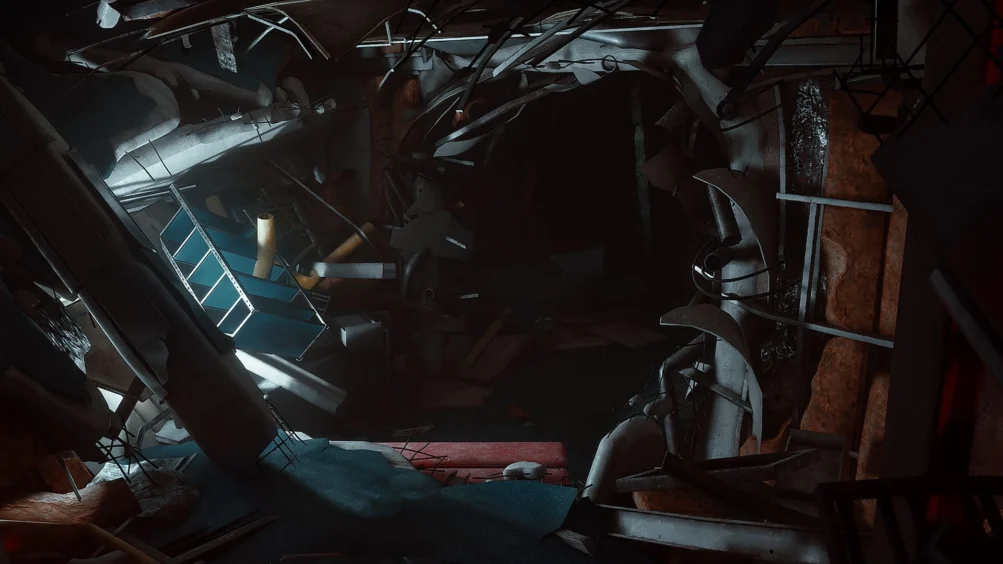
Right away, it’s clear the factory isn’t just a location anymore. It feels like an ecosystem that’s collapsing in real time, full of failed experiments and systems that should’ve shut down years ago but didn’t.
The Prototype still sits at the centre of everything. You never really see him in a straightforward way, but his influence is everywhere—machines behaving wrong, toys acting with strange intent, and environments that feel like they’re being steered from somewhere deeper in the structure.
What this chapter does differently is lean harder into the idea that the factory isn’t just haunted—it’s being managed, in a twisted sense.
New characters also come into play, including Lily Lovebraids, Giblet, and Chum Chompkins. They each feel like they belong to different parts of the same broken system. Some are hostile, some are helpful, and some… you’re never quite sure about.
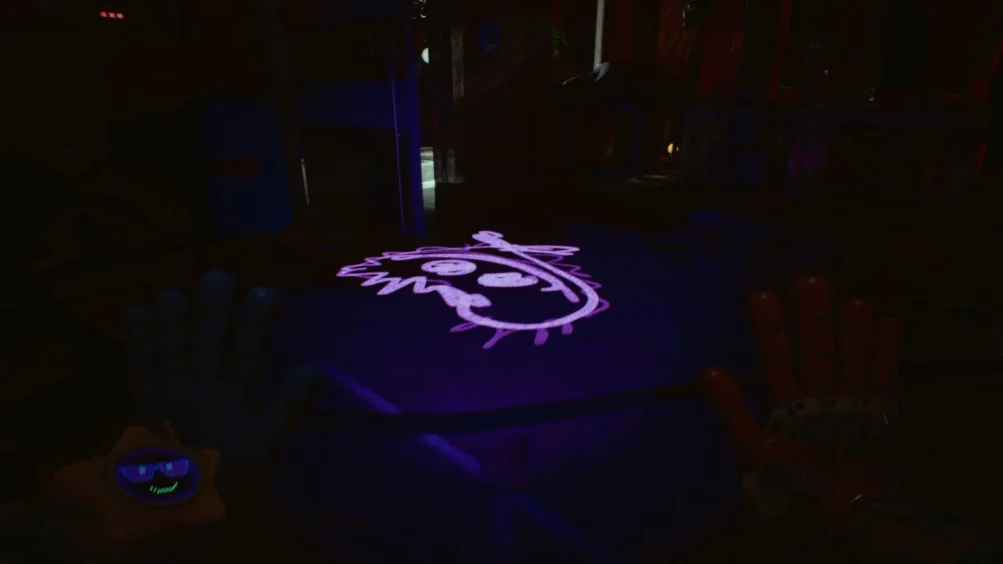
Lily Lovebraids is the most striking of the new additions. She’s not really about physical danger in the usual sense. Instead, her section leans into psychological pressure, especially in the “Sweet Street” dollhouse-style area, which feels completely disconnected from the rest of the industrial horror.
The storytelling remains deliberately fragmented. You’re still piecing things together through logs, environmental details, and short encounters rather than clear explanations. It works for the tone, but there are moments where it feels like it holds back a little too much.
By the end, you’re clearly being pushed toward something bigger with the Prototype, but don’t expect any real closure yet. That’s not what this series is doing.
Gameplay & Mechanics
If you’ve played the earlier chapters, you’ll recognise the loop instantly:
Explore, solve puzzles, survive a chase, repeat.
That structure is still here, but Poppy Playtime Chapter 5 does try to add more complexity to it.
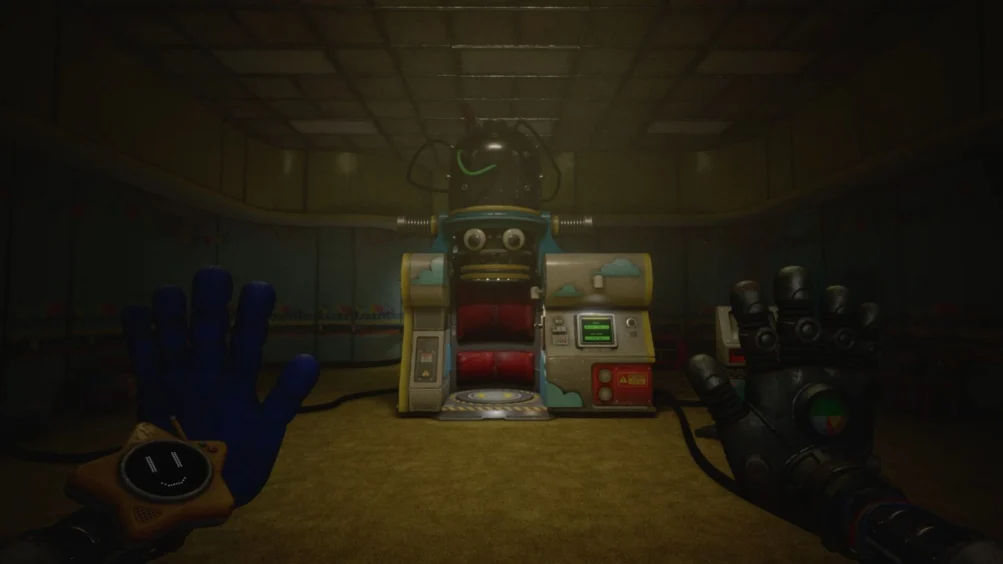
There are new GrabPack-style interactions and expanded environmental puzzles that require you to think across multiple rooms instead of solving everything in one space. You’ll often activate something in one area just to realise you need to backtrack or chain it with another system elsewhere.
It adds depth, but it also slows things down at points. Some sections start to feel like they’re stretching tasks a bit longer than they need to be, especially when you’re collecting multiple items just to unlock one progression step.
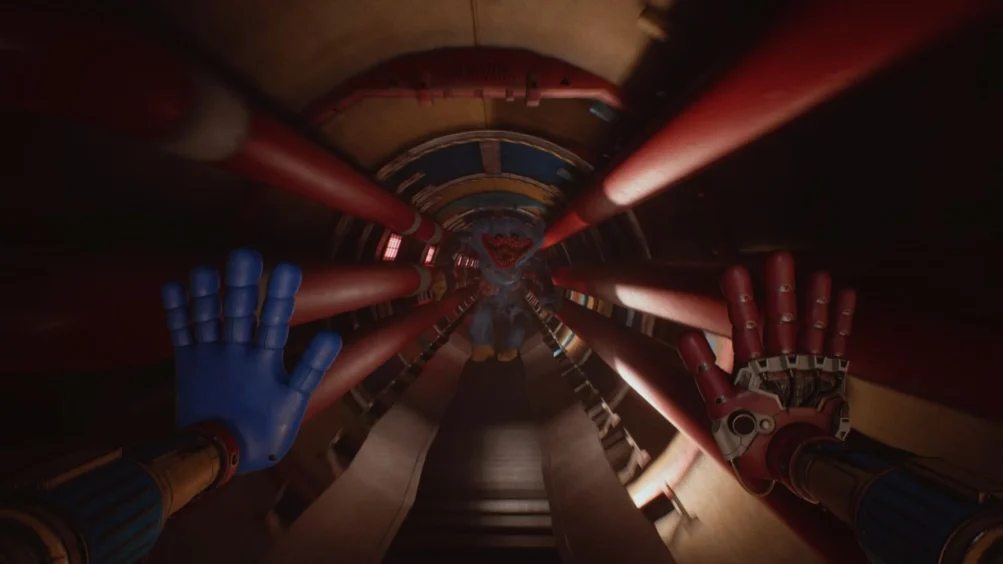
The chase sequences, though, are still a highlight. They’re tight, responsive, and on Xbox Series X|S they run smoothly enough that you don’t feel pulled out of the moment. When they work, they really work.
The downside is that the overall structure hasn’t changed much. By this point, you know exactly what the game is going to do next, and it rarely surprises you mechanically.
Horror & Atmosphere
This is where the game still holds its strongest ground.
The horror in Poppy Playtime Chapter 5 isn’t really about jump scares anymore. It’s more about pressure. Long corridors, flickering lights, distant mechanical sounds—you’re constantly waiting for something to go wrong, even when nothing is happening.
The factory itself feels more industrial and clinical this time around, almost like parts of it were medical facilities stitched into toy production areas. It’s a weird mix, but it works.
Sound design does a lot of heavy lifting here. You’ll hear metal shifting somewhere you can’t see, faint movement behind walls, or audio cues that make you second-guess whether you’re actually alone.
On Xbox, spatial audio makes this even more effective. It’s not always clear where threats are coming from, and that uncertainty keeps tension high even during quieter moments.

Performance on Xbox Series X|S
Performance is generally solid here. Compared to earlier chapters, everything feels more stable. Frame rates hold up well during exploration and chase scenes, and loading times are short enough that you’re rarely pulled out of the flow.
It’s not flawless though. You still get the occasional texture pop-in, and sometimes interactions feel slightly delayed when things get hectic. Nothing major, but noticeable if you’re paying attention.
Overall though, it’s a smoother experience than what the series has delivered before.
Characters & World Building
The world expands in interesting ways here, even if the Prototype still dominates the overall direction.
Giblet and Chum Chompkins feel like they exist in the margins of the factory’s collapse. They’re not straightforward allies, and they’re not exactly enemies either. They sit somewhere in between, which actually makes them more interesting than if they were clearly defined.
Lily Lovebraids, as mentioned earlier, stands out the most. Her sections feel more experimental, almost like the game is trying different types of horror rather than sticking to one tone. That change of pace helps the chapter feel less repetitive.
There’s also a sense that the world is becoming more self-aware in a way. Not literally, but structurally—the factory feels like it’s reacting more to your presence than in previous chapters.
Final Thoughts
Poppy Playtime Chapter 5 Broken Things is a strong entry in the series, even if it doesn’t really break away from what came before it.
The atmosphere is excellent, the sound design is top-tier, and the world-building continues to be intriguing if you’re invested in the mystery. Performance on Xbox is also the best it’s been so far.
But the core gameplay loop is starting to show its age. You’re still doing variations of the same puzzle-and-chase rhythm, and while it’s polished, it doesn’t evolve in a meaningful way here.
Poppy Playtime Chapter 5 Broken Things is a good chapter overall—sometimes even really effective—but it feels like it’s still building toward something rather than delivering it.
Poppy Playtime Chapter 5 Trailer
Read more awesome reviews >>here<<.
The game was provided to us for the express purpose of reviewing.
Written by myself then edited and formed by my partner.
Reviewed on Xbox Series X/S.



You must be logged in to post a comment.